






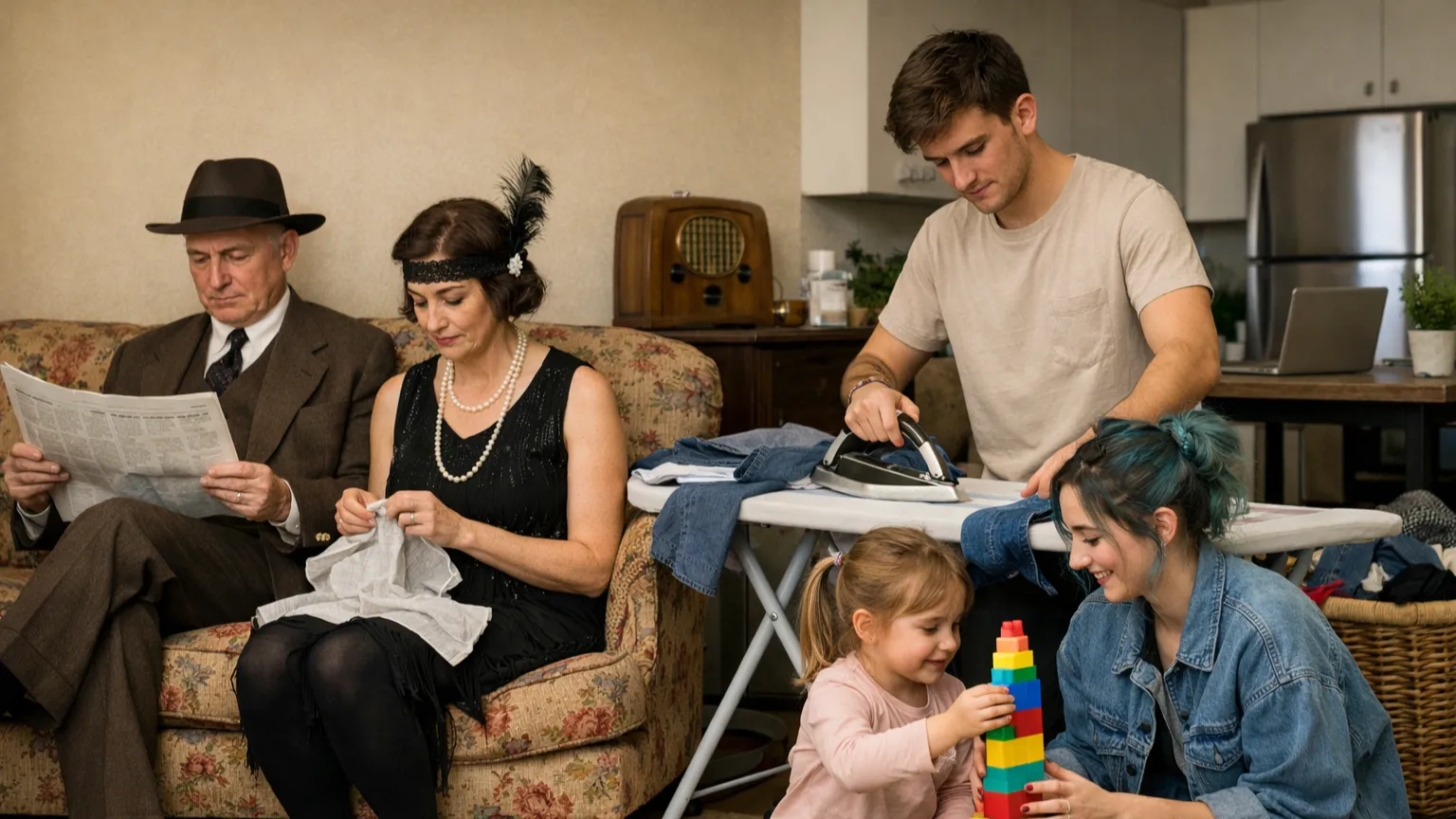
The way we define ourselves and our roles within society has never been static. If we look back through the lens of history, we see a tapestry of shifting expectations that reflect the economic, political, and social climate of each era. The evolution of gender roles is not just a dry academic subject; it is the story of how we navigate our relationships, our careers, and our very identities. By understanding where we started, we can better appreciate the fluid and diverse landscape of the modern world.
Defining the Evolution of Gender Roles
To understand the evolution of gender roles, we must first define what these roles represent. Essentially, gender roles are a set of societal norms dictating the types of behaviors which are generally considered acceptable, appropriate, or desirable for people based on their actual or perceived sex. These expectations influence everything from the toys we play with as children to the careers we pursue as adults. Throughout history, these roles have transitioned from rigid, binary structures toward more flexible and individualized expressions of self.
Historical Context: Gender Roles in the 1920s
The 1920s serves as a fascinating starting point for observing the evolution of gender roles. Following the upheaval of World War I, society attempted to return to “normalcy,” which often meant reinforcing traditional domestic responsibilities for women. For the majority, the home remained the primary domain, where women were expected to manage the household and nurture the family. Conversely, the role of financial provision fell almost exclusively on men, creating a stark divide between the private and public spheres.
However, the “Roaring Twenties” also planted the seeds of rebellion. This era saw the emergence of the “Flapper”—young women who challenged social norms by bobbing their hair, wearing shorter skirts, and frequenting jazz clubs. Despite this cultural shift, political agency remained restricted, and rigid workplace segregation ensured that women had few paths to financial independence. Traditional marriage remained the ultimate expectation, yet the Flapper archetype proved that the status quo was beginning to crack.
Foundational Framework: The 4 Primary Gender Roles
To analyze how these roles function, sociologists often look at four primary pillars that define gendered expectations. The first involves personality traits. Historically, women have been encouraged to be emotional and nurturing, while men were pushed toward being assertive and self-reliant. These internal blueprints guide how individuals interact with the world from a very young age.
The second and third pillars are domestic behaviors and occupations. We see this in the lingering assumption that childcare is a “maternal” instinct, while home maintenance is a “masculine” duty. Similarly, certain career paths, such as nursing or early childhood education, are often coded as feminine, while engineering and construction are coded as masculine. The final pillar is physical appearance, encompassing everything from clothing and grooming to body language, which serves as a visual shorthand for gender identity in many cultures.
Practical Applications: 5 Common Examples of the Evolution of Gender Roles
While society is changing, many traditional examples of the evolution of gender roles still manifest in our daily lives. These examples highlight the persistent nature of social programming:
-
Women as Primary Caregivers: Even in dual-income households, women often shoulder the “mental load” of managing doctor appointments, school schedules, and emotional support for children.
-
Men as Breadwinners: The societal pressure for men to be the primary financial engine of the family remains a significant source of stress and identity for many.
-
Gendered Toy Marketing: Walk through any department store and you’ll see a clear divide: pink aisles filled with dolls and kitchen sets versus blue aisles stocked with trucks and building blocks.
-
Domestic Chore Division: Labor is often divided along gendered lines, such as men handling outdoor maintenance and women managing indoor cleaning and meal preparation.
-
Emotional Expression Standards: There is a long-standing “stoicism” expected of men, while women are often permitted—or expected—to be more overtly emotional and communicative.
Modern Shifts: Characteristics of Gen Z Men
As we move into the current decade, Generation Z is leading a profound shift in the evolution of gender roles. Gen Z men, in particular, are increasingly rejecting the restrictive boundaries of “toxic masculinity.” Instead of viewing vulnerability as a weakness, many prioritize mental health and emotional intelligence as core components of strength. This shift is creating a more empathetic generation that values authentic connection over traditional dominance.
This evolution is also visible in aesthetic and lifestyle choices. We see a rise in fluid fashion choices, where clothing is viewed as a form of self-expression rather than a gender marker. In the home, there is a growing emphasis on shared household labor, with young men actively seeking equal partnership in domestic duties. Furthermore, as digital natives, their social interactions are often “digital-first,” allowing for the exploration of identity in online spaces where physical gender markers may be less central than shared interests and values.
The evolution of gender roles is a testament to human adaptability. We have moved from the rigid, segregated expectations of the 1920s to a more nuanced and inclusive understanding of identity in the modern era. While traditional structures still exist, the growing acceptance of diverse roles allows individuals to live more authentically. By continuing to challenge limiting stereotypes and embracing empathy, we create a society where everyone—regardless of gender—has the freedom to define their own path.






No Response