






Caring for an aging loved one is one of the most profound acts of love a person can perform, yet it is also one of the most taxing. Whether you are helping a parent navigate the complexities of dementia or assisting a spouse with physical mobility, the role of a caregiver often becomes a 24/7 commitment. In the midst of these demands, elderly caregiver self-care often falls by the wayside, replaced by a dangerous misconception that “selfless” must mean “neglectful of oneself.” In reality, providing high-quality support is impossible if the person behind the care is crumbling under the weight of chronic stress.
Prioritizing your own well-being is not a luxury or a weekend indulgence; it is a fundamental clinical necessity. When we discuss personal wellness in this context, we aren’t just talking about bubble baths or occasional naps. We are addressing a strategic framework designed to prevent burnout, preserve your mental health, and ensure that your elderly loved one receives the patient, compassionate care they deserve. This guide explores why we tend to ignore our own needs and practical ways to rebuild your resilience.
Why Self-Care is Often Ignored by Caregivers
If the benefits of staying healthy are so obvious, why do so many caregivers find themselves at the end of their rope before asking for help? For most, the primary barrier is a deeply rooted sense of misplaced guilt. You might feel that every minute spent at the gym or grabbing coffee with a friend is a minute stolen from your loved one. This “martyr complex” is a fast track to physical and emotional collapse.
Beyond psychological hurdles, there are practical obstacles like financial constraints and a lack of awareness regarding communal resources. Many individuals simply don’t know that respite services exist or believe they cannot afford them. They view their health as secondary, assuming that as long as the senior’s prescriptions are filled, everything is fine. However, neglecting your health creates a fragile environment where one minor illness on your part can send the entire household into a crisis.
Common Signs of Caregiver Burnout
Burnout doesn’t happen overnight; it’s a slow erosion of your patience and energy. It often starts with persistent feelings of extreme fatigue that a good night’s sleep can’t fix. You might notice that your “fuse” has become much shorter—you find yourself snapping at the person you’re caring for over small things, leading to immediate waves of regret.
Other red flags include a total withdrawal from social circles. If you find yourself declining every invitation because it feels like too much effort to engage, you are likely in the danger zone. Changes in your own appetite or sleep patterns—either sleeping too much or suffering from insomnia—are physical signals from your nervous system that the load has become too heavy.
Essential Mental Health Support Systems
No one is meant to carry the burden of senior care alone. One of the most effective ways to protect your mental health is by joining a support network. There is an incredible healing power in talking to people who truly understand the frustration of repetitive questions or the heartbreak of physical decline without you having to explain yourself.
Professional psychological counseling is another vital tool. A therapist can help you process the complicated emotions of grief and resentment that often accompany long-term caregiving. Furthermore, don’t overlook community respite care services. These programs allow a professional to step in for a few hours, giving you the space to breathe and reset. Delegating is not a sign of weakness; it is a management skill.
Integrating Elderly Caregiver Self-Care into Daily Life
You don’t need a three-week vacation to start feeling better; you need consistent, micro-habits that protect your energy. Maintaining a balanced, nutritious diet is your first line of defense. When we are stressed, we often reach for sugar and caffeine, which only leads to energy crashes. Fueling your body properly keeps your mood stable and your immune system strong.
The Role of Physical Activity and Boundaries
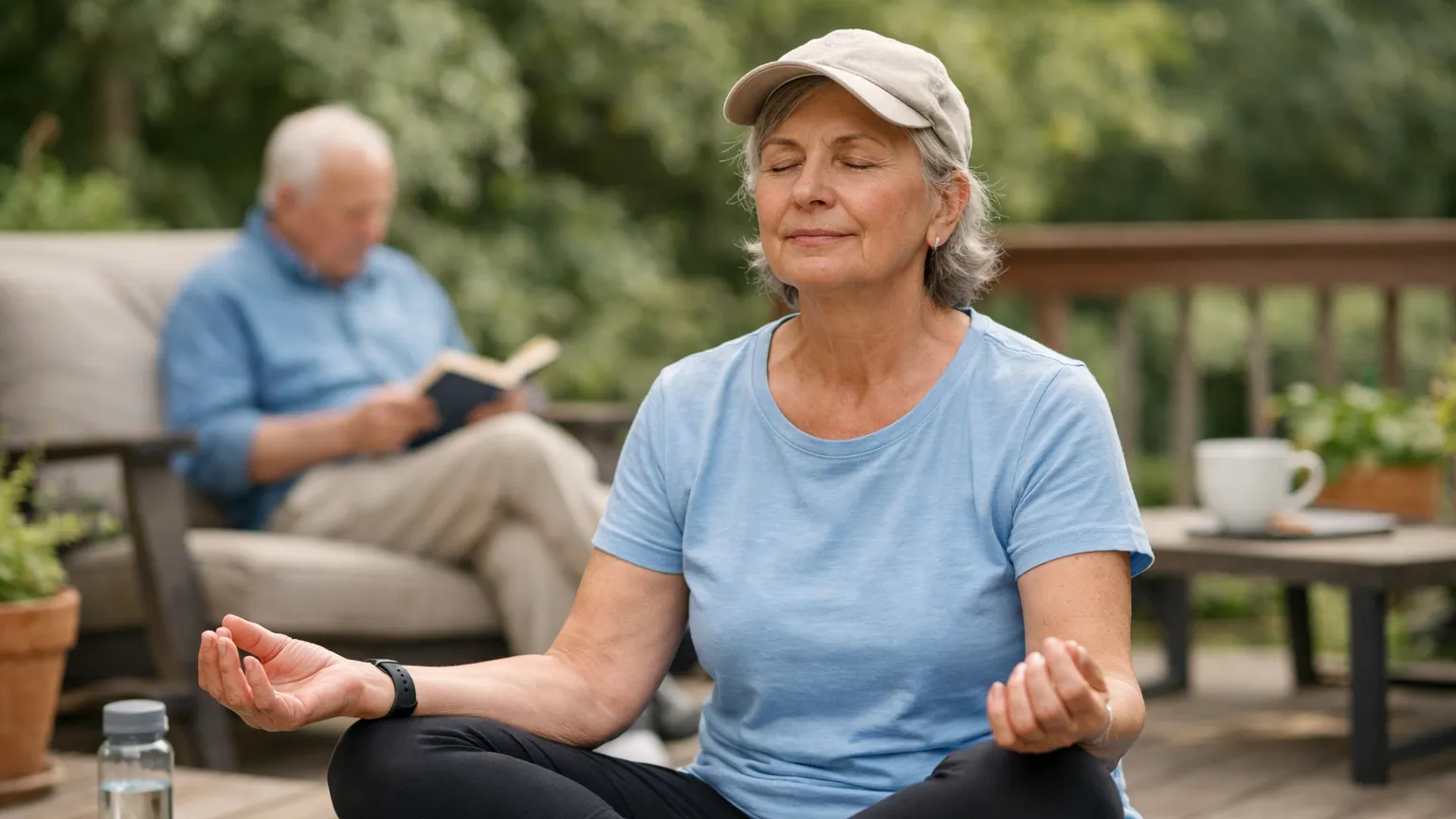
Physical movement is equally crucial for elderly caregiver self-care. Even a 15-minute daily walk or some light stretching can significantly lower cortisol levels. Complement this with mindfulness or deep breathing exercises; taking five minutes to sit in silence can “reset” your nervous system during a chaotic day. Perhaps most importantly, you must set clear personal boundaries. It is okay to say “no” to extra commitments to protect your limited bandwidth.
Impact of Neglecting Self-Care on the Elderly
It is a hard truth to swallow, but neglecting yourself directly impacts the person you are trying to help. When a caregiver is burnt out, the risk of unintentional neglect or irritability increases. Your patience wears thin, which can lead to a cold or clinical tone that damages the emotional bond between you and the senior.
Furthermore, a fatigued brain is prone to mistakes. Medication administration errors or missing subtle signs of a new medical issue are much more likely when the caregiver is operating on four hours of sleep. By prioritizing your wellbeing, you are creating a safer, more loving environment for your elderly family member.
Long-term Benefits of Prioritizing Wellbeing
When you commit to a consistent elderly caregiver self-care strategy, the long-term rewards are profound. You gain a sustained ability to provide care over the years rather than burning out in months. Your overall life satisfaction improves because you still maintain an identity outside of your caregiving duties.
Ultimately, self-care allows you to approach your responsibilities from a place of abundance rather than depletion. You become a more compassionate, alert, and effective advocate, ensuring that the final chapters of your loved one’s life are defined by quality time rather than mutual exhaustion.
If you’ve been waiting for “permission” to take care of yourself, this is it. Your health is the foundation upon which your loved one’s care is built. Start small today—perhaps with a ten-minute walk or a phone call to a friend—and remember that by being kind to yourself, you are becoming a better caregiver for them.



No Response