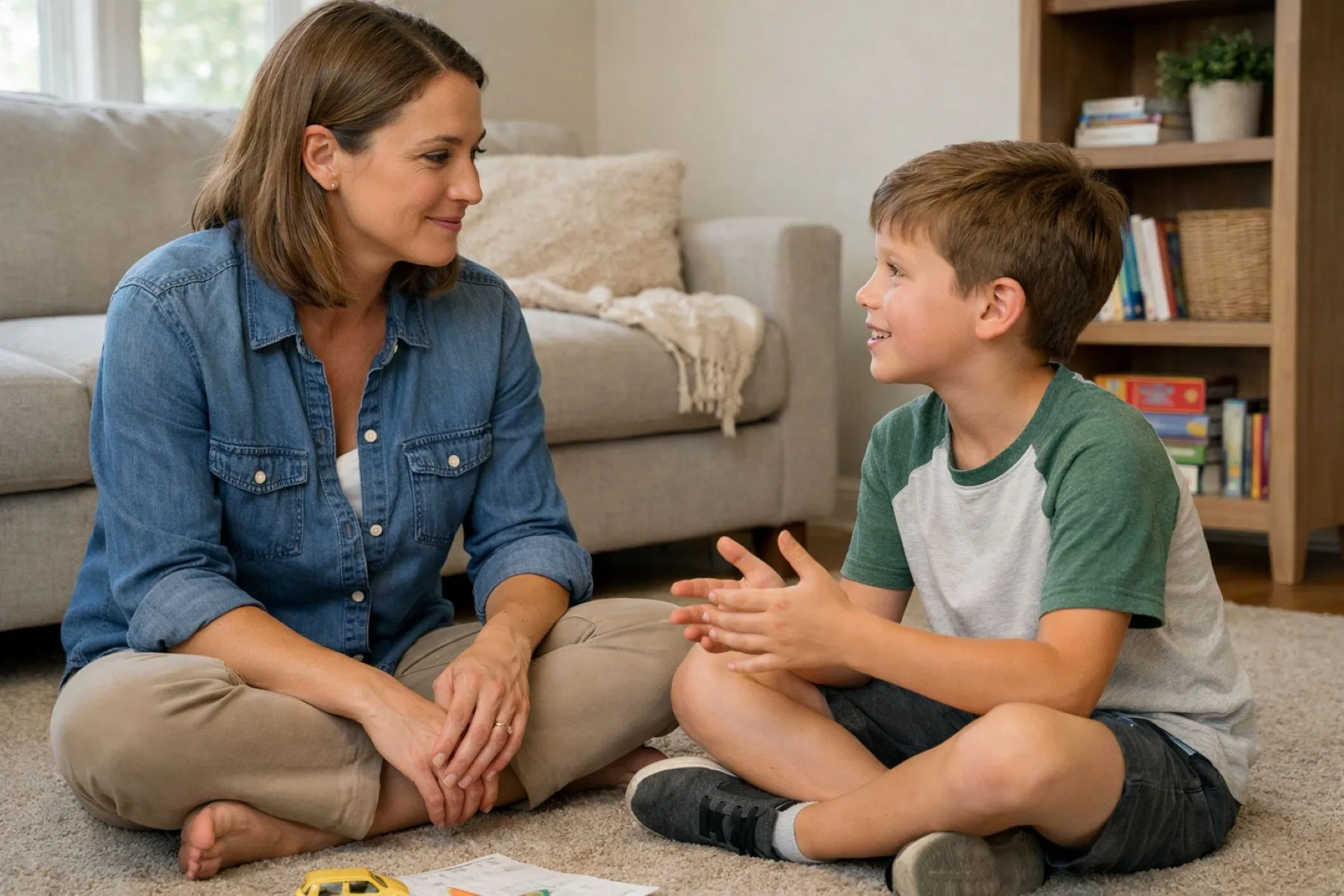
Parenting is often described as one of the most rewarding journeys a person can take, yet it frequently feels like a complex puzzle with missing pieces. For many years, the standard approach to raising children relied heavily on a top-down power dynamic where respect was demanded rather than earned. Modern families, however, are shifting toward a more sustainable and deeply connected approach by implementing respectful parenting techniques. By focusing on mutual trust and understanding, we can foster a household environment where children choose to be respectful because they feel valued, not because they are afraid of the consequences.
Understanding the Essence of Respectful Parenting Techniques
Before exploring how to implement these ideas, it is helpful to define what respectful parenting techniques actually entail. At its core, this philosophy treats children as whole human beings who deserve the same level of courtesy and dignity as adults. It is not about being permissive or avoiding rules; rather, it is about leading with empathy and clear communication. This method seeks to understand the “why” behind a child’s behavior, viewing challenges as opportunities for teaching rather than moments for punishment. By shifting our perspective, we move from being a commander to being a mentor.
Model Consistent Respectful Behavior
The most powerful tool in any parent’s kit is their own behavior. Children are exceptional observers, often ignoring what we say while meticulously cataloging what we do. If we want our children to speak kindly, we must ensure they hear us speaking kindly to them, to our partners, and even to the person behind the service counter.
Modeling respect means showing up with the same patience we expect from them. When we make a mistake—perhaps by losing our temper or jumping to a conclusion—apologizing to our child is a profound act of modeling. It demonstrates that respect is a two-way street and that everyone, regardless of age, is responsible for their actions.
Listen Without Immediate Judgment
When a child comes to us with a problem or a story, our instinct is often to “fix” it or offer a lecture on how they could have done better. However, true connection begins with listening. By offering our full presence and refraining from immediate judgment, we create a safe harbor for our children to express their thoughts.
This type of active listening signals to a child that their perspective matters. When they feel heard, their biological “fight or flight” response tends to settle, making them much more receptive to guidance later on. Instead of interrupting with a correction, try simply nodding or saying, “Tell me more about that.” This small shift creates the space needed for a child to develop their own critical thinking skills.
Establish Clear Healthy Boundaries via Respectful Parenting Techniques
A common misconception is that being a respectful parent means having no rules. In reality, respectful parenting techniques rely heavily on firm, healthy boundaries. Children actually feel more secure when they know exactly where the “fence” is located. The difference lies in how those boundaries are communicated and enforced.
Rather than using arbitrary or harsh “because I said so” logic, explain the reasoning behind a rule in a way that relates to safety or community well-being. For example, instead of demanding they stop running, you might explain that we walk inside to keep our bodies and our furniture safe. When boundaries are consistent and predictable, children learn to respect them because they understand the logic behind them, not because they fear a random outburst.
Validate Their Emotional Experiences
For a young child, a broken crayon or a lost toy can feel like the end of the world. While these issues seem small to adults, the emotions behind them are very real. Validating a child’s feelings means acknowledging their emotional state without necessarily agreeing with their behavior.
You might say, “I can see you are really frustrated that we have to leave the park. It’s hard to stop playing when you’re having fun.” This simple acknowledgement bridges the gap between parent and child. It tells them that you are on their side, even when the answer is still “no.” When children feel that their inner world is understood, they are far less likely to resort to “big” behaviors to get your attention.
Offer Age-Appropriate Choices Regularly
Power struggles often arise when children feel they have no control over their lives. By offering age-appropriate choices, we give them a sense of agency and teach them how to handle responsibility. This could be as simple as asking, “Would you like to wear the blue shirt or the green one today?” or “Should we brush teeth before or after we read a book?”
These small choices act as “practice rounds” for bigger decisions later in life. It fosters a sense of independence and cooperation because the child feels like an active participant in their daily routine rather than a passive recipient of orders. Over time, this autonomy builds a deep sense of self-respect, which naturally extends to others.
Practice Calm Communication Methods
The tone of our voice often carries more weight than the words we choose. High-stress situations frequently trigger a raised voice, but this usually causes a child to shut down or mirror the aggression. Practicing calm communication involves taking a breath and lowering our volume when things get heated.
Speaking at eye level and using “I” statements—such as “I feel worried when I see jumping on the sofa because I don’t want you to get hurt”—encourages a dialogue rather than a confrontation. Calmness is contagious. When we stay grounded, we provide a stabilizing force that allows the child to regain their own composure, leading to a much more respectful resolution for everyone involved.
Reward Positive Social Interactions
Finally, it is essential to notice when things are going well. Often, we are so focused on correcting “bad” behavior that we forget to acknowledge the “good.” Instead of traditional “bribes,” try using descriptive praise to reward positive social interactions.
When you see your child sharing or using a gentle voice, mention it specifically: “I noticed how you waited for your turn with that toy; that was very patient of you.” This reinforces their identity as a kind and respectful person. Positive reinforcement builds confidence and makes the child want to repeat those behaviors because they feel good about themselves, creating a lasting cycle of natural respect.
Adopting respectful parenting techniques is a long-term investment in the relationship you have with your child. It requires patience and a willingness to look inward at our own reactions, but the results are well worth the effort. By prioritizing empathy, clear boundaries, and calm communication, we do more than just manage behavior; we raise individuals who are compassionate, self-aware, and genuinely respectful of the world around them. In the end, the goal isn’t just to have an obedient child today, but to build a foundation of trust that will last a lifetime.