






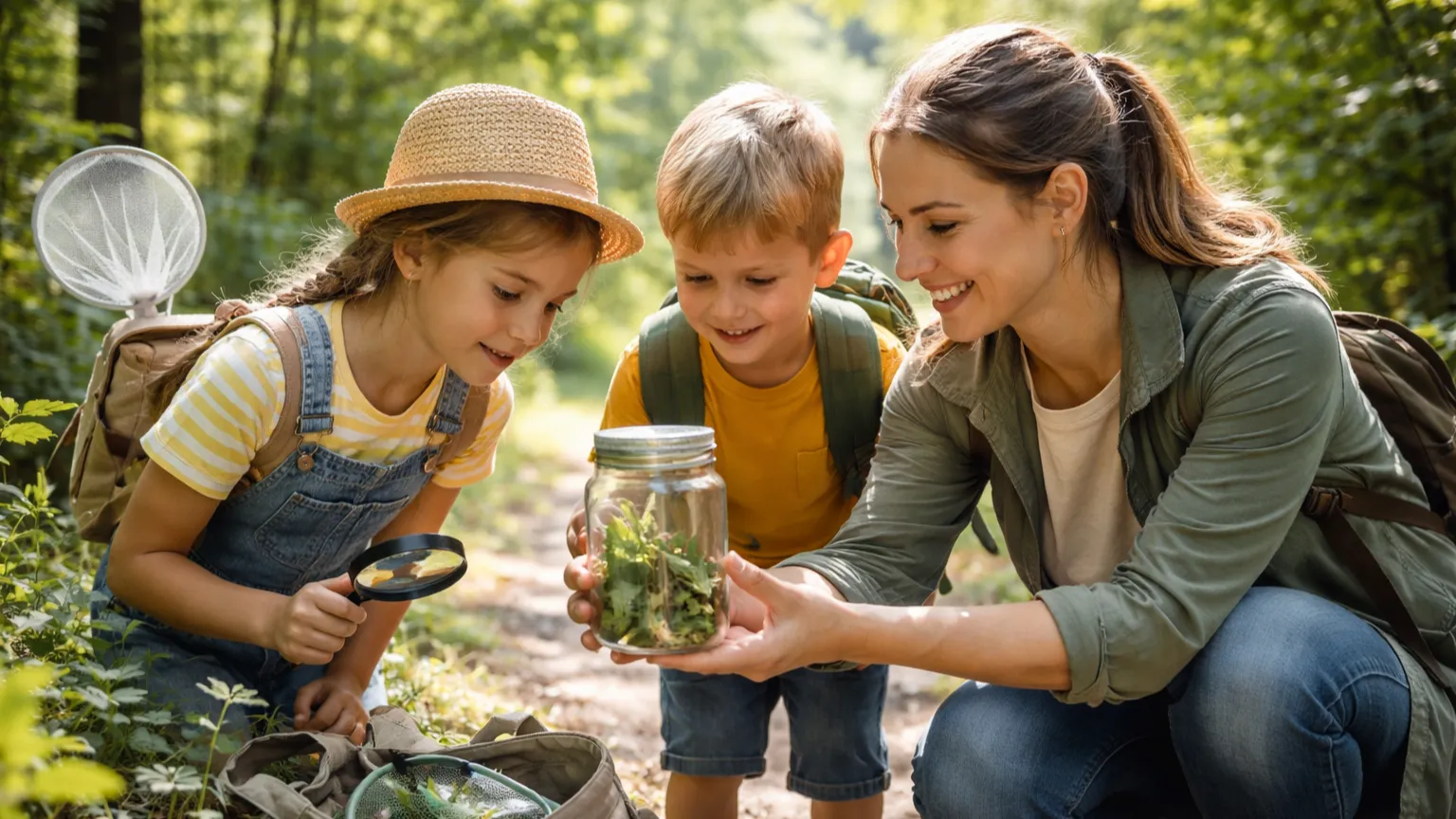
In a world increasingly dominated by glowing rectangles and high-speed internet, the “great outdoors” often feels like a secondary setting rather than a primary classroom. Yet, there is a profound magic that happens when a child trades a touchscreen for a handful of soil or the texture of oak bark. Engaging in nature-based activities for kids isn’t just a trendy alternative to screen time; it is a fundamental return to how the human brain was designed to learn. By stepping outside, we aren’t just “taking a break”—we are participating in a multi-sensory experience that fuels curiosity and builds a lifelong bond between parent and child.
If you have noticed your little ones feeling more irritable after a long session of gaming or find that “boredom” has become their default setting, you are not alone. Modern childhood is facing a “nature deficit” that impacts everything from attention spans to emotional regulation. The good news? The remedy is right outside your front door. This guide explores how embracing nature-based activities for kids can sharpen cognitive focus, reduce family stress, and turn your weekends into a laboratory of wonder. By the end of this article, you’ll have a roadmap to transform your local park or even your own backyard into a hub of growth and adventure.
The Profound Benefits of Learning Beyond the Screen
Before we dive into the “how,” it is essential to understand the “why.” Why is dirt better than a digital app? The primary benefit lies in enhanced cognitive development. When a child navigates a forest trail or observes a beetle, their brain is processing an immense amount of variable data—slopes, textures, sounds, and unpredictable movements. This strengthens executive function and improves focus in a way that the predictable pixels of a tablet simply cannot.
Beyond the brain, there is the heart. Nature acts as a natural reset button for the nervous system, significantly reducing stress and mental fatigue for both kids and adults. It is hard to feel the pressure of a school deadline when you are busy tracking a butterfly. This environment also naturally promotes physical health and agility; climbing a low-hanging branch or balancing on a log builds core strength and spatial awareness that indoor play misses. Ultimately, these moments foster environmental stewardship. We only protect what we love, and children who spend their Saturdays under the sun grow into adults who value and protect our planet.
Preparing for Your Outdoor Weekend Adventure
Success in the wild—even if “the wild” is just the local botanical garden—starts with a little bit of foresight. You don’t need to be a survival expert, but a prepared parent is a relaxed parent. Start by researching the local weather and terrain. There is no such thing as bad weather, only inappropriate clothing, so ensure everyone has the right layers and sturdy shoes to prevent damp socks from ruining the mood.
Next, prioritize safety without being overbearing. Pack an essential first-aid kit with the basics: bandages, antiseptic wipes, and perhaps some bug spray or sunblock. To make the learning “sticky,” bring interactive observation tools like a magnifying glass, a pair of lightweight binoculars, or a simple compass. These tools turn a simple walk into a mission. Finally, don’t forget the fuel. Prepare eco-friendly snacks—think reusable silicone bags filled with nuts or fruit—and plenty of water to keep energy levels high and tempers low.
10 Impactful Activities for Natural Bonding
Wildlife and Plant Observation
The best way to start is by slowing down. You don’t need a national park to find life; you just need to look closer. Conducting backyard bird-watching sessions is an excellent entry point for nature-based activities for kids. Sit quietly for ten minutes and see how many different chirps you can identify. This teaches patience and the rewards of stillness—a rare commodity in the 21st century.
To deepen the experience, encourage your child to start a digital-free nature journal. Give them a sketchbook and some colored pencils to document what they see. They don’t need to be artists; they just need to be observers. Whether they are identifying local flora species using a guidebook or building a temporary insect hotel out of twigs and hollow reeds, they are learning the names of their neighbors in the natural world. This builds a sense of belonging and curiosity that no textbook can replicate.
Creative Hands-On Nature Projects
Nature is the ultimate art supply store. Instead of buying plastic kits, try creating art using fallen leaves and petals. You can make leaf rubbings with crayons or create “wild portraits” on the ground. For something more permanent, practice stone painting and stacking. This is a wonderful sensory activity that requires steady hands and a creative eye, turning ordinary river rocks into masterpieces.
If you want to create a long-term project, build a miniature fairy garden or a “toad home” in a shaded corner of your yard. Using moss, pebbles, and small sticks, children can design a tiny world, fostering a sense of empathy for the small creatures that share our space. Complement this by making DIY bird feeders out of pinecones, peanut butter, and seeds. Hanging these near a window allows the learning to continue throughout the week as you watch your feathered friends visit for a snack.
Physical and Sensory Nature-Based Activities for Kids
Sometimes, the best learning happens through movement. Hiking on child-friendly forest trails isn’t just about the destination; it’s about the conversations that happen while walking side-by-side. If you want to take it a step further, set up a backyard campsite. Even if you head back inside to sleep in your own beds at midnight, the act of roasting marshmallows and telling stories under the stars creates a core memory that outlasts any movie night.
For a more structured game, organize a sensory nature scavenger hunt. Instead of just looking for “a leaf,” ask them to find “something fuzzy,” “something that smells like pine,” or “a sound that isn’t a bird.” This heightens their senses and grounds them in the present moment. Finally, conclude your weekend by practicing outdoor mindfulness. Simply lying on your backs and watching clouds move across the sky can be the most profound way to end a day—teaching kids that it is okay to just be.
Cultivating a Lifetime of Curiosity
As we wrap up our weekend adventures, it is clear that nature-based activities for kids are about far more than just identifying trees or burning off energy. It is about reclaiming the human connection—both to the earth and to one another. By choosing to step away from the digital noise, you are giving your child the gift of a quiet mind and a resilient body. These activities don’t require expensive equipment or a plane ticket; they simply require your time and a willingness to get a little bit of mud on your shoes.
The benefits of these shared experiences will ripple through your family life, leading to better communication, less stress, and a deeper appreciation for the world we inhabit. So, as the weekend approaches, I encourage you to look at the trees in your neighborhood not as scenery, but as a classroom waiting to be explored.





No Response