






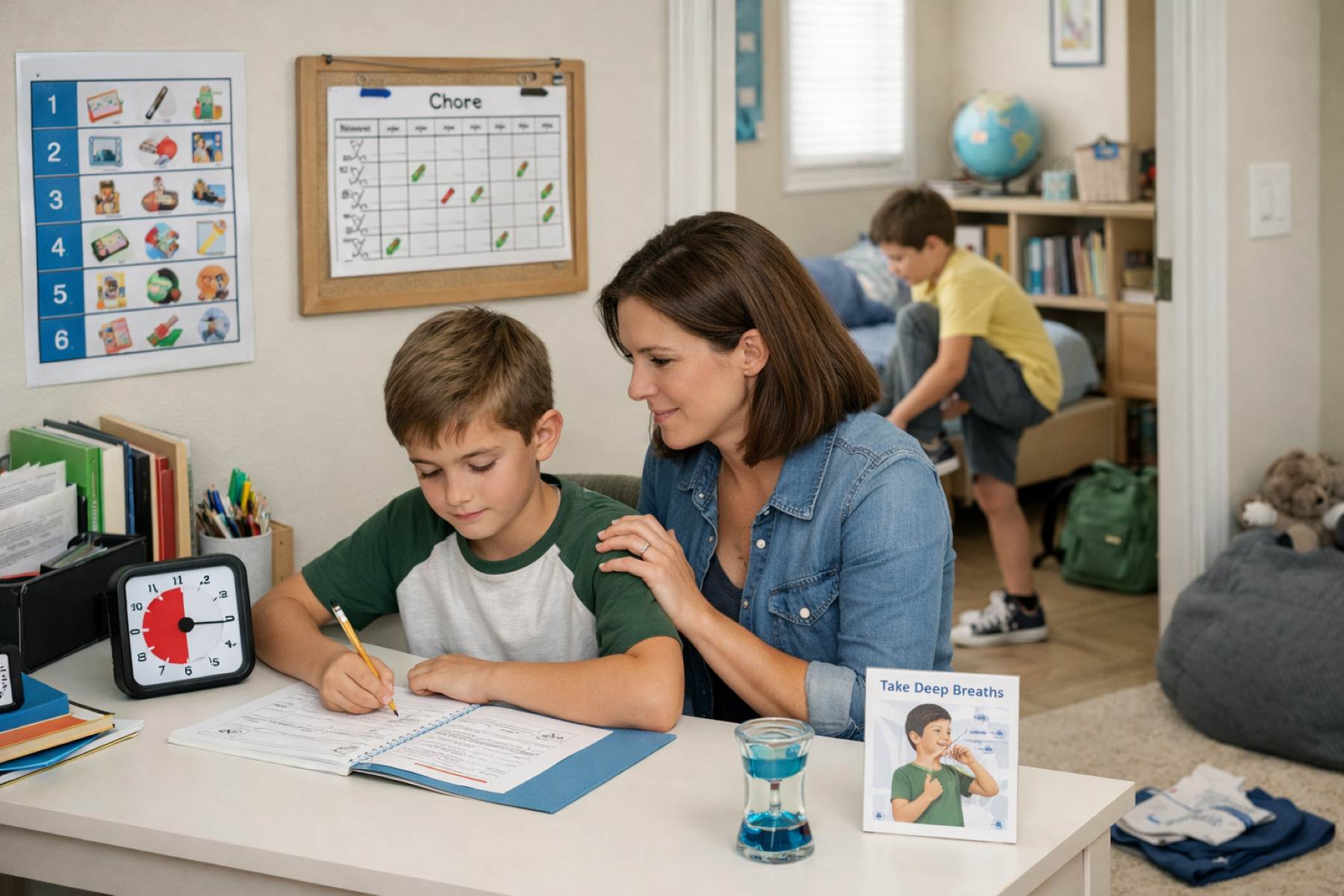
Watching a child navigate the complexities of daily life—from remembering their homework to managing a sudden change in plans—is a journey filled with both challenges and triumphs. As parents and educators, we often look for ways to help them build the “mental toolkit” necessary for success. This toolkit is professionally known as executive function, a set of cognitive processes that act like the air traffic control system of the brain. When we provide consistent executive function support, we aren’t just helping a child finish their chores; we are gifting them the lifelong ability to manage their time, emotions, and goals with confidence.
Building these skills doesn’t require a classroom setting or a rigid curriculum. In fact, the most profound growth often happens within the comfort of the home through small, intentional shifts in our daily interactions. By focusing on supportive frameworks rather than strict control, we can help children develop the internal scaffolding they need to thrive independently.
Understanding Executive Function Support in Early Development
Before we dive into specific strategies, it is helpful to understand what we mean by executive function support. Essentially, executive function includes three main pillars: working memory, cognitive flexibility, and inhibitory control. Together, these skills allow us to focus, follow multi-step directions, and stay calm when things don’t go as planned.
Providing support in this area means recognizing that these skills are like muscles—they need the right kind of exercise to grow. For many children, these “muscles” are still developing, and they may need external structures to help them bridge the gap between knowing what to do and actually doing it. This supportive approach emphasizes patience and gradual independence over immediate perfection.
1. Create Structured Daily Visual Schedules
One of the most effective ways to lower a child’s anxiety and improve their focus is to make time visible. For many young minds, the concept of “the afternoon” or “later” is abstract and difficult to grasp. By creating a structured daily visual schedule, you provide a clear roadmap that reduces the cognitive load on their working memory.
Instead of constantly reminding them of the next task, you can simply point to the chart. This shifts the dynamic from a parent giving orders to the child following a shared plan. Use icons, photos, or simple drawings to represent different blocks of time, such as breakfast, schoolwork, and play. When a child can see what is coming next, they feel more in control of their environment, which is a foundational step in building executive function support.
2. Establish Consistent Household Chore Routines
Chores are often seen as a necessity of home life, but they are actually a brilliant training ground for executive skills. Establishing a consistent routine for household tasks helps children practice sequencing—the ability to break a large goal into smaller, manageable steps. Whether it is setting the table or sorting the laundry, these tasks require planning and persistence.
To make this successful, it is helpful to keep the routine predictable. When a child knows that Saturday mornings are for tidying their room, they begin to internalize that rhythm. Over time, the need for constant prompting fades, and the child learns to initiate the task on their own. This sense of contribution also boosts their self-esteem, showing them that their efforts have a tangible impact on the family’s well-being.
3. Designate Organized Quiet Study Zones for Executive Function Support
The physical environment plays a massive role in how well a child can regulate their attention. A cluttered or noisy space can make it nearly impossible for a developing brain to filter out distractions. By designating an organized, quiet study zone, you are creating a “cognitive cue” that tells the brain it is time to focus.
This space doesn’t need to be elaborate; a small desk or a specific corner of the dining table works perfectly. The key is to keep it stocked with necessary supplies like pencils and paper so the child doesn’t have to break their concentration to go hunting for tools. By minimizing external “noise,” you provide the executive function support necessary for them to practice sustained attention and task completion.
4. Implement Timed Task Management Techniques
Time blindness is a common hurdle for children who struggle with executive tasks. They might get lost in a daydream or spend an hour on a five-minute assignment. Implementing timed techniques, such as using a sand timer or a digital countdown, helps them develop a “feel” for how long tasks actually take.
You might try the “ten-minute sprint” where the child focuses entirely on one task until the timer dings, followed by a short break. This makes daunting projects feel much more approachable. It also teaches them the value of pacing, helping them realize that work has a beginning, a middle, and—most importantly—an end.
5. Model Proactive Problem Solving Behaviors
Children are natural observers, and they learn a great deal about executive function support by watching how the adults in their lives handle stress. When things go wrong—perhaps you’ve lost your keys or a recipe didn’t turn out right—try thinking out loud. Explain your process: “I’m frustrated that I can’t find my keys, so I’m going to stop, breathe, and retrace my steps.”
By verbalizing your internal dialogue, you are modeling the “inner voice” that children need to develop for themselves. Showing them that mistakes are just problems waiting for a solution helps them move away from frustration and toward proactive thinking. It teaches them that being “smart” isn’t about never having problems, but about knowing how to navigate them.
6. Practice Emotional Regulation Breathing Exercises
Executive function and emotional regulation are deeply intertwined. It is very difficult for a child to plan or focus if they are overwhelmed by big feelings like anger or disappointment. Introducing simple breathing exercises into the daily routine provides them with a tool they can use to “reset” their nervous system when things feel like too much.
You might teach them “square breathing” or simply encourage them to take three deep breaths before responding to a challenge. By making this a regular practice—not just something used during a meltdown—you help them build the capacity for inhibitory control. This allows them to pause and think before they act, which is a hallmark of strong cognitive processing.
7. Encourage Independent Morning Preparation Habits as Executive Function Support
The morning rush is often the ultimate test of executive skills. While it might be faster to pack their bag for them, encouraging independent morning preparation habits pays off significantly in the long run. Start small, perhaps by having them pick out their clothes the night before or letting them check off their own “ready for school” list.
The goal is to move the responsibility from the parent to the child gradually. When a child successfully navigates their morning routine without being nagged, they start the day with a sense of mastery. This morning success often spills over into their school day, providing a confident foundation for all the learning and social interactions ahead.
Supporting a child’s development is a marathon, not a sprint. It requires a gentle balance of providing structure while also allowing room for the child to make mistakes and learn from them. By integrating these seven strategies into your home life, you are creating a nurturing environment where executive function support is part of the very fabric of the day.






No Response