

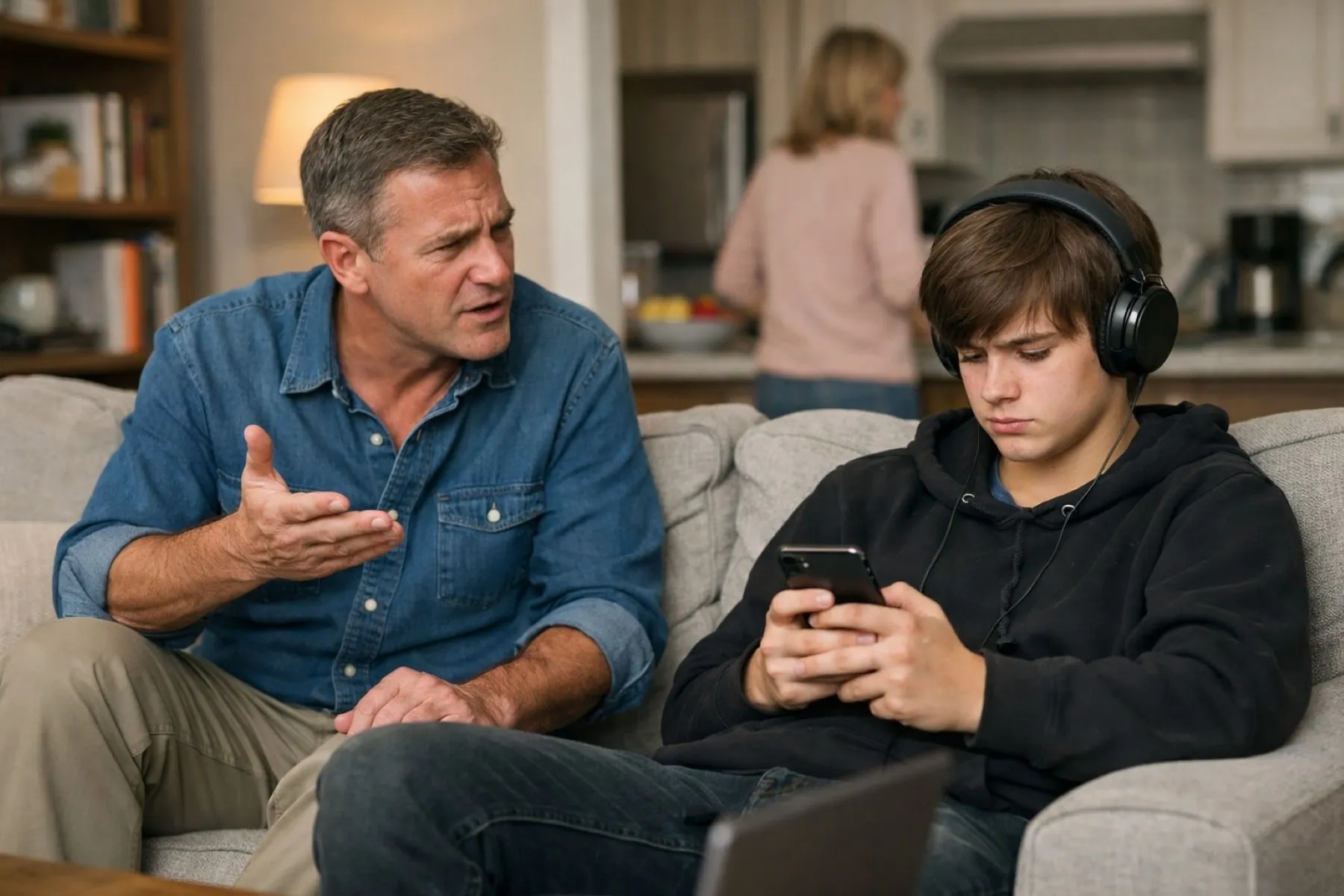
Parenting has always been a tightrope walk between guidance and autonomy, but today’s landscape feels more like a high-wire act over a digital canyon. At its core, the intergenerational communication gaps we face today aren’t just about different slang or a preference for TikTok over television; they represent a fundamental shift in how we perceive the world. We often approach parenting with a toolkit inherited from a previous era—one built on resilience, traditional milestones, and clear hierarchies. However, when these well-intentioned tools are applied to the complexities of a hyper-connected, emotionally aware generation, they can inadvertently create walls instead of bridges.
Understanding the “why” behind modern alienation is the first step toward reclaiming your seat at the table of your child’s life. If you’ve noticed a growing silence at dinner or a defensive edge to your conversations, it’s likely not a lack of love, but a friction in how that love is being communicated. This article explores the subtle, often invisible habits that cause parents to lose their relevance and provides a roadmap for building a relationship based on contemporary reality rather than outdated expectations.
The Evolution of the Connection Gap
In previous decades, a parent’s relevance was largely tied to their role as the primary source of information and authority. Today, the internet has democratized knowledge, leaving parents with a new, more difficult job: being the primary source of wisdom and emotional safety. When we fail to update our “operating system,” we risk becoming background noise in our children’s lives. The alienation often starts small—a dismissed comment here, an eye-roll there—but over time, these micro-disconnects form a chasm that becomes increasingly difficult to cross.
The modern world has introduced stressors that simply didn’t exist thirty years ago. From the relentless pace of the attention economy to the existential weight of global crises, the “Next Gen” is navigating a reality that can feel overwhelming. To remain relevant, parents must move away from the “when I was your age” narrative and lean into a “help me understand your world” perspective. It’s about shifting from being a commander to becoming a consultant.
7 Subtle Mistakes That Widen Intergenerational Communication Gaps
1. Dismissing Modern Mental Health Struggles
One of the fastest ways to lose a young person’s trust is to treat their mental health concerns as “phases” or a lack of “toughness.” In the past, emotional struggles were often kept behind closed doors or rebranded as “the blues.” Today’s generation views mental health as a core component of overall well-being. When a parent responds to anxiety or burnout with “just tough it out,” it signals a deep lack of empathy, further fueling intergenerational communication gaps regarding emotional safety.
2. Validating Outdated Social Success Metrics
We all want our children to be successful, but the definitions of success have shifted dramatically. Many parents still push for the “safe” path: a linear education and a 30-year career at a single firm. While these are noble goals, they are increasingly disconnected from the modern gig economy. When we fixate on these specific markers, we often overlook the creative, digital-first paths our children are passionate about. This creates a sense that the parent is “out of touch,” making their advice feel like an anchor rather than a sail.
3. Overlooking Digital Privacy Boundary Needs
For older generations, privacy was physical—a locked diary or a closed bedroom door. For the next generation, privacy is digital. A common mistake is “oversharing” a child’s life on social media without their consent. While safety is paramount, failing to respect digital boundaries can feel like a profound betrayal of trust. If a child feels their digital life is a goldfish bowl for parental observation, they will move their “real” lives to hidden accounts, making the intergenerational communication gaps even harder to bridge.
4. Minimizing Unique Contemporary Economic Pressures
There is a persistent myth that the younger generation is struggling because they buy too much avocado toast. In reality, they face a world where the ratio of wages to housing costs is vastly different than it was in the 1980s. When parents minimize these systemic pressures, it creates resentment. Acknowledging that the game has become harder doesn’t make a child “soft”; it makes the parent a realistic ally who understands the uphill battle their child is fighting.
5. Refusing to Adapt Communication Styles
Communication is a two-way street, but often, parents expect their children to do all the merging. Insisting on long phone calls when the child prefers a thoughtful text creates a barrier. The next generation values collaborative communication; they want to be heard, not talked at. If a parent refuses to learn the nuances of how their child communicates—including the importance of tone and timing in digital spaces—they risk being “muted” in both the literal and figurative sense.
6. Ignoring Diverse Global Social Perspectives
Issues regarding social justice, environmentalism, and identity are not “trends” to the younger generation; they are core values. When parents mock “woke” culture or dismiss global concerns as trivial, they aren’t just sharing an opinion—they are often attacking their child’s identity. To minimize intergenerational communication gaps, parents don’t necessarily have to agree on everything, but they must show a genuine effort to understand the ethics that drive their children’s worldviews.
7. Prioritizing Authority Over Mutual Respect
The “because I said so” era of parenting is effectively over. While children still need boundaries, the modern relationship thrives on “earned authority” rather than “positional authority.” When a parent leans too heavily on their status as the elder to win arguments, they trade long-term influence for short-term compliance. The next generation gravitates toward mentors who show them respect. If a parent can’t admit when they are wrong, they lose the moral high ground and the respect that comes with it.
Bridging the Gap: Practical Steps for Reconnection
Healing a communication gap doesn’t require a total personality makeover; it requires a shift in posture. Start by practicing Active Curiosity. Instead of offering a solution the moment your child speaks, try asking, “What does that feel like for you?” or “How are you handling that?” This simple change moves you from a “fixer” to a “partner” and signals that you value their perspective.
Another vital step is to Audit Your Feedback Loop. For every piece of constructive criticism, try to offer five pieces of genuine validation. If your only interactions are centered around chores or grades, your relevance will naturally decline. Find common ground in their interests—even if you don’t fully “get” the appeal of a particular game or creator—and show up as a fan of their world.
Finally, embrace the Power of the Apology. Nothing addresses intergenerational communication gaps faster than a parent who can say, “I realized I handled that poorly, and I’m sorry.” It humanizes you and models the exact emotional intelligence you likely want to see in them. By lowering your guard, you give them permission to lower theirs.
The Path to a New Partnership
Closing the intergenerational gap isn’t about losing your role as a parent; it’s about evolving it. The “subtle mistakes” we make are usually born out of a desire to protect and guide, but in the modern age, protection looks like validation, and guidance looks like empathy. When we stop trying to force the next generation into the molds of the past, we open up the possibility of a rich, lifelong friendship that transcends the traditional parent-child dynamic.
Take a moment today to reflect: When was the last time you asked your child for their opinion on something—and truly listened without correcting them? Relevance isn’t something you’re entitled to; it’s something you build through consistent, respectful engagement. Start building that bridge today, one curious question at a time.