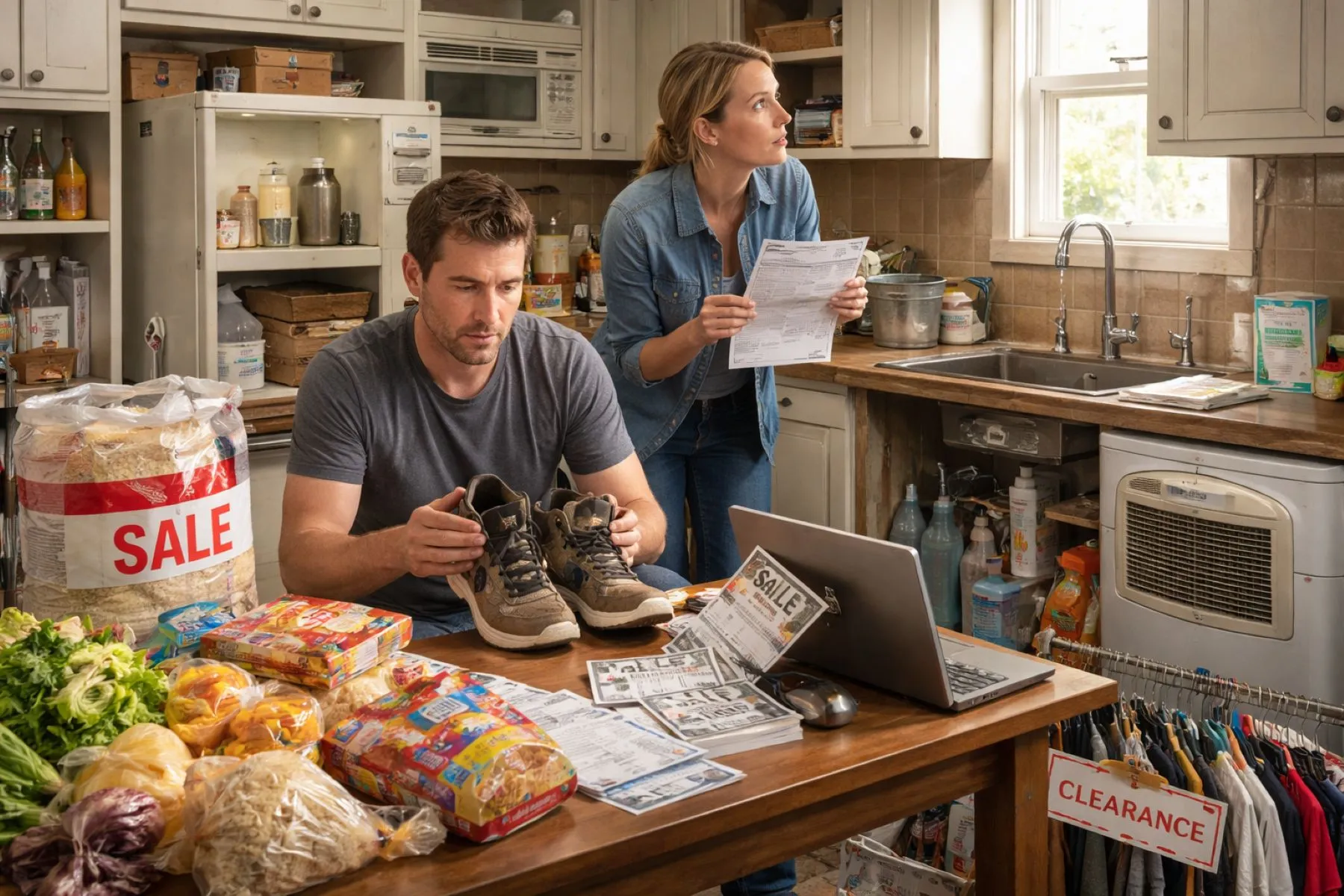
We all want to be wiser with our finances, especially in an era where the cost of living seems to climb higher every day. The concept of being “frugal” often feels like a badge of honor—a sign of discipline and foresight. However, there is a very thin line between being resourceful and being “penny wise and pound foolish.” Many common frugality mistakes are born from good intentions but end up creating a “poverty trap” where you spend more in the long run to fix the consequences of your initial savings.
Understanding the difference between price and value is the cornerstone of true financial health. When we focus solely on the immediate outflow of cash, we often ignore the hidden “tail” of expenses that follow a cheap purchase. True frugality isn’t just about spending less; it is about spending better. By identifying which habits are actually draining your bank account, you can shift your focus toward sustainable wealth and peace of mind.
Defining Frugality Mistakes and the Cost of Cheapness
Before we dive into the specific habits, it is helpful to define what we mean by frugality mistakes. These are financial decisions where the primary motivation is a lower upfront price, but the secondary outcome is a higher total cost of ownership or a significant loss in quality of life. Unlike genuine savings—which might involve using coupons for products you already need—these mistakes often involve compromising on quality, health, or maintenance. This creates a cycle of frequent replacements and emergency repairs that far exceed the cost of a higher-quality initial investment.
1. The Hidden Price of Low-Quality Discount Footwear
It is tempting to grab a pair of sneakers or work shoes just because they are on a clearance rack for twenty dollars. However, footwear is one of the most critical investments for your physical health. Cheap shoes often lack proper arch support, use materials that degrade within months, and offer poor shock absorption.
Within a short period, you will likely find yourself needing a replacement pair, doubling your initial spending. More importantly, poor footwear can lead to chronic back pain, plantar fasciitis, or knee issues. The cost of a single physical therapy session or specialized orthotics far outweighs the fifty dollars you saved by not buying a well-constructed, durable pair of shoes from the start.
2. The Risk of Skipping Essential Preventative Medical Checkups
When money is tight, a routine physical or a dental cleaning can feel like an optional expense. This is perhaps one of the most dangerous frugality mistakes anyone can make. Preventative care is designed to catch issues like high blood pressure, cavities, or early-stage illnesses before they become catastrophic.
A simple dental filling is affordable and quick; a root canal or an extraction followed by an implant is a multi-thousand-dollar ordeal. Similarly, managing health through lifestyle and early intervention is much cheaper than treating a chronic condition that has been allowed to worsen. Your health is your greatest financial asset, and neglecting it is never a bargain.
3. Neglecting Routine Household Appliance Maintenance
We often take our water heaters, HVAC systems, and refrigerators for granted until they stop working. To save a hundred dollars, many homeowners skip the annual professional inspection or the simple act of changing air filters.
When a machine has to work twice as hard because it is clogged with dust or sediment, it consumes significantly more electricity, raising your monthly bills. Furthermore, lack of maintenance leads to premature mechanical failure. Replacing an entire furnace because of a neglected burner is a massive financial blow that could have been avoided with a small, proactive maintenance budget.
4. Purchasing Bulk Food Without Consumption Plans
The warehouse club model is a staple of modern living, but it only works if you actually use what you buy. Buying a five-pound bag of spinach or a massive container of yogurt feels like a win because the price per ounce is lower. However, if half of that food ends up in the trash because it spoiled before you could eat it, you haven’t saved money—you’ve subsidized the store’s waste. Bulk buying requires a meticulous meal plan and proper storage space. Without a strategy, “bulk savings” often turn into “bulk waste.”
5. Choosing the Cheapest Available Car Insurance
Insurance is one of those things we hate paying for because we hope we never have to use it. This leads many to opt for the “state minimum” coverage to keep their monthly premiums as low as possible. While this saves you a few dollars each month, it leaves you incredibly vulnerable.
If you are involved in an accident and your coverage is insufficient to pay for the other party’s medical bills or vehicle repairs, you could be held personally liable for the difference. One mistake on the road could lead to garnished wages or the loss of your savings. Opting for comprehensive coverage is an investment in protecting your future self from total financial ruin.
6. Driving Further to Find Cheaper Gasoline
We have all seen the long lines at a gas station that is five cents cheaper than the one down the street. It feels like a victory to save two dollars on a full tank. However, if you have to drive ten or fifteen minutes out of your way to get to that station, you are likely burning the very fuel you are trying to save. When you factor in the wear and tear on your vehicle and the value of your own time, chasing cheap gas is rarely a profitable endeavor. Your time is a finite resource that is often worth much more than a few cents at the pump.
7. Delaying Necessary Minor Home Repairs
A small leak under the sink or a single loose shingle on the roof might seem like something that can wait until next year. Unfortunately, small problems in a home rarely stay small. A slow drip can rot the subflooring and encourage mold growth, turning a fifty-dollar plumbing fix into a five-thousand-dollar kitchen renovation. Addressing home maintenance issues the moment they arise is the only way to protect the equity in your home and prevent massive, unexpected outflows of cash.
8. Using Outdated and Inefficient Electronics
There is a certain pride in keeping a fifteen-year-old refrigerator or an ancient desktop computer running. While avoiding “planned obsolescence” is noble, keeping extremely old electronics can be one of the subtler frugality mistakes. Older appliances are often incredibly “energy-hungry” compared to modern, Energy Star-rated versions. In many cases, the amount you save on your monthly utility bill by upgrading to an efficient model will pay for the new appliance within a few years. Efficiency isn’t just good for the planet; it’s a direct saving for your wallet.
9. Opting for Low-Cost Fast Fashion Items
The “fast fashion” industry thrives on the idea that you can have a new wardrobe every month for very little money. The problem is that these clothes are often designed to fall apart after a few washes. You end up in a cycle of constant shopping because your “cheap” shirts have lost their shape or developed holes. Investing in “slow fashion”—high-quality, timeless pieces made from durable fabrics—is much more economical. A well-made coat that lasts ten years is far cheaper than buying a low-quality one every single winter.
10. Skipping Professional Financial Planning Advice
Many people avoid hiring a financial advisor or using professional tax software because they don’t want to pay the fee. While it’s possible to manage your own money, professionals often see opportunities for tax savings, investment growth, or insurance optimization that the average person might miss. Paying for expert advice can result in thousands of dollars in found wealth over a lifetime. Sometimes, spending money on an expert is the fastest way to grow your net worth.
11. Buying Items Solely Because They Are on Sale
A sale is only a discount if you were already planning to buy the item. Retailers use “limited time offers” and “buy one get one” deals to trigger a fear of missing out. Buying a kitchen gadget you’ll never use or a dress that doesn’t quite fit just because it’s 70% off is not saving; it’s spending. To avoid this, try the “24-hour rule”: if you see something on sale, wait a full day before purchasing. Most of the time, the urge to buy will pass, and your money will stay in your pocket.
12. Sacrificing Nutrition for Cheaper Grocery Bills
Living on highly processed, low-cost foods like instant noodles or sugary snacks can keep your grocery budget incredibly low in the short term. However, this is a heavy “tax” on your future. A diet lacking in fresh vegetables, lean proteins, and whole grains leads to lower energy levels, decreased productivity, and eventually, expensive medical bills. Investing in high-quality nutrition is a foundational part of a frugal lifestyle, as it keeps you fueled, focused, and out of the doctor’s office.
Frugality is a beautiful tool when it is used to align your spending with your values. However, when it becomes a race to the bottom of the price tag, it often backfires. By avoiding these common frugality mistakes, you allow yourself to move from a mindset of scarcity to a mindset of stewardship. Remember that the goal isn’t just to have a larger number in your bank account today; it is to build a sustainable, healthy, and high-quality life that lasts for decades. Sometimes, the most “frugal” thing you can do is spend a little more today to save a lot more tomorrow.