

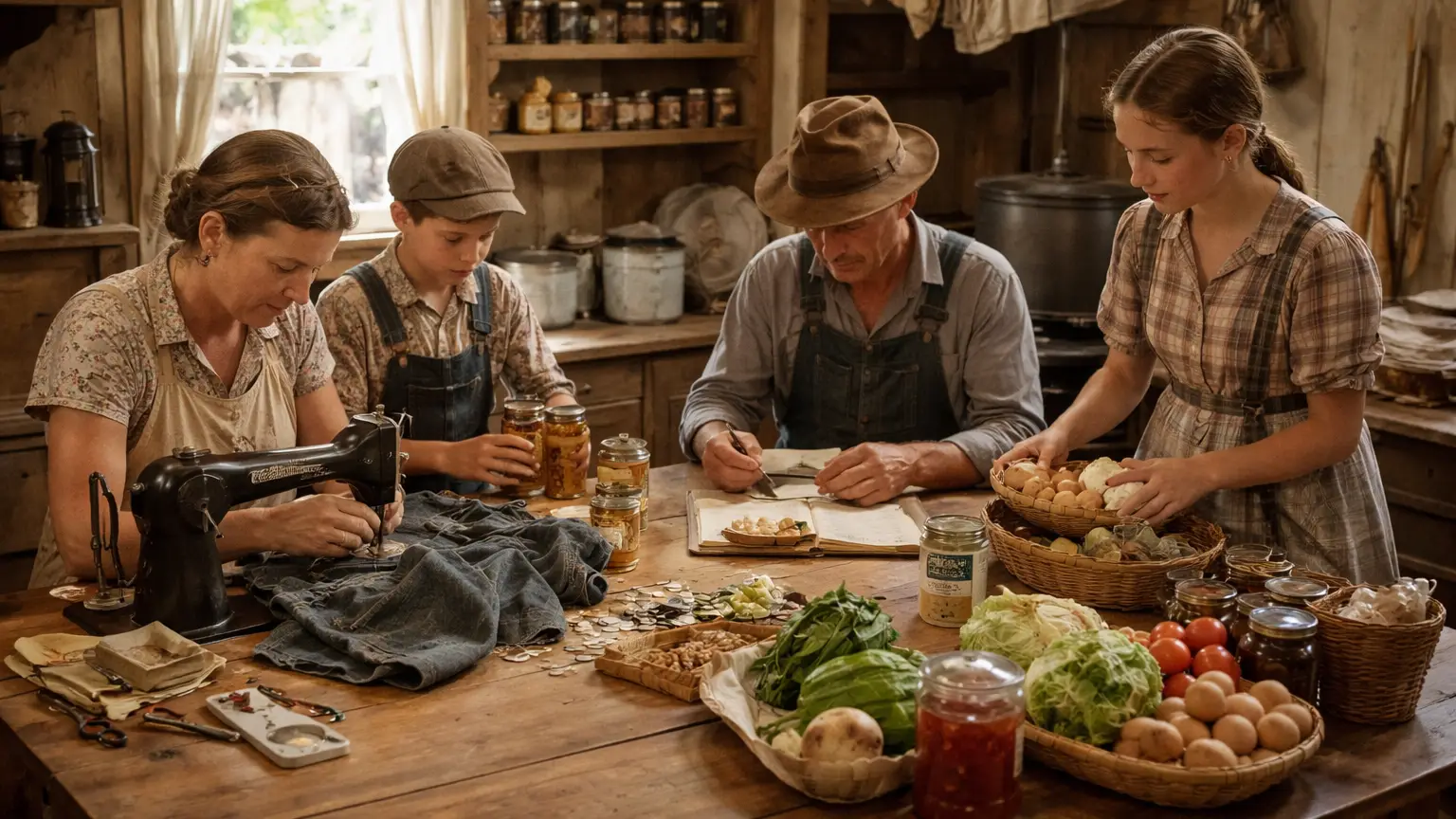
In an era of instant gratification and digital subscriptions, the concept of “frugality” often feels like a vintage trend rather than a survival strategy. However, looking back at the 1930s reveals a much deeper narrative. The Great Depression wasn’t just a period of scarcity; it was a masterclass in economic grit. To navigate today’s volatile markets, many are rediscovering Great Depression frugality—a mindset built on the radical idea that what you keep is just as important as what you earn. When the global financial system buckled, ordinary people didn’t just wait for a recovery; they re-engineered their entire relationship with money, resources, and community.
Understanding these lessons today isn’t about living in fear of a coming collapse; it’s about building a financial foundation that can withstand any storm. Whether you’re navigating modern inflation or simply trying to reach your personal savings goals, the wisdom of the “Dirty Thirties” offers a roadmap for resilience. By revisiting the habits of our grandparents, we can discover how to strip away the noise of consumerism and reclaim control over our financial destinies. In this exploration, we will look at how the principles of Great Depression frugality can be modernized to help you build a more secure, intentional, and balanced life.
Redefining the Value of a Dollar
The first hurdle in modern financial resilience is distinguishing between what we want and what we actually need. During the Great Depression, this wasn’t a philosophical exercise; it was a daily necessity. Today, the line is blurred by targeted ads and “one-click” purchases. Survival economics forces us to pause and identify essential versus non-essential spending. It’s about recognizing that while a high-speed internet connection might be essential for work, multiple streaming services are likely luxury items dressed up as necessities.
Developing a Great Depression frugality mindset means viewing every dollar as a soldier in your defense. When resources are tight, you prioritize the “Four Walls”: food, utilities, shelter, and transportation. Everything else is secondary. By adopting this hierarchy of spending, you create a natural buffer. It’s not about deprivation; it’s about clarity. When you stop “leaking” money on small, mindless purchases, you suddenly find the capital needed to fund your true priorities.
The Power of Liquidity and Repair
Cash was king in the 1930s, and for good reason. When banks are unstable or credit lines dry up, your immediate liquidity is your only safety net. While our modern banking system is more robust, the principle of prioritizing cash liquidity and savings remains paramount. Having a “sinking fund” or an emergency stash isn’t just about the numbers; it’s about the psychological peace of mind that comes from knowing you aren’t one missed paycheck away from disaster.
Beyond the bank account, the era taught people to value the things they already owned. We live in a “throwaway” culture where it’s often easier to buy a new toaster than fix an old one. However, mastering basic domestic repair skills—a hallmark of Great Depression frugality—is a cornerstone of financial independence. Whether it’s sewing a button, patching drywall, or changing your own car oil, these skills represent “invisible income.” Every time you fix something yourself, you’re essentially paying yourself the service fee you would have handed over to a professional.
Navigating the Kitchen and the Community
Food waste is one of the quietest killers of a modern budget. During the Depression, “waste not, want not” was a literal rule of thumb. Families became experts at minimizing recurring household food waste by using every scrap—turning leftovers into soups, heels of bread into puddings, and preserving seasonal produce. Today, we throw away nearly 30% of the food we buy. By tightening your kitchen management—meal planning, proper storage, and creative use of leftovers—you can effectively give yourself a significant raise in your grocery budget without changing where you shop.
But survival wasn’t a solo sport. Resilience was built through community resource sharing networks. In the 1930s, if one neighbor had a ladder and another had a plow, they traded. Today, we can replicate this through “Buy Nothing” groups, tool libraries, and local cooperatives. You don’t need to own everything if you have a strong relationship with your community. Sharing resources reduces the individual cost of living while strengthening the social fabric that supports us during hard times.
9 Core Principles of Depression-Era Financial Grit
-
Identify Essential vs. Non-Essential Spending: Audit your bank statements with a “survivalist” lens. Label expenses as “Survival,” “Comfort,” or “Luxury” to cut the fat without touching the bone.
-
Prioritize Cash Liquidity and Savings: Aim to keep a portion of your emergency fund accessible. This “dry powder” allows you to handle emergencies when credit isn’t an option.
-
Master Basic Domestic Repair Skills: Stop viewing belongings as disposable. The more you can do for yourself, the less the world can charge you for the privilege of living in it.
-
Minimizing Household Food Waste: Rotate your stock and understand the art of the “everything” stew. This is the fastest way to find an extra $100–$200 a month in your budget.
-
Utilize Community Resource Sharing Networks: Before hitting “Add to Cart,” check if a neighbor has the item. This “circular economy” keeps money in everyone’s pockets.
-
Avoid High-Interest Consumer Debt Traps: Treat high-interest debt like a fire in your house—put it out immediately. Living within your means is the only way to ensure a solid foundation.
-
Practice Multi-Purpose Asset Utilization: Choose products that serve multiple functions. A versatile wardrobe or multi-tool maximizes the value of every dollar spent.
-
Cultivate Secondary Income Stream Resilience: Survivors of the 1930s had “hustles” before the word existed. Having a secondary income is a vital insurance policy in the modern gig economy.
-
Implement Disciplined Long-Term Budgeting Habits: Frugality isn’t a temporary state; it’s a discipline. Create a budget that accounts for lean years even during prosperous times.
How to Start Your Frugality Journey Today
Adopting these habits doesn’t require a lifestyle overhaul overnight. Start small. Pick one category—perhaps your grocery habits or your “convenience” spending—and apply a lens of Great Depression frugality to it for thirty days. Ask yourself: “How would I handle this if I couldn’t just buy a solution?”
Another practical step is the “24-hour rule” for all non-essential purchases. During the Depression, people often had to wait because the money simply wasn’t there. Recreating that friction allows the dopamine hit of the “buy” to wear off, leading to more rational decisions. Finally, look around your home for things you can repurpose. Before you throw something away, challenge yourself to find one more use for it. This shift in perspective—from consumer to conservator—is the heart of financial resilience.
The Enduring Legacy of Survival Economics
The Great Depression was undoubtedly a period of hardship, but it also produced a generation of people who were incredibly resourceful, community-oriented, and financially savvy. They understood that wealth isn’t just about the size of a paycheck; it’s about the stability of the foundation beneath your feet.
By integrating the timeless lessons of Great Depression frugality into our modern lives, we do more than just save money; we build a sense of agency. True financial resilience comes from knowing that no matter what the market does, you have the skills to provide for yourself. As you move forward, remember that every small act of frugality is a brick in the wall of your financial fortress.