






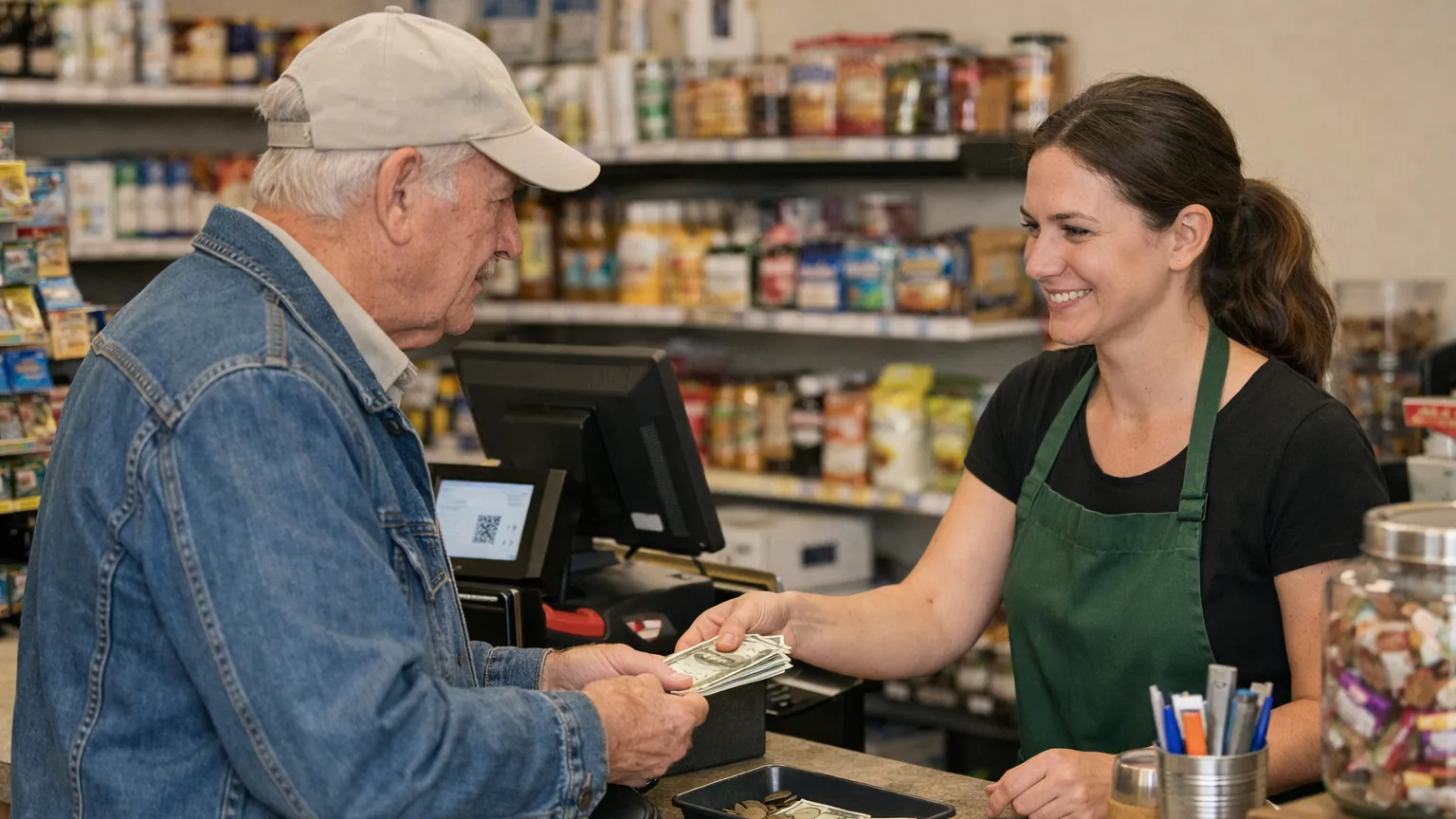
In an era where a single tap of a smartphone can complete a transaction in seconds, the jingling of coins and the crisp feel of paper bills might seem like relics of a bygone age. We are living through a massive shift in how value is exchanged, moving rapidly toward a society where numbers on a screen represent our hard-earned livelihood. However, despite the relentless march of fintech, many individuals—particularly those from the Baby Boomer generation—continue to reach for their wallets instead of their phones. This preference for cash vs digital payments isn’t just about a reluctance to change; it is rooted in a deep-seated appreciation for the security, psychology, and simplicity that physical currency provides.
Understanding the Generational Gap in Financial Habits
To understand the ongoing debate of cash vs digital payments, we must first look at the psychological comfort that physical currency offers. For many, there is an irreplaceable sense of security that comes from holding a tangible asset. When you hold a twenty-dollar bill, its value is immediate and undeniable. This physical presence creates a grounded connection to one’s labor and resources, a feeling that often evaporates when money is reduced to digital pixels.
This comfort often stems from decades of traditional financial routines. For generations, the act of “counting out” money was a foundational part of adulthood and responsibility. While younger generations grew up with the abstraction of digital balances, older adults built their financial lives on the reliability of the physical. This isn’t merely a resistance to rapid technological shifts; it is a preference for a system that has proven its stability over a lifetime.
Security Concerns and the Cash vs Digital Payments Debate
One of the most compelling arguments for maintaining cash usage involves the very real fear of digital vulnerability. In a world where data breaches and identity theft make headlines weekly, cash offers a unique form of “offline” protection. When you pay with a banknote, there is a significantly lower risk of digital identity theft. You aren’t transmitting a credit card number or a banking token into a cloud where it might be intercepted by malicious actors.
Furthermore, physical currency serves as a natural shield against online hacking attempts. Your physical wallet cannot be compromised by a phishing email or a sophisticated malware attack from across the globe. This inherent immunity to system-wide technical outages provides a level of peace of mind that digital systems struggle to match. For those who value their privacy, choosing cash over electronic transfers ensures that their purchasing habits aren’t being tracked, cataloged, and sold by data-mining corporations.
Budgeting and Financial Management Benefits
Beyond security, the choice between cash vs digital payments has a profound impact on how we manage our daily bread. There is a psychological phenomenon where spending digital money feels “less real” than spending physical cash, often leading to impulsive overspending. With cash, the visual tracking of remaining funds is instantaneous. When your envelope of cash for the week is empty, the spending stops. This “friction” in the transaction process is actually a powerful tool for financial discipline.
Additionally, using cash allows individuals to eliminate the hidden transaction fees that often nibble away at a digital balance. Whether it’s a convenience fee for using a card at a small shop or the cumulative cost of banking subscriptions, cash transactions remain straightforward and transparent. This simplicity extends to personal bookkeeping as well; there are no confusing digital statements to decipher or “pending” transactions to track. You know exactly what you have at any given moment.
Accessibility and Reliability Factors
We often take for granted the infrastructure required for digital payments to function. From high-speed internet to charged smartphone batteries, the digital economy relies on a chain of technology that can, and does, fail. Cash, however, remains the ultimate fail-safe. It offers unmatched reliability during power outages or internet failures, ensuring that essential goods can still be purchased when the “grid” goes dark.
Moreover, cash remains the most universally accepted form of payment, especially among small businesses and local vendors who may find the high processing fees of digital platforms prohibitive. For many users, the ease of a manual transaction—handing over a bill and receiving change—is far more efficient than fumbling with a biometric scanner or waiting for a banking app to load. It is a system that requires no software updates and never runs out of battery.
Privacy and Anonymity Advantages
In the modern digital landscape, our privacy is increasingly becoming a luxury. Every digital transaction leaves a “footprint” that tells a story about where we go, what we eat, and what we value. For those who prioritize personal autonomy, the divide in cash vs digital payments represents a choice between surveillance and freedom. Cash offers a vital escape from corporate monitoring, maintaining complete transaction anonymity and allowing individuals to conduct their private lives without creating a permanent record for third-party observers.
This level of personal control over financial records is not about hiding illicit activity; it is about the fundamental right to financial privacy. In a world where data is the new oil, keeping your purchasing history off the grid is a proactive way to protect your personal information from being used for targeted advertising or more intrusive forms of data profiling.
Practical Limitations of Digital Adoption
Finally, we must acknowledge that for many, the “convenience” of digital banking comes with a steep learning curve. Managing multiple passwords, navigating complex app interfaces, and the constant fear of making a “fat-finger” error—such as accidentally transferring money to the wrong person—can be genuinely stressful. For those who did not grow up with a touchscreen in their hand, these barriers can feel more like hurdles than helpers.
There is also a fundamental issue of trust. Digital banking requires us to place our faith in virtual entities and complex algorithms. For a generation that witnessed the tangible stability of local banks and physical ledgers, the transition to an entirely virtual financial existence can feel precarious. Until digital systems can offer the same level of intuitive simplicity and “unhackable” confidence as a physical bill, the preference for cash will likely remain a significant part of our economic tapestry.
A Balanced Reflection on Our Financial Future
While the world continues to tilt toward a cashless future, the enduring relevance of physical currency reminds us that technology should serve our needs, not dictate them. Whether it’s the security of knowing your funds are immune to a server crash or the simple satisfaction of teaching a grandchild the value of a dollar, cash provides a human element that digital digits often lack.
As we move forward, perhaps the goal shouldn’t be to eliminate one in favor of the other, but to appreciate the unique strengths of both cash vs digital payments. After all, true financial freedom is having the choice to pay in the way that makes us feel most secure and empowered.






No Response