The classic image of a first date—sharing a milkshake at a diner or catching a matinee film—feels like a relic from a distant, more affordable era. Today, the landscape of romance has shifted from simple social interactions into a complex, high-stakes market where the “cost of entry” is steadily climbing. For many navigating the modern dating economy for men, the challenge isn’t just about finding a spark or mastering the art of conversation; it’s about balancing a checkbook. We are living through a unique intersection of economic volatility and evolving social expectations, creating a romantic landscape that often feels rigged against the average young professional. Understanding these financial barriers is the first step toward reclaiming your social life without emptying your savings account.
The Rising Cost of Connection
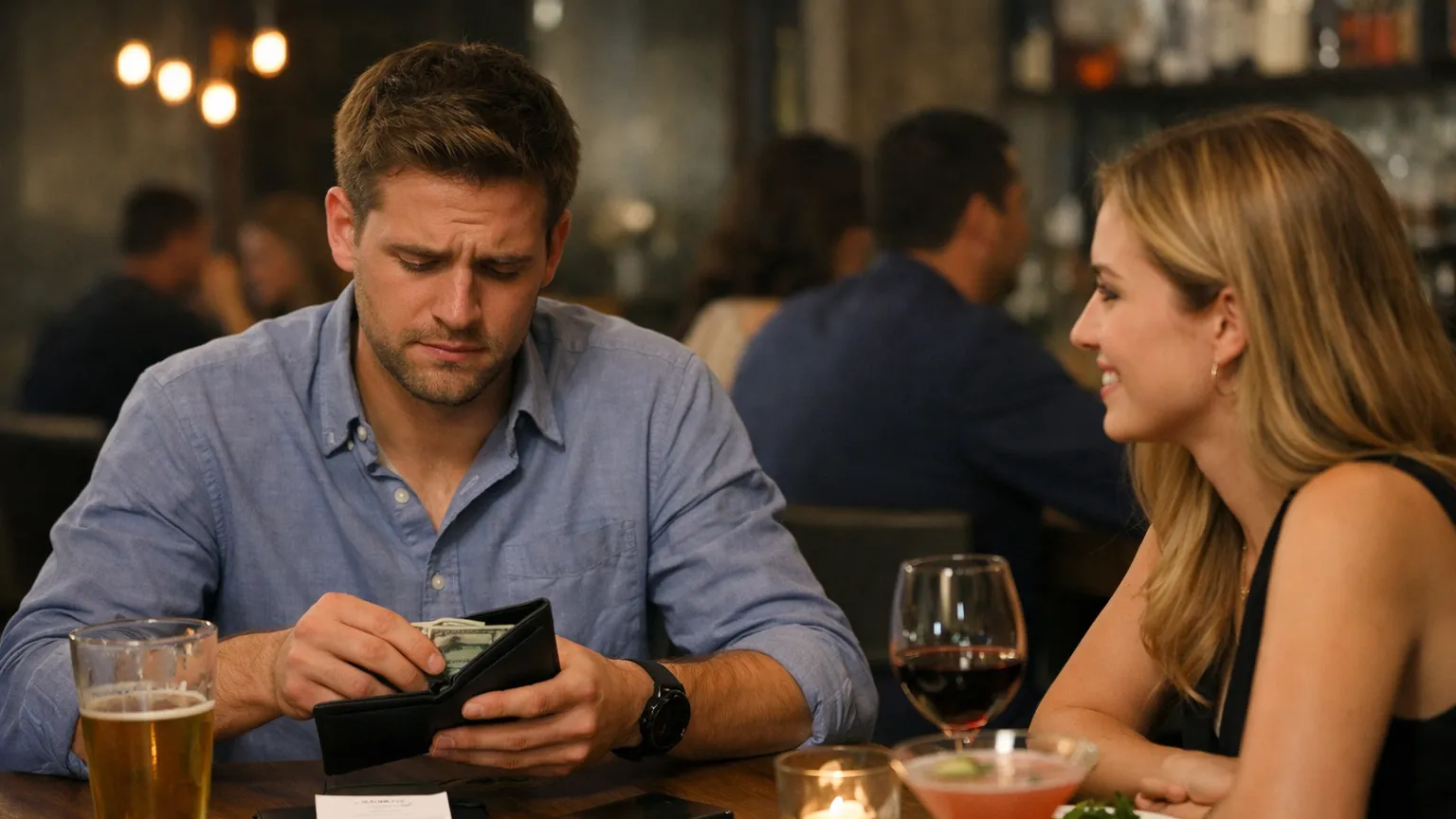
If it feels like your Friday nights are getting more expensive, it isn’t your imagination. The hospitality industry has been hit hard by global inflation, and those costs are being passed directly to the consumer. A standard “dinner and drinks” date that might have cost $60 a decade ago can easily soar past $120 today when you factor in tip, tax, and the rising price of ingredients. Within the modern dating economy for men, these baseline costs create a significant hurdle. When you multiply that by the “numbers game” nature of apps—where it might take several first dates to find a genuine connection—socializing becomes a major line item in an already tight budget.
Stagnant Wages vs. Luxury Expectations
While the price of a cocktail has doubled, the average entry-level salary hasn’t kept pace. Many young men are entering the dating pool with stagnant wages that barely cover the essentials, let alone the “competitive signaling” often required in the digital age. There is a palpable tension between the reality of a modest paycheck and the curated, luxury-heavy lifestyles showcased on social media. This “Instagram effect” has subtly shifted the bar for what constitutes an acceptable date. The pressure to provide expensive experiences—think rooftop lounges or trendy pop-up events—creates a financial barrier that can lead to “dating burnout” before a second date is even scheduled.
The Heavy Weight of the “Hidden” Costs
Beyond the bill at the end of the night, there is a mountain of hidden expenses that often go unacknowledged. For many, the economic burden begins long before they meet their date. The subscription-based model of dating apps has turned finding a partner into a monthly utility bill. Features that were once free are now locked behind premium tiers, essentially charging for visibility. Then there is the cost of personal maintenance; from high-end grooming products to a wardrobe that needs constant updating, the price of “looking the part” is higher than ever in the modern dating economy for men.
The Housing Crisis and the Death of “Third Places”
One of the most significant yet overlooked barriers is the current housing market. With a massive chunk of disposable income going toward skyrocketing rents or mortgages, there is less left over for the “social slush fund.” Furthermore, the high cost of living has contributed to the decline of “third places”—affordable, low-pressure environments like local pubs or community hubs where people used to meet organically. As these spaces disappear, dating is forced into high-cost commercial venues, removing the option for low-stakes, budget-friendly “meet-cutes.”
Navigating the Gendered Expectations of Stability
Despite evolving social norms, traditional expectations regarding financial stability often still fall heavily on men. In a competitive market, “financial fitness” is frequently used as a proxy for maturity and reliability. For those dealing with the crushing weight of student loan debt or career volatility, this creates a psychological barrier as much as a financial one. The fear of being judged for living with roommates can lead to “romantic withdrawal,” where men opt out of the dating pool entirely because they feel they aren’t “economically ready” to participate.
Practical Strategies for the Modern Dating Economy for Men
Navigating this landscape requires a shift in strategy. The goal is to move away from “financial signaling” and toward “value-based dating.” Here are a few ways to bypass the high costs:
-
The “Coffee and Walk” Pivot: Normalize low-cost first meetings. A mid-day coffee or a walk through a local gallery allows for genuine conversation without the pressure of a $100 bill.
-
Focus on Shared Hobbies: Shift the focus from “buying an experience” to “sharing an activity.” Hiking, visiting a public market, or attending a free community lecture provides a more authentic look at compatibility.
-
Transparency and Authenticity: There is a growing movement toward “budget dating” transparency. Being honest about wanting to keep things low-key can actually be a great filter for finding a partner who shares your values.
-
Invest in Quality over Quantity: Instead of spending on multiple app subscriptions, focus on one platform and be more intentional with your matches to reduce “date fatigue” and wasted spending.
Redefining Success in the Modern Market
The modern dating economy for men is undoubtedly challenging, but it doesn’t have to be a dead end. The financial barriers we face today are a reflection of broader economic shifts, not a personal failing. By recognizing these pressures for what they are, we can stop measuring our romantic worth by our ability to fund luxury experiences. True connection isn’t found in the price of the wine, but in the quality of the conversation. As we move forward, the most successful daters will be those who prioritize creativity, authenticity, and emotional intelligence over the size of their bank account.