

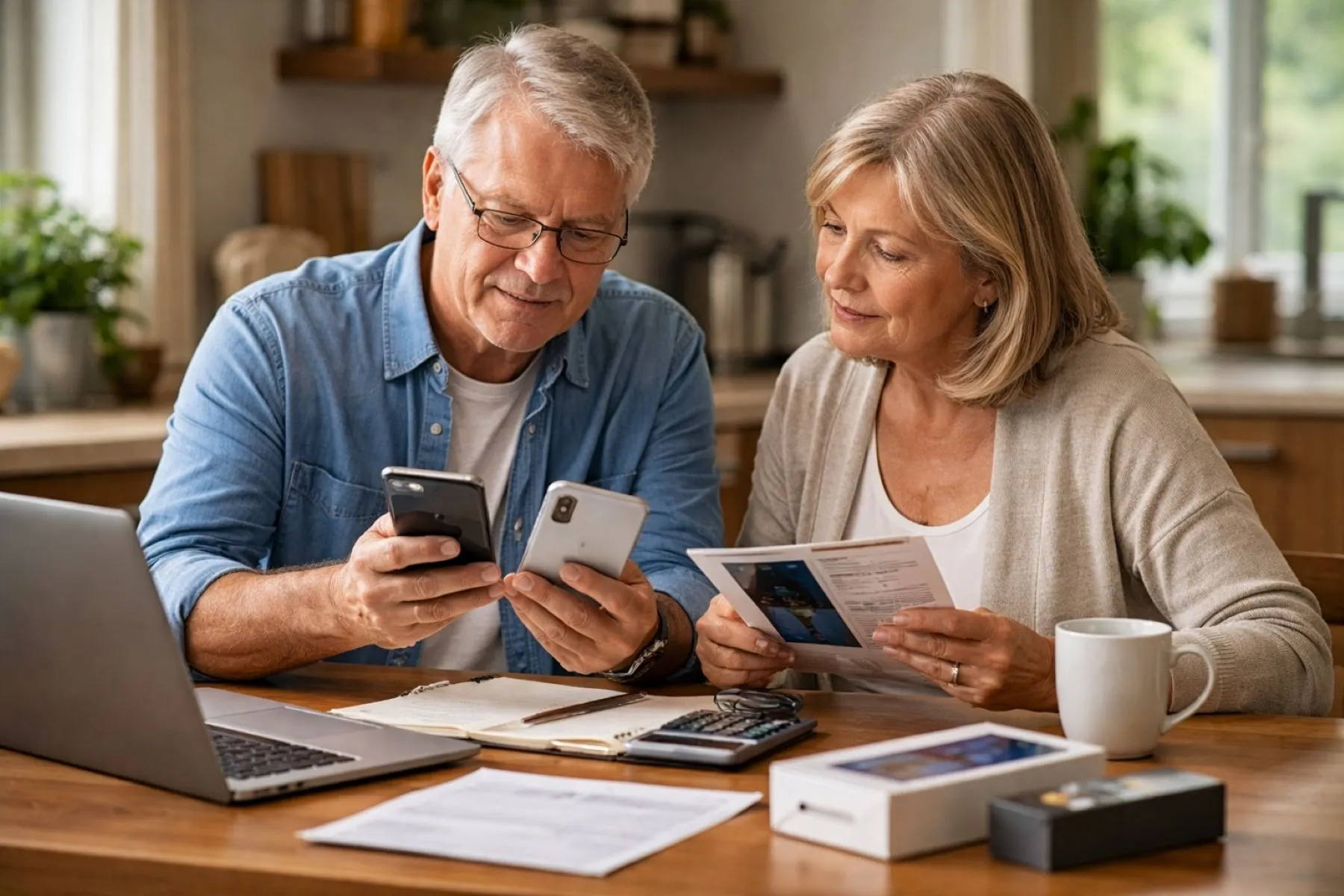
The digital landscape is often portrayed as a playground for the young, a fast-paced world of viral trends and overnight software updates. However, a significant shift is occurring beneath the surface of the consumer market. Baby Boomer tech purchasing habits are evolving rapidly; those born between 1946 and 1964 are no longer just passive observers of the tech revolution. Instead, they have become some of the most deliberate and strategic tech spenders in the modern economy. For many retirees, a smartphone or tablet isn’t just a toy; it is a vital lifeline for staying connected with grandchildren, managing healthcare, and navigating the complexities of modern banking.
Despite the stereotype of the “tech-averse senior,” today’s retired Boomers are making highly calculated investments in personal technology. They approach a gadget purchase with the same financial scrutiny they applied to buying a home or managing a 401(k). This demographic values stability and utility over the flashy marketing “hype” that typically drives younger generations. By understanding their unique Baby Boomer tech purchasing habits, we can gain insight into a more sustainable, value-driven way of consuming technology that prioritizes longevity over the latest trend.
The Shift Toward Longevity and Device Durability
When a retired Baby Boomer walks into a store or browses an online marketplace for a new device, they aren’t looking for a “disposable” gadget. Unlike younger consumers who might trade in their phones every twelve months to have the latest camera lens, Boomers view technology as a long-term capital investment. They are looking for the “Toyota” of smartphones—something that is built to last, handles daily wear and tear gracefully, and won’t require a replacement in two years.
This preference for durability is a core pillar of Baby Boomer tech purchasing habits. Rooted in a lifetime of experience with physical goods built to be repaired, retirees believe a high price tag is only justifiable if the device promises a five-to-seven-year lifespan. This is why you’ll often see Boomers investing in high-quality protective cases and screen protectors the moment they leave the store. They aren’t just buying a phone; they are buying the peace of mind that comes with a reliable tool.
Evaluating Practical Value Over Fleeting Trends
The “Fear Of Missing Out” (FOMO) rarely dictates the financial decisions of a retired Boomer. While a Gen Z consumer might be swayed by a phone’s ability to record 8K video or support niche gaming features, Boomers tend to filter their choices through a lens of strict utility. They ask themselves: “How will this actually improve my daily life?” If a feature doesn’t serve a clear purpose—like making a video call clearer or making text easier to read—it is viewed as an unnecessary expense.
This focus on practical value often leads to a “middle-out” purchasing strategy. Many retirees opt for the “Plus” or “Pro” versions of devices not for the prestige, but because those models offer tangible benefits like better screen real estate or superior battery life. They are willing to pay a premium, but only for features that solve a real-world problem. This discerning nature makes them a tough audience for “gimmicky” tech, as they are quick to see through marketing fluff that lacks substance.
The Essential Need for User-Friendly Interfaces
As we age, our physiological needs change, and the tech industry hasn’t always been the best at keeping up. For a retired Boomer, a device’s “cool factor” is secondary to its accessibility. Strategic purchasing decisions are often heavily influenced by the User Interface (UI). Large, crisp displays with high contrast are a non-negotiable requirement for many, as are intuitive navigation systems that don’t require memorizing complex gestures.
This demand for accessibility has actually driven significant innovation in the mobile industry. When analyzing Baby Boomer tech purchasing habits, it’s clear they look for devices that offer robust accessibility settings—larger font sizes, haptic feedback, and voice-to-text capabilities that actually work. A gadget that feels “fiddly” or overly complicated is likely to be returned within 24 hours. For this demographic, the best technology is the kind that gets out of its own way.
Prioritizing Battery Longevity and Reliability
For a retiree who may be traveling, spending a day at the golf course, or keeping tabs on family members, battery anxiety is a very real thing. One of the most consistent patterns in Boomer tech spending is the prioritization of battery health and charging reliability. They aren’t interested in a phone that needs to be tethered to a wall outlet by lunchtime.
When researching gadgets, Boomers often dive into reviews specifically looking for “real-world” battery performance. They want to know if a tablet can survive a cross-country flight or if a smartwatch can last through a weekend of hiking without needing a proprietary cable. This need for reliability is a cornerstone of their financial logic: a device that dies when you need it most is, in their view, a failed investment regardless of how much it cost.
The Comfort of Trusted Legacy Brands
Brand loyalty is a powerful force among Baby Boomers, but it isn’t blind loyalty—it’s earned. Many retirees gravitate toward “Legacy Brands” like Apple, Samsung, or Sony because these companies have established a multi-decade track record of customer service and hardware consistency. There is a psychological comfort in knowing that if a device breaks, there is a physical store they can visit or a reliable support line they can call.
Strategic financial decision-making often involves mitigating risk. For a Boomer, buying a cheaper device from an unknown startup is seen as a high-risk move. They would much rather spend an extra $200 on a brand they’ve used for years than save money on a “budget” brand that might disappear from the market in a year. This “stick-to-what-you-know” approach simplifies their digital ecosystem and ensures that their various devices work together seamlessly.
Comparing Cost Against Essential Features
The final stage of the Baby Boomer tech purchasing habits journey is a meticulous cost-benefit analysis. They are masters of comparing the “spec sheet” against the price tag, but they do so with a unique twist: they are looking for the “sweet spot” of technology. They rarely buy the absolute cheapest model because they know it will be sluggish, but they also avoid the “ultra-luxury” tiers that offer features they will never use.
A Boomer might spend weeks researching before pulling the trigger on a purchase. They look for discounts, trade-in values, and bundled services. However, unlike younger shoppers who might wait for a “drop” or a flash sale, Boomers are more likely to buy when they feel they have found a fair price for a quality product. They view the transaction as a partnership between themselves and the manufacturer—they provide the capital, and the manufacturer provides a tool that works as advertised.
Tips for Making a Wise Tech Investment in Retirement
If you’re looking to upgrade your tech setup or helping a family member do so, consider these strategies influenced by successful Baby Boomer tech purchasing habits:
-
Focus on the “Big Three”: Screen clarity, battery life, and ease of use. If a device fails in any of these areas, it’s probably not the right fit for a long-term investment.
-
Test Before You Buy: Whenever possible, visit a physical store. Hold the device in your hand. Is it too heavy? Can you navigate the menus comfortably? Five minutes of physical interaction is worth five hours of reading online reviews.
-
Ignore the “Gimmicks”: Don’t be swayed by features like “folding screens” or “augmented reality” unless you have a specific use for them. Stick to the features that facilitate communication and organization.
-
Check the Support Path: Before buying, see where the nearest authorized repair center is. Knowing you have a local “genius bar” or tech support desk can save a lot of stress down the road.
-
Invest in Protection: Budget for a high-quality case and a glass screen protector from day one. It’s the easiest way to ensure your investment lasts for years.
Finding Value in the Digital Age
The way retired Baby Boomers approach technology is a masterclass in intentional living. By stripping away the noise of constant upgrades and focusing on what truly matters—durability, clarity, and reliability—they have carved out a sophisticated niche in the consumer market. They prove that being “tech-savvy” isn’t about having the newest gadget; it’s about having the right gadget that serves your life effectively.
As we look toward the future of mobile technology, perhaps we can all take a page from the Baby Boomer tech purchasing habits playbook. Instead of chasing the next big thing, we can focus on finding tools that offer genuine value and stand the test of time. After all, the best piece of technology isn’t the one with the most bells and whistles—it’s the one that works perfectly every time you reach for it.