






We often imagine financial ruin as a singular, catastrophic event—a massive stock market crash, a failed business venture, or a sudden, unexplained job loss. But for the vast majority of us, the real threat to our bank accounts isn’t a tidal wave; it’s a slow, persistent leak. It is the “death by a thousand cuts” approach to personal finance, where small, seemingly insignificant daily choices accumulate until they’ve quietly hollowed out our long-term stability. Bad financial habits aren’t always loud; more often, they are the quiet background noise of our lives that prevent us from reaching our true potential.
Understanding these subtle drains is the first step toward reclaiming your financial autonomy. Most people struggle with their savings not because they earn too little, but because they haven’t identified where their money is escaping. By peeling back the layers of our daily routines, we can see how micro-spending and emotional triggers create a cycle of “stealth spending” that keeps us running in place. This article will help you identify those invisible leaks, understand why these poor money behaviors are so damaging, and provide a roadmap to plug them for good.
Identifying Small Habits with Big Impacts
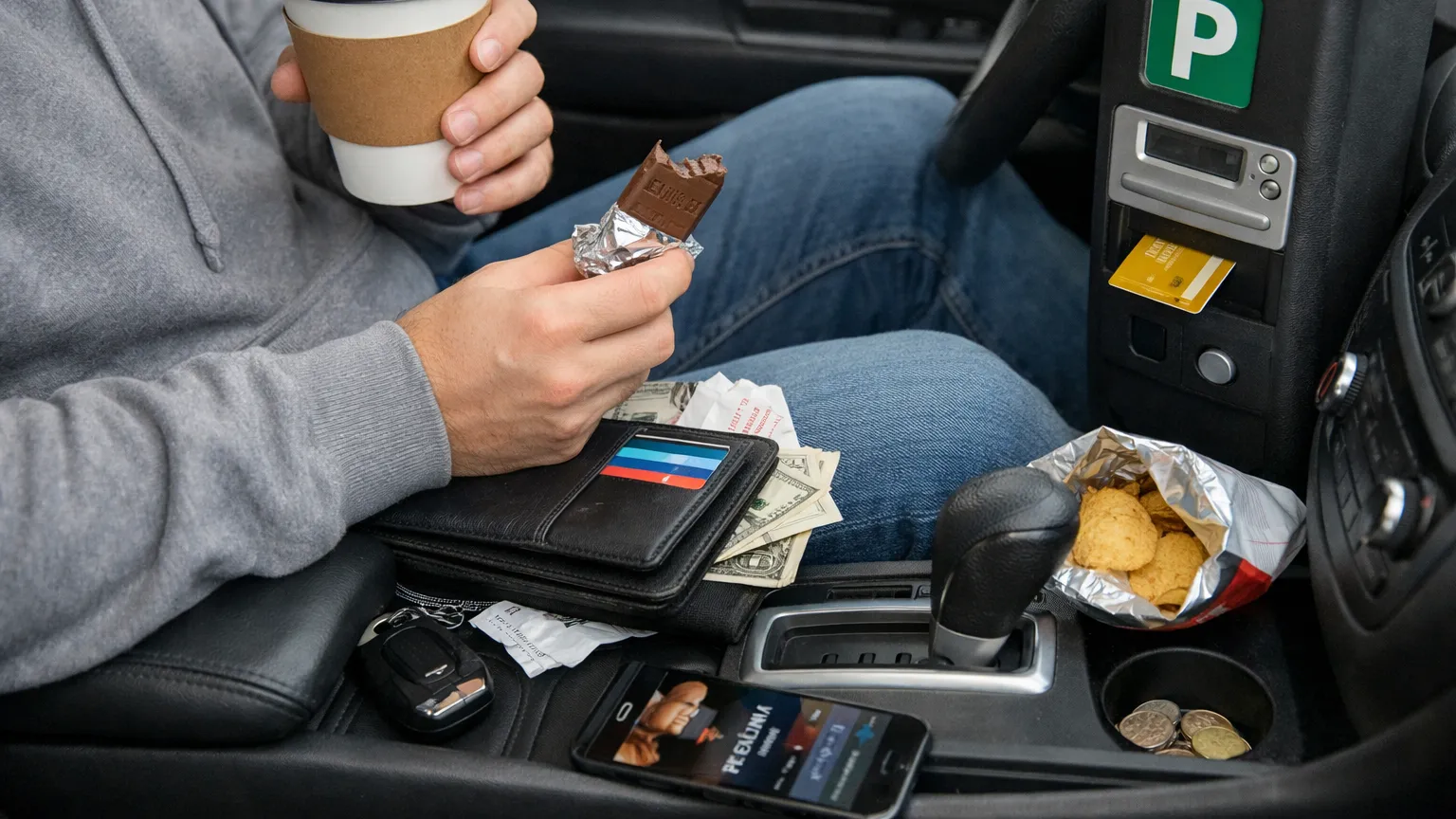
The danger of a $5 expense is that it feels like nothing. When we spend $500, we pause, we reflect, and we weigh the value. But when we tap our cards for a daily latte, a premium parking spot, or a vending machine snack, our brains barely register it as a financial transaction. These are the “ghost expenses” of modern life. Individually, they are harmless; collectively, they form bad financial habits that can equal a monthly mortgage payment.
Think about the subscriptions we neglect. In the digital age, we are billed in increments of $9.99 or $14.99 across dozens of platforms. We sign up for a “free trial” with every intention of canceling, only to find six months later that we’ve paid $60 for a service we never used. Then there’s the “convenience tax”—paying extra for delivery or buying pre-cut vegetables at a 300% markup. These aren’t just purchases; they are routines that prioritize momentary ease over lifetime wealth.
Why Small Expenses Damage Long-Term Wealth
It is easy to dismiss a few dollars here and there, but the math of compound interest tells a different story. Every dollar spent on a whim is a dollar that isn’t working for you in a high-yield savings account or an index fund. This is the “opportunity cost” of micro-spending. If you redirected $100 a month from mindless habits into an investment, that money could grow significantly over a decade. When you spend it, you aren’t just losing the cash; you’re losing the future version of that wealth.
Beyond the math, there is a psychological toll known as “spending desensitization.” When we constantly engage in small, impulsive purchases, we train our brains to view spending as a default activity rather than a conscious choice. This leads to lifestyle creep—a common result of bad financial habits where your “small” treats scale up in price as your income increases. It keeps your emergency fund stagnant and your stress levels high, as you never truly feel like you have a financial “buffer.”
Common Emotional Triggers for Stealth Spending
To break a cycle, you have to understand the “why” behind the “what.” Most bad financial habits are actually coping mechanisms for emotional needs. Stress-induced retail therapy is a classic example. After a grueling day at the office, clicking “Add to Cart” provides a momentary dopamine hit that masks exhaustion. In these moments, we aren’t buying a product; we’re buying the temporary feeling of a reward.
Social pressure and the Fear of Missing Out (FOMO) also play massive roles. We say “yes” to expensive dinners or trendy gadgets not because we need them, but because we want to maintain a certain image. When spending becomes a hobby or a way to keep up with peers rather than a utility, the drain on your financial health becomes inevitable.
Warning Signs of Financial Erosion
How do you know if you’ve fallen victim to these subtle patterns? The signs are often found in the “vibes” of your financial life before they show up as red ink on a statement. If you feel a sense of dread when opening your banking app, or if you find yourself constantly waiting for payday just to cover basic necessities, the leak is already active.
Another major red flag is a growing credit card balance that never quite hits zero. Even if you’re making “more than the minimum,” a balance that lingers suggests your lifestyle is outperforming your income. You might also notice that while your salary has increased over the last few years, your savings account looks exactly the same. This stagnation is the hallmark of lifestyle creep and invisible spending.
Strategies to Eliminate Bad Financial Habits
The good news is that these behaviors are learned, which means they can be unlearned. The most effective strategy is radical transparency: track every single transaction for thirty days. Don’t judge yourself; just record it. Seeing the total amount spent on “small things” at the end of the month is often the “shock therapy” needed to spark change and overwrite bad financial habits.
Another powerful tool is the 24-hour cooling-off period. Before making any non-essential purchase, commit to waiting one full day. More often than not, the emotional impulse will fade. Furthermore, use technology to your advantage:
-
Automate your savings: Move money to your investment account before you have a chance to spend it.
-
Unsubscribe: Remove marketing emails that constantly bombard you with “limited-time offers.”
-
Audit Subscriptions: Use an app or a spreadsheet to cancel services you no longer use.
Long-Term Benefits of Financial Discipline
When you finally plug the leaks, the transformation is often faster than expected. You’ll find that debt starts to melt away as you apply your “found money” to balances. Your credit score will naturally climb as your debt-to-income ratio improves, opening doors to better interest rates and greater financial opportunities in the future.
Ultimately, the journey to financial health isn’t about deprivation; it’s about intentionality. It’s about making sure that your hard-earned money is going toward things that actually improve your life, rather than disappearing into a void of convenience and impulse. By auditing your daily routines and replacing bad financial habits with mindful choices today, you are giving your future self the gift of true freedom.






No Response