

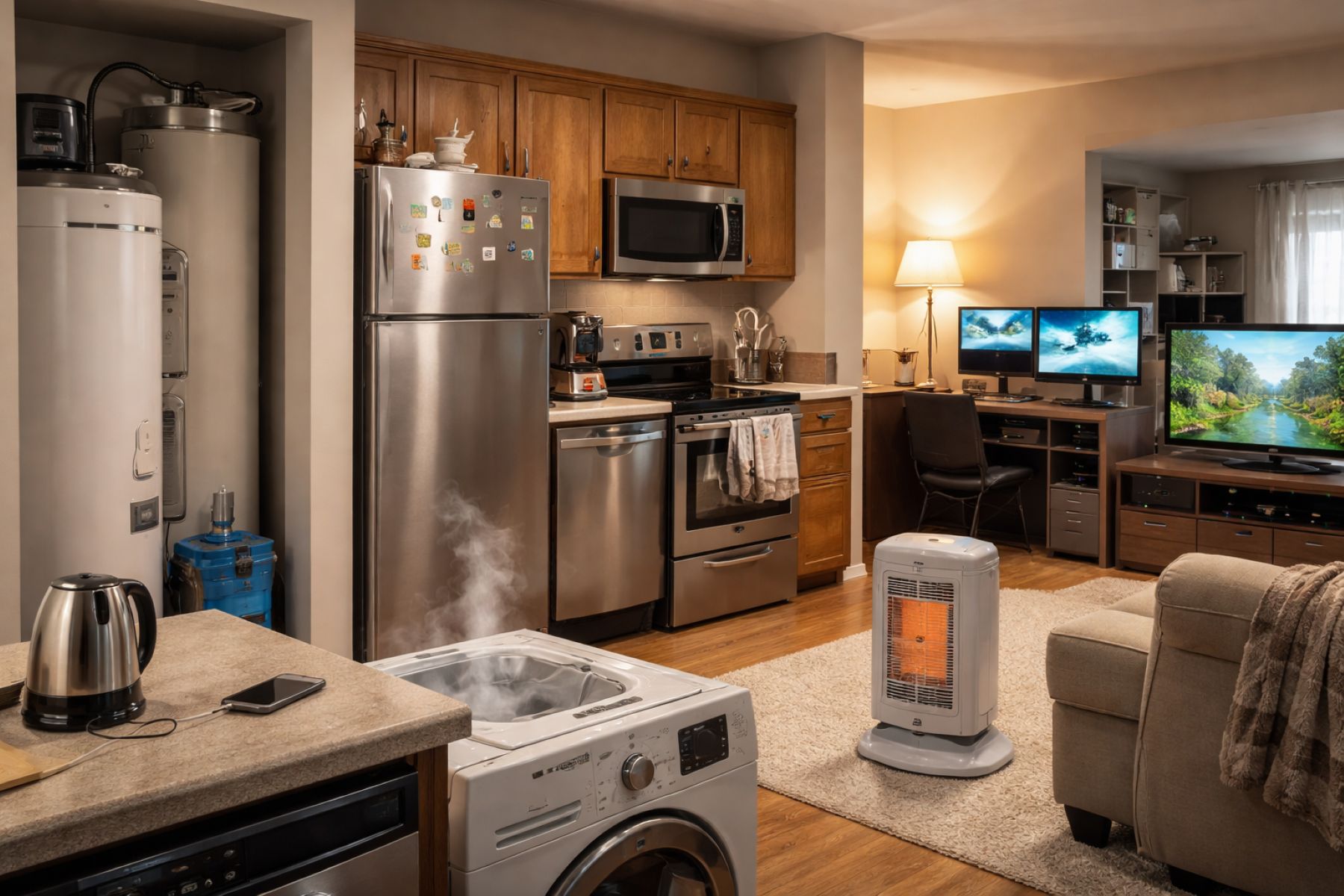
Maintaining a comfortable home in the modern era often feels like a balancing act between convenience and cost. We rely on a vast array of gadgets and machinery to keep our lives running smoothly, yet many of us are startled when the monthly utility statement arrives. The reality is that several common household fixtures operate behind the scenes as “energy vampires” or inefficient giants, quietly inflating your expenses. By understanding energy-efficient home management, you can reclaim control over your utility budget without sacrificing the quality of your daily life.
What is Energy-Efficient Home Management?
At its core, energy-efficient home management is the proactive practice of monitoring, regulating, and optimizing how energy is consumed within a household. It involves a combination of upgrading to smarter technology, maintaining existing machinery to ensure peak performance, and adopting mindful habits that reduce waste. Rather than simply “doing without,” this approach focuses on getting the same—or better—results using less power. It is an essential strategy for both financial stability and environmental stewardship in an increasingly electrified world.
1. The Constant Demand of Electric Water Heaters
Electric water heaters are often the second-largest energy consumers in a home. These units work tirelessly to maintain a large tank of water at a specific temperature 24 hours a day, regardless of whether you are using it. This “standby heat loss” means you are essentially paying to heat water while you sleep or work. To manage this more efficiently, consider insulating the tank or lowering the thermostat to 120°F (49°C), which is usually sufficient for most household needs and prevents unnecessary cycling.
2. The Inefficiency of Old Kitchen Refrigerators
While it might be tempting to keep that vintage refrigerator humming in the garage for extra drinks, older models are notorious energy hogs. Improvements in compressor technology and insulation mean that a modern, certified energy-efficient unit uses a fraction of the power required by a model from a decade ago. If your fridge is struggling to maintain its seal or running constantly, it is likely leaking both cold air and money.
3. The Heavy Lift of Central Air Conditioning Units
Central air conditioning provides unparalleled comfort during sweltering months, but it requires an immense amount of electricity to move heat out of a large home. Without regular maintenance—such as cleaning coils and replacing filters—these systems must work twice as hard to achieve the same cooling effect. Integrating energy-efficient home management tools like smart thermostats can help by automatically adjusting the temperature when you are away, ensuring you aren’t cooling an empty house.
4. The Targeted Drain of Portable Space Heaters
It seems logical to use a small heater to warm a single room rather than turning up the furnace, but portable space heaters are surprisingly expensive to operate. Most run at high wattages and lack the efficiency of a primary heating system. If used for extended periods, they can quickly become one of the most expensive items on your bill. They are best used sparingly and only in well-insulated spaces to prevent heat from immediately escaping.
5. The High Heat Requirements of Electric Clothes Dryers
Electric dryers use significant energy to generate the high heat necessary to evaporate moisture from heavy fabrics. You can improve efficiency by ensuring the lint trap and external vent are completely clear, allowing for better airflow and shorter cycle times. For those looking to maximize their energy-efficient home management efforts, utilizing a moisture-sensing setting—which stops the machine as soon as the clothes are dry—prevents the unnecessary waste of electricity.
6. The Sneaky Draw of Digital Gaming Consoles
Modern gaming consoles are powerful computers that require substantial energy, especially when left in “Instant-On” or standby modes. These modes allow the console to download updates and boot up quickly, but they keep the internal hardware active around the clock. Switching to “Energy-Saving” mode ensures the device fully powers down when not in use, which can lead to noticeable savings over the course of a year.
7. The Power Demand of Desktop Computer Setups
While laptops are designed for efficiency to preserve battery life, high-performance desktop setups—complete with multiple monitors and external speakers—can draw a surprising amount of power. Many users leave their desktops running overnight or in sleep mode, which still consumes electricity. Utilizing a power strip to completely shut down the entire workstation at the end of the day is a simple yet effective way to cut down on phantom loads.
8. The Idle Waste of Microwave Standby Modes
It is easy to overlook the microwave, but the digital clock and internal sensors mean it is drawing power every second it is plugged in. While a single microwave’s standby draw is small, it contributes to the cumulative “vampire load” of a household. If you rarely use the microwave or have it in a secondary kitchen area, unplugging it when it is not in use is a minor habit that supports a leaner energy profile.
9. The Ongoing Warmth of Coffee Makers Left On
Many traditional coffee makers feature a hot plate designed to keep your carafe warm for hours. This constant heating element is a significant energy drain. Transitioning to a thermal carafe, which keeps coffee hot through insulation rather than electricity, allows you to enjoy your morning brew while practicing better energy-efficient home management.
10. The Thermal Mass of Electronic Kitchen Ovens
Electric ovens require a massive surge of energy to reach baking temperatures. Because they are large, they also take a long time to preheat. For smaller meals, using a toaster oven or an air fryer is often a more efficient choice, as these smaller appliances reach the desired temperature faster and lose less heat to the surrounding environment.
11. The Aging Technology of Plasma Television Screens
If you still have an older plasma television, you are likely using significantly more energy than you would with a modern LED or OLED screen. Plasma technology requires high levels of electricity to light up the individual pixels. Upgrading to a newer, more efficient display not only improves your viewing experience but also reduces the heat output and power consumption in your living room.
12. The Heat Waste of Incandescent Light Bulbs
Incandescent bulbs are essentially small heaters that happen to produce a little bit of light. About 90% of the energy they consume is wasted as heat. Replacing these with LED bulbs is perhaps the easiest and most cost-effective step in energy-efficient home management. LEDs use a fraction of the wattage and last for years, providing an immediate return on investment.
13. The Quiet Pull of Always Connected Chargers
Phone, tablet, and laptop chargers continue to draw small amounts of electricity even when they aren’t connected to a device. This “no-load” power consumption adds up when multiple chargers are plugged into every outlet in the house. Developing the habit of unplugging chargers once your devices reach 100% helps protect your battery life and your wallet.
14. The Mechanical Strain of External Water Pumps
For homes that rely on external pumps for wells or garden irrigation, a malfunctioning pressure switch or a small leak in the plumbing can cause the pump to run much more frequently than necessary. Regular inspections of the pump’s cycle frequency can prevent a spike in your bill and extend the lifespan of this expensive piece of equipment.
15. The Hidden Energy of Dishwashers with Heat Dry
The “Heat Dry” setting on most dishwashers uses an internal heating element to bake the moisture off your dishes. This is one of the most energy-intensive parts of the dishwashing cycle. By simply selecting “Air Dry” or propping the door open at the end of the cycle, you allow the dishes to dry naturally, significantly lowering the energy required for each load.
Taking a closer look at our daily habits reveals that energy-efficient home management is not about deprivation, but about awareness. Small changes—like swapping a light bulb, unplugging a charger, or choosing the air-dry setting—can have a powerful cumulative effect on your household expenses. By being mindful of the “secret” energy consumers in our homes, we create a living space that is not only more affordable but also more sustainable. Embracing these practical steps allows us to enjoy the comforts of modern technology with a clear conscience and a healthier bank account.