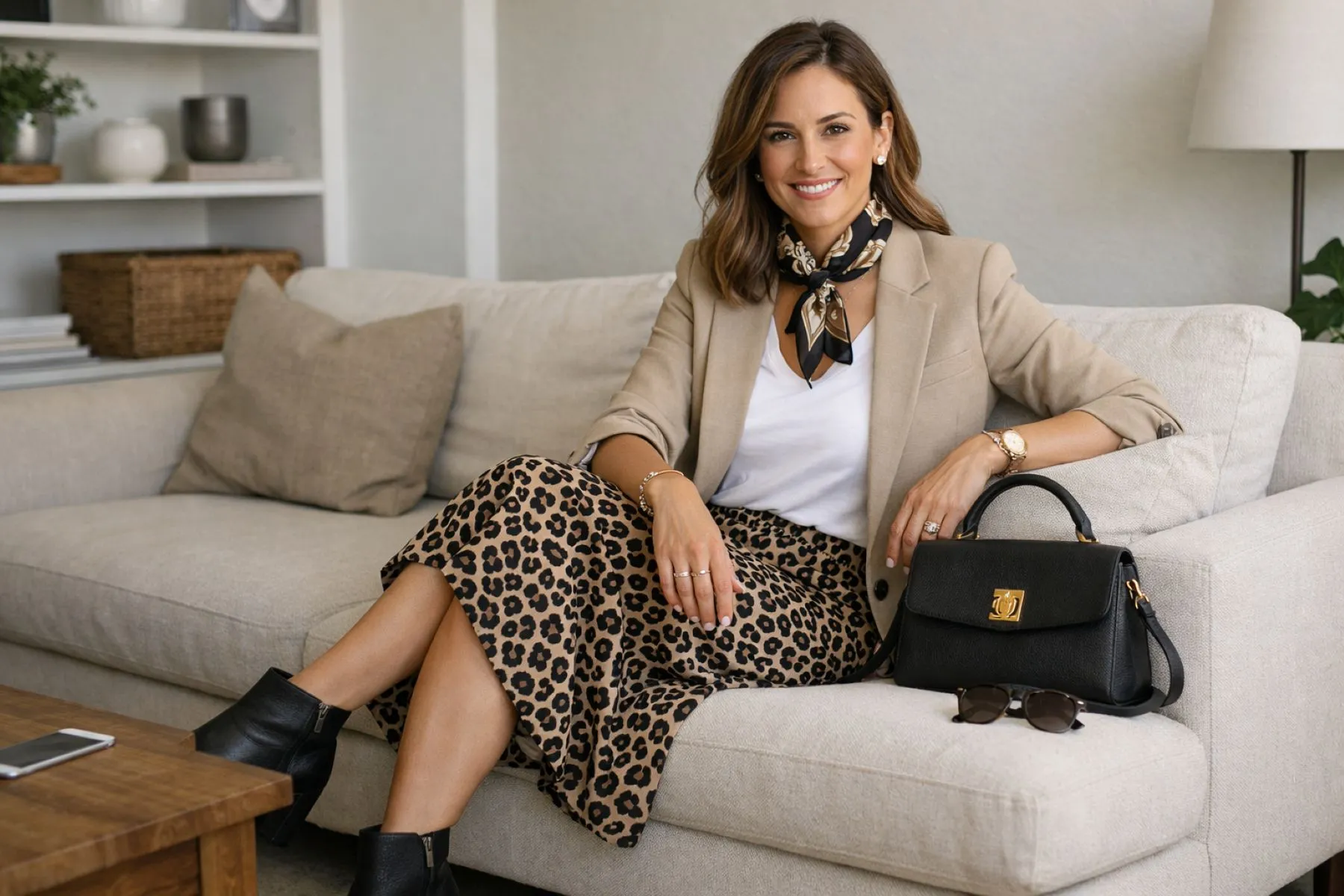
We often hear the old adage that “clothes make the man,” but in the world of modern style, clothing does something far more profound for women. It acts as a silent language—a visual shorthand that communicates our values, moods, and even our deepest traits before we ever utter a word. Every morning, when we reach into our closets, we aren’t just picking out a utilitarian covering; we are curating a public identity that signals our personality through fashion choices.
The concept of expressing personality through fashion choices refers to the psychological connection between an individual’s internal character and their external aesthetic. It suggests that our sartorial preferences—from the textures we crave to the colors we avoid—are not random. Instead, they are reflections of our temperament, social aspirations, and emotional states, offering a fascinating window into how we perceive ourselves and how we wish to be perceived by the world.
Color Palette and Emotional Expression
The colors we gravitate toward are perhaps the most immediate indicators of our current emotional landscape. A woman who consistently chooses vibrant, warm tones like crimson or marigold often radiates high energy and an extroverted spirit. These hues suggest a person who is comfortable being the center of attention and possesses a zest for social engagement.
Conversely, those who stick to a palette of cool blues, forest greens, or soft neutrals often prioritize inner peace and stability. A preference for monochromatic black isn’t necessarily a sign of gloom; rather, it often signals a sophisticated, authoritative personality who values substance over superficiality. These choices act as an emotional barometer, showing whether we are seeking to project power, calmness, or joy.
Fabric Choices and Comfort Levels
The tactile nature of our clothing says a great deal about our sensory relationship with the world. Women who prioritize natural, breathable fibers like silk, linen, and organic cotton often possess a grounded, authentic personality. These individuals tend to value self-care and physical well-being, preferring the honest “feel” of a garment over a trend that might be restrictive or itchy.
On the other hand, a frequent use of structured, heavy fabrics or high-tech synthetics can indicate a person who is highly disciplined and task-oriented. These choices suggest a preference for “armor”—clothing that holds its shape regardless of the day’s chaos. This subtle tug-of-war between softness and structure reflects an internal balance between a desire for comfort and the need for professional resilience.
Minimalist versus Maximalist Jewelry Styles
Jewelry is rarely about utility, which makes it a pure expression of character. A woman who leans toward minimalist gold hoops or a single delicate pendant often possesses a focused, “less is more” mindset. This style reflects a personality that values clarity and efficiency, suggesting someone who is confident enough to let their natural presence do the talking without the need for visual noise.
In contrast, the maximalist who layers chunky necklaces, mismatched rings, and bold statement pieces often has a vibrant, eclectic soul. This approach to accessorizing points to a creative and fearless personality—someone who views life as a canvas and isn’t afraid of being misunderstood. It’s a celebration of complexity and a refusal to be put into a single, tidy box.
Handbag Size and Organizational Habits
The bag a woman carries is effectively her mobile survival kit, and its size reveals her approach to life’s unpredictability. Those who carry large, structured totes are often the “planners” of their social circles. They are prepared for every eventuality, carrying everything from extra chargers to first-aid kits, which points to a nurturing and highly responsible character.
Conversely, the woman who moves through the world with only a tiny clutch or a slim crossbody bag displays a sense of freedom and spontaneity. This choice suggests a person who lives in the moment and trusts that they have everything they need within themselves. It reflects an unburdened personality that prioritizes mobility and ease over the “just in case” mentality.
Shoe Selection and Practical Priorities
Psychologists often joke that you can tell a person’s ambition by their footwear, but the reality is more nuanced. Women who opt for sensible flats or stylish sneakers are often grounded and highly pragmatic. They value the journey more than the destination, signaling a personality that is energetic, approachable, and ready to get to work.
Those who frequently wear high heels or avant-garde footwear may be prioritizing aesthetics and social signaling. This isn’t purely about vanity; it often reflects a high degree of self-assurance and a willingness to endure discomfort for the sake of a specific vision. It shows a goal-oriented individual who understands the power of a commanding physical presence.
Scarf Styling and Creative Flair
The way a woman incorporates a scarf into her outfit is a subtle nod to her creative problem-solving skills. Those who master the art of the scarf often have a “fluid” personality, showing a knack for adaptation and a love for artistic detail. This accessory acts as a bridge between the functional and the decorative. A woman who uses scarves to add a pop of pattern or texture to a plain outfit is often someone who looks for the silver lining in situations, finding joy in small, decorative nuances.
Tailored Fit and Attention to Detail
The fit of a garment is perhaps the loudest “silent” signal of all. A woman who wears perfectly tailored clothing often possesses a meticulous, detail-oriented personality. This suggests a high level of self-respect and a desire for order, showing that she values precision in both her appearance and her professional output.
In contrast, a preference for oversized, flowing silhouettes can signal a more relaxed, bohemian spirit. This style often belongs to individuals who value personal freedom and intellectual space. They aren’t interested in being “hemmed in” by societal expectations, preferring a life that allows for movement and deep breathing.
Print Patterns and Social Confidence
The prints we choose—or avoid—speak volumes about our social boundaries. Bold animal prints, large florals, or geometric patterns are often the hallmarks of a confident, social personality. These women are typically comfortable starting conversations and don’t mind being the focal point of a room.
On the other end of the spectrum, a preference for solid colors or tiny, nearly invisible micro-prints suggests a more reserved and observant nature. These individuals often prefer to listen and analyze before they speak, valuing privacy and subtle sophistication over loud declarations. Their confidence is quiet, found in the quality of the fabric rather than the boldness of the print.
Visible Branding and Status Signaling
The presence or absence of logos is a fascinating indicator of how a person relates to social hierarchy. A woman who wears visible, high-end branding may be expressing a desire for belonging or a celebration of her hard-earned success. It can signal an ambitious personality that values external markers of achievement.
Conversely, those who gravitate toward “quiet luxury”—high-quality items with no visible logos—often have a personality rooted in internal validation. They buy for the quality of the stitch and the heritage of the brand, not the recognition of the crowd. This reflects a secure character that doesn’t feel the need to prove its worth to strangers.
Layering Techniques and Emotional Barriers
Layering is a functional necessity, but it is also a psychological one. A woman who expertly layers cardigans, blazers, and coats often possesses a complex, multi-faceted personality. These layers can act as a form of emotional protection, allowing her to reveal or hide parts of herself as she feels comfortable in different environments.
Those who prefer simple, single-layer outfits are often more transparent and straightforward. What you see is truly what you get. The “layerer,” meanwhile, is often a deep thinker who appreciates nuance and likes to have multiple options at her disposal, reflecting a cautious but prepared approach to social interactions.
Grooming Habits and Self-Discipline
While not strictly a piece of clothing, the way an outfit is maintained—the crispness of a shirt or the absence of lint—is a major tell. High levels of garment maintenance point toward a disciplined, high-functioning personality. It shows a woman who respects her belongings and, by extension, her time and commitments.
A more “lived-in” or slightly rumpled look doesn’t necessarily mean a lack of care; it often indicates a person whose priorities lie elsewhere, perhaps in intellectual pursuits or family life. This reflects a personality that is flexible and perhaps a bit more laid-back, valuing the experience of the day over the perfection of the crease.
Accessory Coordination and Planning Skills
Finally, the level of coordination in an outfit—matching the belt to the shoes or the earrings to the hardware on a bag—is a direct reflection of planning skills. A highly coordinated woman is likely an excellent project manager in her daily life. She enjoys the feeling of a “complete” thought and finds peace in symmetry and logic.
A woman who embraces a “mix-and-match” or slightly clashing aesthetic is often more of a visionary. She sees possibilities where others see rules. This suggests a personality that is adventurous and willing to take risks, proving that fashion is not just about looking good—it’s about the courage to be oneself.
Ultimately, understanding personality through fashion choices reminds us that style is a form of self-care and self-expression. There is no “right” way to dress, only a way that feels most aligned with who you are at your core. When we recognize the patterns in our own closets, we gain a little more insight into our own motivations and strengths.
Our clothes are the story we tell the world without saying a word. Whether you are the woman in the power suit or the one in the vintage floral dress, your choices are a beautiful, intricate map of your character. By embracing these subtle details, we can move through the world with a bit more intention, knowing that every stitch and every color is a celebration of our unique identity.