




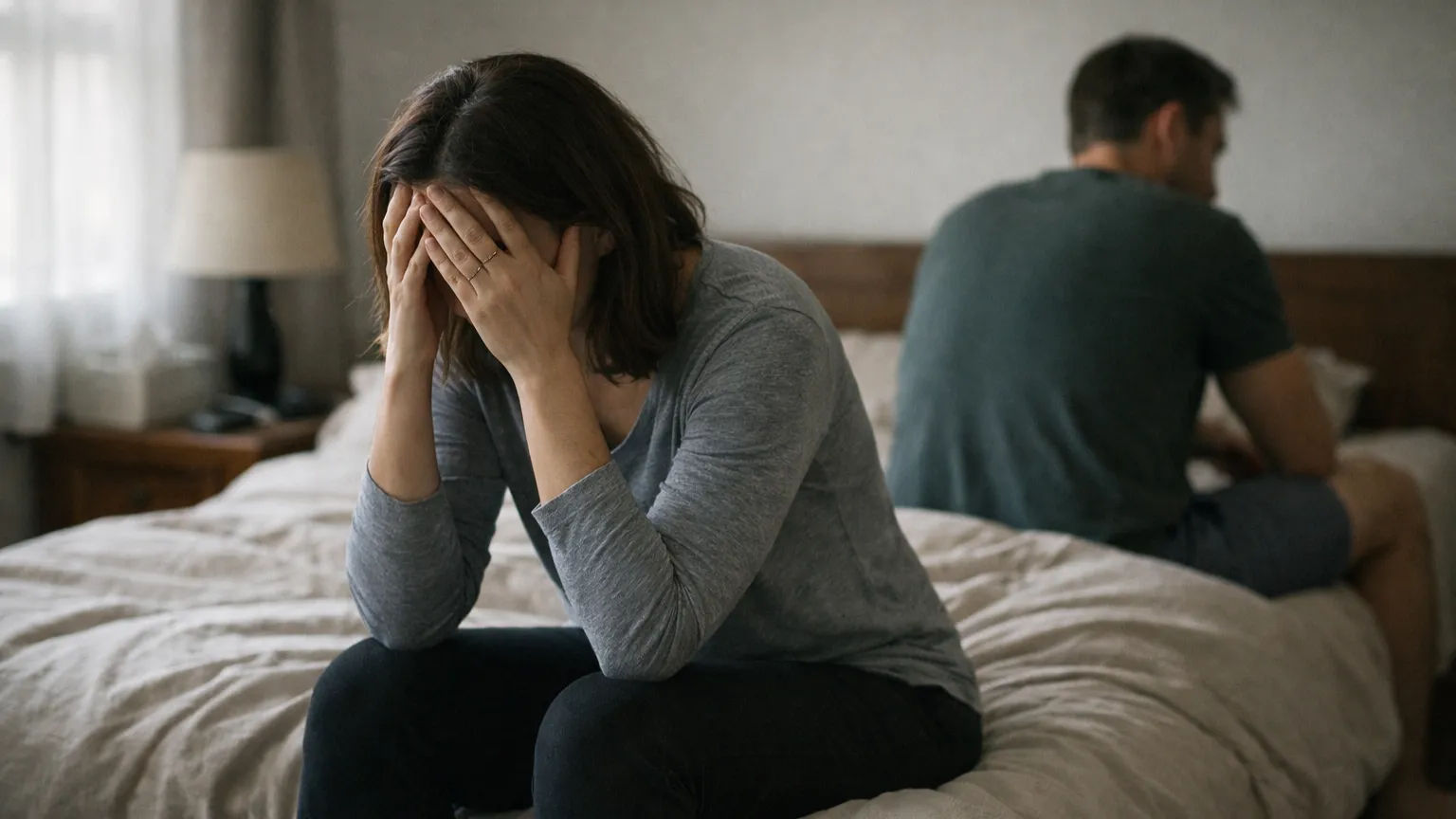
We often think of love as a luxury—a “nice to have” once our basic needs for food, shelter, and security are met. But as we dive deeper into the complexities of human biology and psychology, it becomes increasingly clear that love is not just a poetic sentiment; it is a biological necessity. Just as the body withers without proper nutrition, the human spirit and even our physical systems begin to falter when we experience the chronic effects of love deprivation.
Love deprivation isn’t always about being “single.” It often manifests in the quiet spaces of a long-term relationship where the spark has vanished, or in childhood homes where physical needs were met but emotional ones were ignored. It is the persistent absence of feeling seen, heard, and valued. When we live in this emotional vacuum—or worse, within the toxic confines of an unhealthy relationship—the consequences ripple through our lives, affecting everything from our self-worth to our immune system.
The Silent Weight of the Emotional Void
Love deprivation is a subtle predator. Unlike a physical injury, it doesn’t leave a visible scar, yet it shapes the way we interact with the world. At its core, being love-deprived means living in a state of chronic emotional hunger. We are social creatures by design, and when that social fuel is missing, our psychological “battery” begins to leak.
How do you know if you are truly love-deprived? It often starts with a persistent, gnawing feeling of loneliness that doesn’t go away even when you’re in a crowded room. This isn’t just “boredom”; it is a profound sense of isolation. Over time, this transforms into a diminished sense of self-worth. When we aren’t reflected back to ourselves through the eyes of someone who loves us, we begin to wonder if we are worthy of love at all.
Physical and Mental Effects of Love Deprivation
The impact of emotional neglect isn’t confined to your “feelings.” It actually rewires your brain and alters your body’s chemistry. Chronic lack of love puts the body in a state of low-level, constant stress. When we feel unloved or rejected, our brain’s “alarm system”—the amygdala—is frequently triggered, leading to an increased risk of chronic depression and heightened anxiety.
Beyond the mental toll, the effects of love deprivation include a measurable physical cost. Research in psychoneuroimmunology suggests that people who lack strong emotional bonds have compromised immune systems. Without the “buffer” of love and the oxytocin it produces, our bodies produce more cortisol (the stress hormone). High levels of cortisol over long periods can lead to inflammation, making us more susceptible to illness and slowing down our recovery times.
Furthermore, love deprivation often leads to the development of insecure attachment styles. Those who grow up or live long-term without emotional warmth may become “anxious-preoccupied,” constantly fearing abandonment, or “dismissive-avoidant,” shutting down emotionally to protect themselves from further pain.
The Specific Toll of Emotional Distance
While emotional neglect affects everyone, the effects of love deprivation often manifest in specific ways within romantic dynamics. For many, the absence of emotional intimacy can be devastatingly clear. Intimacy is a holistic experience; it isn’t just about physical closeness, but about the “emotional safety” that allows for vulnerability.
When emotional distance grows, a person often experiences a deep sense of isolation within the relationship. This is the “lonely together” phenomenon. As the emotional bridge crumbles, it’s common to see a sharp decline in libido and sexual desire. It is difficult to want physical closeness with someone who feels like an emotional stranger. This lack of connection eventually turns into resentment, which acts like acid on the foundation of the relationship.
Recognizing the Decay of Unhealthy Relationships
Sometimes, the problem isn’t just a lack of love, but the presence of a “toxic” version of it. An unhealthy relationship is often more damaging than being alone because it keeps you in a state of perpetual fight-or-flight. There are critical markers that suggest a relationship has moved from “difficult” to “decaying.”
The most prominent sign is a persistent lack of mutual respect. When partners stop valuing each other’s opinions, boundaries, or time, the relationship loses its safety net. This is often accompanied by frequent volatile or passive-aggressive conflict. Instead of solving problems, the goal becomes “winning” the argument or hurting the other person. Extreme controlling or possessive behavior is another major red flag.
Navigating the Path Back to Connection
If you recognize yourself in these descriptions, know that the “void” is not your permanent identity. Healing from the effects of love deprivation and unhealthy cycles requires a conscious shift in how you view yourself and your needs.
-
Audit Your Emotional Environment: Take an honest look at your closest circles. Are these people “pouring into your cup,” or are they constantly draining it?
-
Practice Self-Compassion: If you’ve been love-deprived, your internal dialogue is likely harsh. Start treating yourself with the kindness you would offer a friend.
-
Seek “Micro-Connections”: You don’t need a soulmate to start healing. Small, positive interactions—a chat with a neighbor or a laugh with a coworker—can help remind your nervous system that the world is a safe place.
-
Set Firm Boundaries: Learning to say “no” to treatment that hurts you is an act of self-love that begins to repair your self-esteem.
Finding Warmth in the Cold
Love is the light that keeps our internal world from freezing over. Whether it comes from a partner, a friend, a community, or a healthy relationship with yourself, it is the fundamental “nutrient” that allows humans to thrive. The effects of love deprivation and unhealthy relationships are not just “emotional hurdles”—they are significant health risks that deserve your attention.
By acknowledging the psychological and physical toll of being unloved, you give yourself permission to seek something better. You deserve a life where you are seen, where your presence is celebrated, and where your heart is given the room it needs to breathe.





No Response