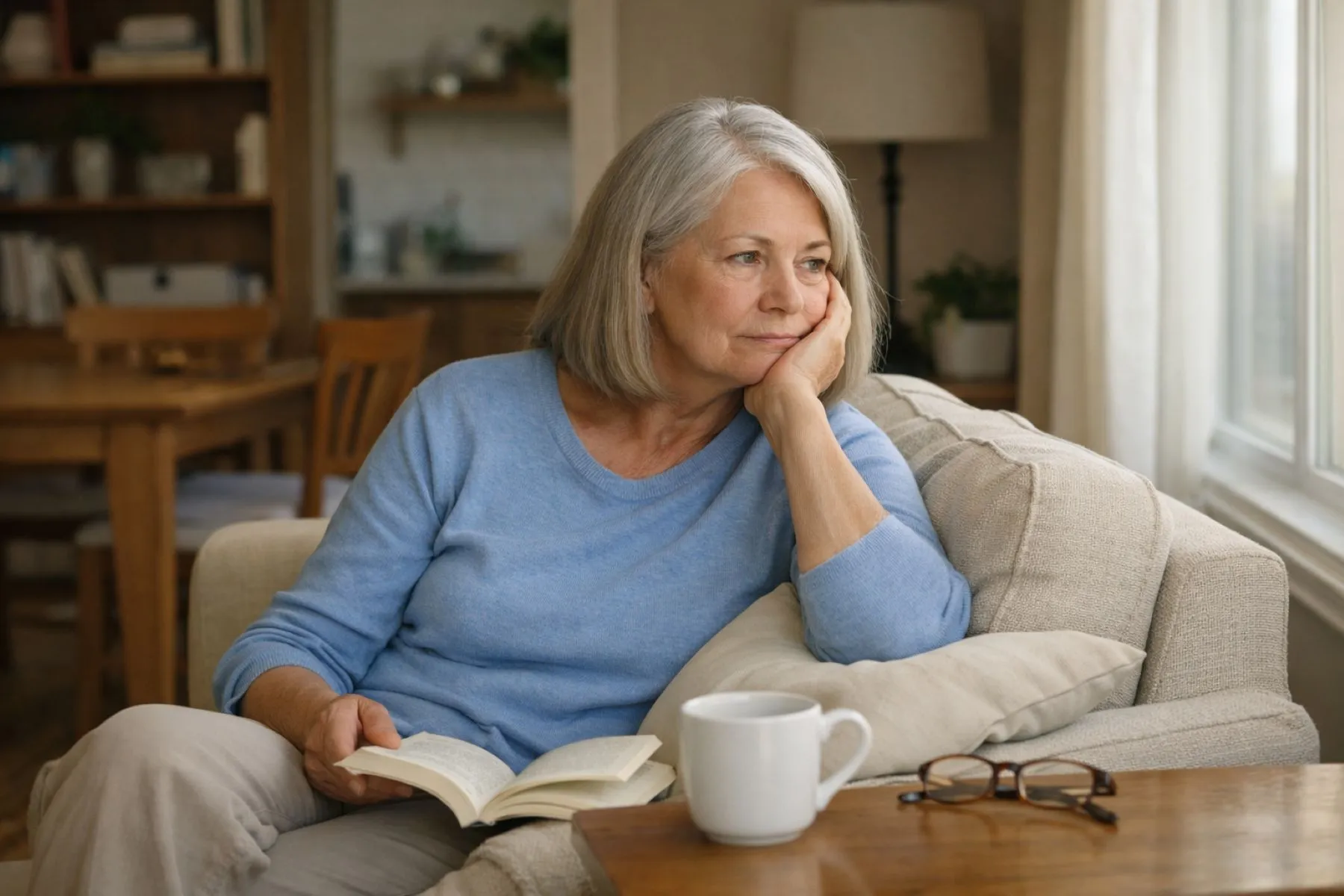
The landscape of modern romance has shifted dramatically over the last decade, and perhaps no demographic has felt this more acutely than women over fifty. For many, the golden years were once envisioned as a time for shared sunsets and companionship. However, a growing number of women are intentionally stepping away from the search for a partner. This phenomenon, often fueled by senior dating burnout, isn’t necessarily a rejection of love itself, but rather a profound pivot toward self-preservation and personal evolution.
When the effort of swiping, meeting, and explaining one’s life history begins to outweigh the joy of a potential connection, many women realize that solitude is not synonymous with loneliness. Instead, they find that a life lived on their own terms offers a level of tranquility that a relationship simply cannot match at this stage of life.
Understanding the Roots of Senior Dating Burnout
To understand this shift, we must first define the exhaustion inherent in the modern landscape. This term describes the emotional and physical fatigue that results from the repetitive, often frustrating process of seeking a romantic partner later in life. Unlike the dating fatigue experienced by younger generations, senior dating burnout is often compounded by a “been there, done that” sentiment. It occurs when the emotional labor required to build a new relationship feels more like a chore than a choice, leading many women to decide that their energy is better spent elsewhere.
1. Prioritizing Emotional and Mental Stability
After decades of navigating the highs and lows of family life, career pressures, and previous relationships, many older women reach a point where emotional equilibrium is their highest priority. The early stages of dating are notoriously volatile, filled with uncertainty and the “will-they-won’t-they” anxiety that can disrupt a carefully cultivated sense of peace.
Choosing to step back from the dating scene allows these women to maintain a consistent emotional baseline. By removing the unpredictable variables of a new partner’s moods or expectations, they create a sanctuary within their own lives. This focus on mental health isn’t about being closed off; it’s about recognizing that a stable, quiet heart is often more valuable than the temporary spark of a new romance.
2. Valuing Newfound Personal Independence Daily
There is a specific, heady kind of freedom that comes with having a home that is entirely one’s own. For many women who have spent years compromising on everything from dinner menus to vacation destinations, the ability to dictate every detail of their daily routine is a revelation. This independence becomes a core part of their identity.
When a woman realizes she can wake up when she chooses, decorate her space exactly as she likes, and spend her time without checking in with anyone else, the prospect of “merging lives” with a partner can feel like a step backward. This daily autonomy is a powerful antidote to senior dating burnout, as it provides a sense of agency that many felt was missing in their younger years.
3. Reducing Chronic Relationship-Induced Stress Levels
It is an uncomfortable but necessary truth that relationships, even good ones, require significant work and can be a source of chronic stress. For older women, the biological and psychological toll of managing someone else’s emotional needs can feel increasingly heavy. From health concerns to family drama, a new partner often brings a new set of stressors into the mix.
By choosing solitude, many women report a significant drop in their daily cortisol levels. They no longer feel the need to “manage” a partner’s ego or navigate the complexities of blended families. This reduction in stress is a form of self-care that promotes physical longevity and mental clarity, making the single life an attractive and healthy alternative to the dating treadmill.
4. Shifting Focus Toward Self-Actualization Goals
The later chapters of life are frequently a time of profound “becoming.” Freed from the primary responsibilities of child-rearing or climbing the corporate ladder, women are finding the space to ask, “Who am I when I’m not being a wife or a mother?” This quest for self-actualization often takes center stage, leaving little room for the time-consuming nature of dating.
Whether it’s returning to university, mastering a new craft, or traveling to places that were previously off-limits, these goals provide a deep sense of purpose. When a woman is deeply engaged in her own growth, the search for a partner often feels secondary. The fulfillment found in personal achievement is often more durable and rewarding than the validation sought through romantic companionship.
5. Escaping Repetitive Gender Role Expectations
Despite modern progress, many traditional gender expectations still linger in the dating world, particularly for the senior generation. Many women find that entering a new relationship often means falling back into the role of the “nurturer” or the “homemaker.” There is a subtle, and sometimes overt, pressure to provide emotional labor and domestic support.
For those who have already spent a lifetime in these roles, the prospect of doing it all over again for a new person can be a primary catalyst for senior dating burnout. Choosing to remain single is a quiet but firm rebellion against these expectations. It allows women to exist simply as individuals, rather than as support systems for someone else, providing a liberating sense of equality with themselves.
6. Finding Fulfillment Through Platonic Connections
One of the greatest misconceptions about singlehood in later life is that it leads to isolation. In reality, many women who abandon dating find that their social lives become richer and more diverse. Without a romantic partner as their primary “plus one,” they invest more deeply in their friendships, community groups, and family ties.
These platonic connections often offer more consistency and less judgment than romantic ones. A circle of close friends provides a robust support network that celebrates a woman’s success and cushions her during hard times without the complications of romantic jealousy or power dynamics. This network of love ensures that while a woman may be “single,” she is far from being alone.
7. Cherishing Uninterrupted Quiet and Privacy
In a world that is increasingly loud and connected, the luxury of true privacy is rare. Many older women have come to cherish the silence of their own homes. This quiet isn’t empty; it’s a space for reflection, reading, and rest. The “noise” of dating—the constant texting, the planning, and the social performances—can feel like an intrusion on this sacred space.
Privacy allows for a level of introspection that is difficult to achieve when another person is constantly present. For many, the ability to close the door and know that no one will disturb their peace is the ultimate form of luxury. This sanctuary of silence becomes a foundation for a contented life, proving that the relationship one has with oneself is, ultimately, the most important one of all.
A New Chapter of Inner Peace
The decision to step away from the dating world is rarely a sudden one; it is usually a gradual realization that the rewards of solitude far outweigh the costs of senior dating burnout. By prioritizing their own mental health, independence, and personal growth, older women are redefining what it means to live a successful and “full” life.
Ultimately, choosing a life of inner peace over the pursuit of romance is an act of self-love. It acknowledges that while companionship is a beautiful thing, it is not a prerequisite for happiness. As more women embrace this path, they find that the most fulfilling relationship they will ever have is the one they have nurtured within themselves—a bond that is steady, enduring, and remarkably peaceful.