






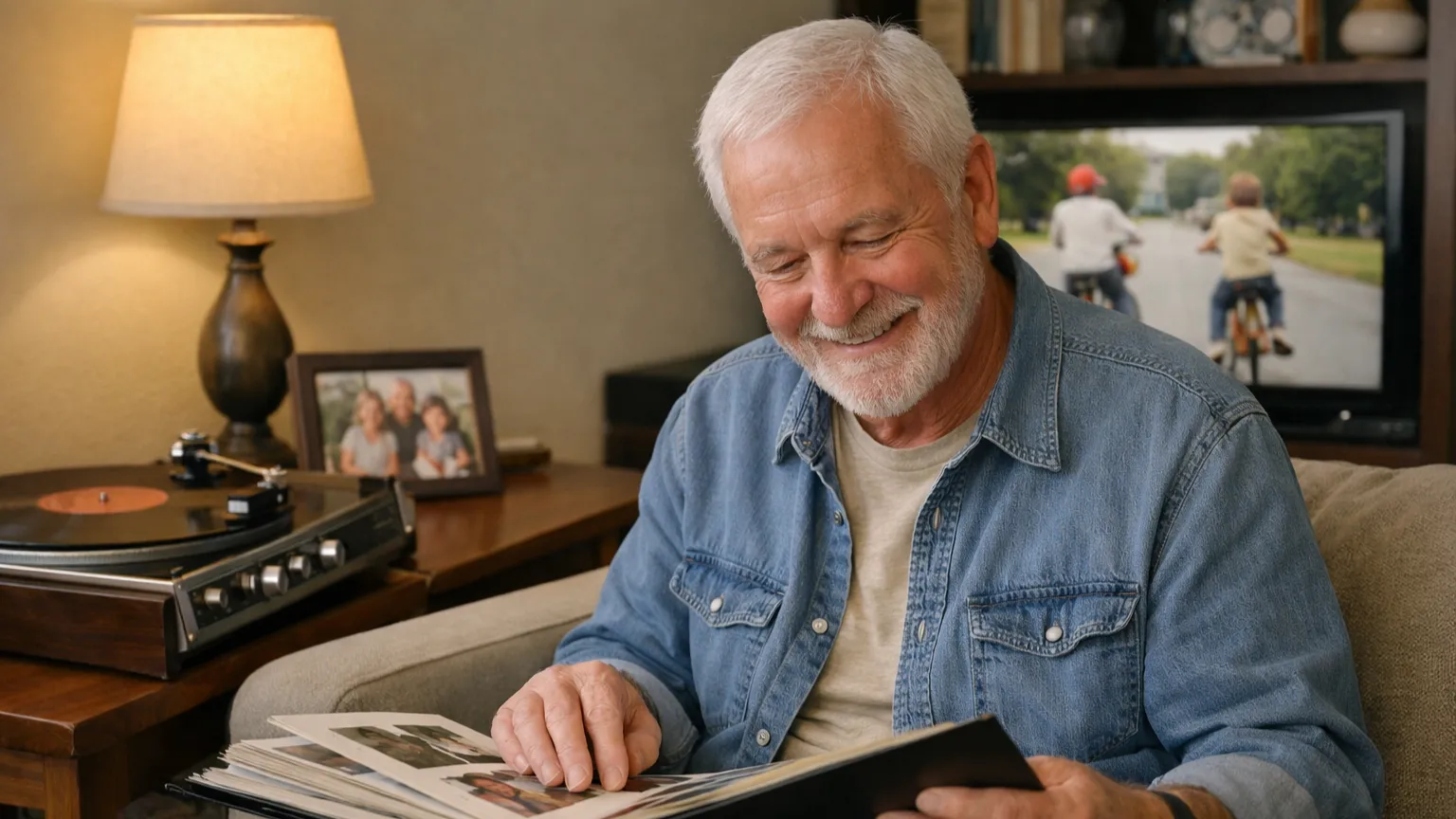
Have you ever caught a faint whiff of a specific perfume in a crowded station or heard the opening chords of a song from your teenage years and felt an immediate, visceral tug at your heart? That bittersweet ache—that peculiar blend of joy and longing—is nostalgia. For a long time, nostalgia was treated as a medical condition, a form of “melancholy” that weakened the spirit. However, modern psychology has flipped the script. We now understand the psychological impact of nostalgia as a sophisticated emotional tool; it acts as a mental “reset button” that helps us maintain a sense of continuity in a rapidly changing world. By looking back, we often find the psychological strength to move forward.
In this exploration, we’re going to dive deep into how nostalgia functions as more than just a trip down memory lane. We’ll look at the specific triggers that spark these feelings, how our relationship with the past evolves as we age, and why “the good old days” seem to shine so brightly in our minds. Whether you’re a young adult navigating a career change or a retiree reflecting on a life well-lived, understanding the psychological impact of nostalgia can help you harness it as a powerful coping mechanism for long-term emotional well-being.
The Texture of Memory: Defining Nostalgia in Daily Life
At its core, nostalgia is a sentimental longing for the past. It isn’t just a dry recollection of facts; it is an affective experience—meaning it carries a heavy emotional charge. Unlike simple memory, nostalgia is sensory. It’s the feeling of the sun on your skin during a childhood summer, not just the knowledge that you went to the beach in 1998. It serves as an internal anchor, reminding us of who we are by showing us where we have been.
What does this actually look like in practice? The beauty of nostalgia is in its mundane triggers. You might find yourself walking through your old childhood neighborhood and noticing how the oak trees have grown. Suddenly, you aren’t just an adult with a mortgage; you’re a ten-year-old on a bicycle. These moments of “autobiographical memory” allow us to bridge the gap between our past and present selves, providing stability when life feels chaotic.
Music and the Psychological Impact of Nostalgia
Music is perhaps the most universal “time machine” we have. A single vintage track can bypass our logical brain and trigger an instant emotional response, transporting us to a high school dance or a long-lost road trip. Similarly, the “Proustian moment”—named after the writer Marcel Proust—describes how a specific smell, like a family recipe simmering on the stove, can unlock a floodgate of dormant memories. Whether it’s browsing through a dusty photo album or re-watching a classic film, these acts aren’t just “living in the past.” They are ways of reaffirming our identity and strengthening our social connections.
A Lifelong Companion: Does Nostalgia Have an Age?
There is a common misconception that nostalgia is reserved solely for the elderly. In reality, it is a lifelong companion that visits us at every stage of development. While the content of our memories changes as we grow, the psychological impact of nostalgia remains remarkably consistent: it helps us navigate difficult life transitions.
Even young children experience a form of longing for the safety of home. As we move into early adulthood, nostalgia often peaks. This is a period defined by massive upheaval—leaving home and starting careers. During these “quarter-life” transitions, looking back at the perceived simplicity of childhood provides a necessary emotional cushion against the pressures of adult responsibility.
The Reminiscence Bump: Why Certain Memories Stick
If you ask an 80-year-old to tell you the most important stories of their life, they likely won’t focus on what happened when they were 45. Instead, they gravitate toward events that occurred between the ages of 10 and 30. Psychologists call this the “Reminiscence Bump.” It is a fascinating phenomenon where older adults have an enhanced, crystal-clear memory for events that took place during their youth.
Why does this happen? The years between 10 and 30 are our “identity-forming” years. Because these events are so instrumental in defining who we are, our brains “tag” them as high-priority. The psychological impact of nostalgia here provides a profound source of comfort; when the present feels unfamiliar, being able to vividly recall the vigor of one’s youth can significantly boost self-esteem and personal history.
Nostalgia as a Survival Tool: How We Cope
For many, especially in the later stages of life, nostalgia is a proactive coping strategy. Rather than a passive retreat from reality, it is an active engagement with one’s own legacy. One of the most common ways people manage the psychological impact of nostalgia is through legacy storytelling. By sharing “how things used to be” with younger generations, they ensure their values and wisdom live on.
Social connection plays a massive role here as well. Community reunions and long-term friendship bonds allow people to validate their memories with others. This collective nostalgia reinforces social bonds and reduces the feeling of isolation. By teaching a skill they learned decades ago, an individual connects their past mastery to a current purpose, turning a “longing for the past” into a “celebration of the journey.”
Practical Ways to Harness the Power of Nostalgia
Nostalgia shouldn’t be a trap; instead, it should be fuel. Here are a few ways to use it as a positive force:
-
Create a “Memory Trigger” Playlist: Listen to music from a period when you felt confident. The neurological shift can help lower cortisol levels.
-
Practice “Reflective Journaling”: Write about the past, focusing on what those memories taught you.
-
Share the Story: Tell your children or friends about a specific moment. This transforms a solitary feeling into a shared connection.
-
Use Visual Cues: Keep meaningful mementos in your workspace to provide a quick sense of identity and calm.
The Bridge Between Two Worlds
Ultimately, the psychological impact of nostalgia serves as the bridge between the person we were and the person we are becoming. It is a testament to the richness of the human experience—a reminder that our lives are a continuous, meaningful narrative. While it’s important to stay grounded in the present, there is no harm in occasionally visiting the past to draw strength from the versions of ourselves that survived, thrived, and loved.






No Response