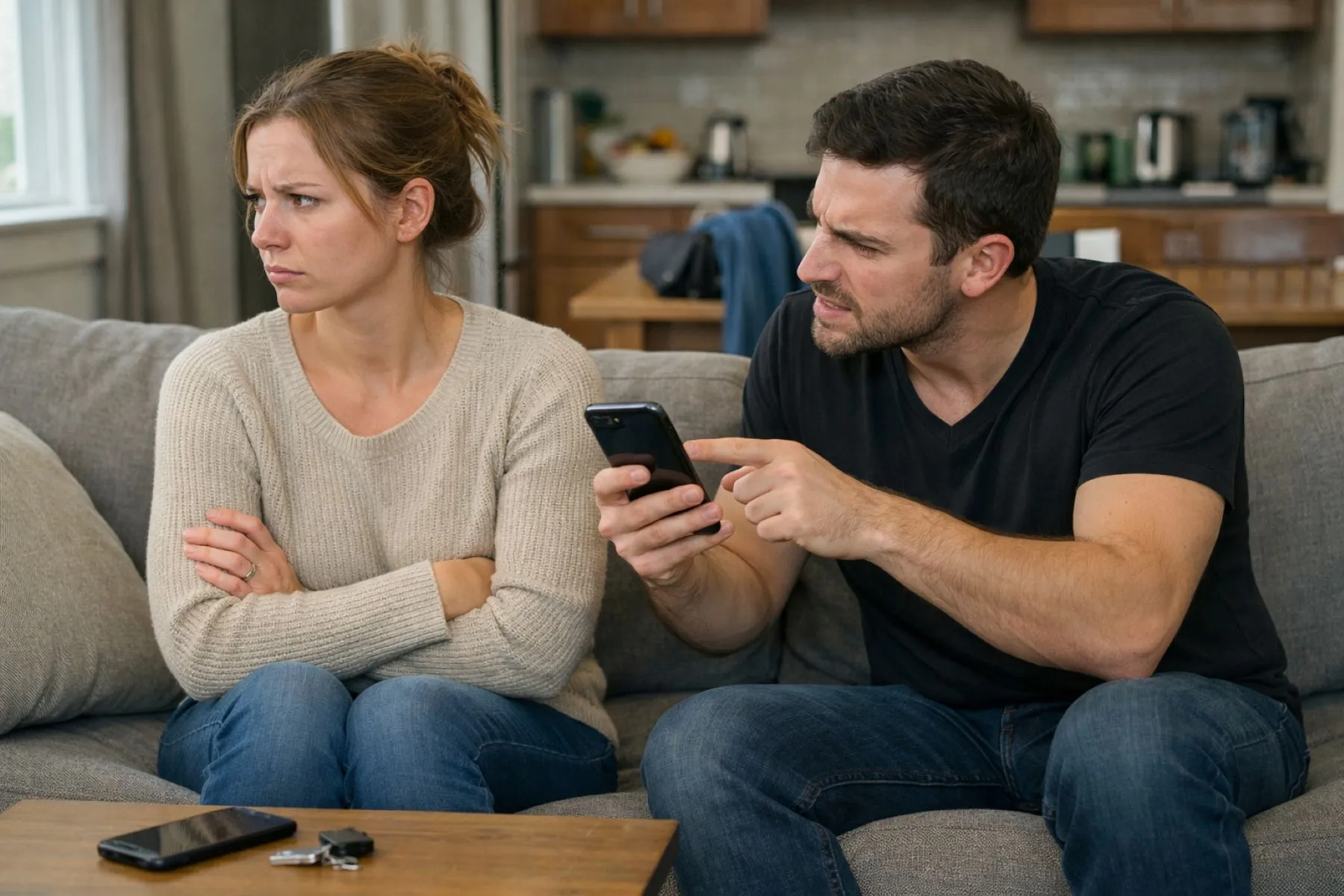
The early stages of a relationship are often filled with a sense of excitement and discovery. This period, commonly known as the honeymoon phase, is a time when we tend to focus on the chemistry and shared interests that bring us together. However, it is also the most critical window for identifying toxic relationship red flags and observing how a partner treats others while respecting your individuality. While it is natural to want to see the best in someone, staying grounded and observant can help you build a foundation based on mutual respect rather than future heartache.
Understanding these warning signs is not about being cynical or looking for reasons to leave. Instead, it is about developing a healthy sense of discernment. A red flag is essentially a signal that suggests a pattern of behavior might become harmful or emotionally draining over time. By recognizing these indicators early, you empower yourself to make informed decisions about who you allow into your inner circle and how much of your heart you are willing to share.
Defining the Nuances of Toxic Relationship Red Flags
Before diving into specific behaviors, it is helpful to understand what we mean by a “red flag.” In the context of dating, toxic relationship red flags are behaviors that signal a lack of empathy, a need for control, or an inability to manage emotions in a healthy way. Unlike a simple “ick” or a difference in preference, these signs usually point to a deeper issue regarding how a person views boundaries and partnership. Recognizing these patterns early is a form of self-care that ensures your emotional well-being remains a priority.
Monitoring and Excessive Location Checking
In our hyper-connected world, sharing your whereabouts can sometimes be a matter of convenience or safety. However, when a partner insists on knowing your exact location at all times, it often transcends care and enters the territory of surveillance. This behavior usually stems from a lack of trust or a deep-seated need for control. A healthy relationship flourishes on the assumption of honesty; if someone feels the need to track your every move digitally, it suggests they may not respect your autonomy or your right to a private life.
Frequent Disrespectful Comments About Exes
How a person speaks about their past can be a powerful mirror for how they might eventually treat you. While everyone has had difficult breakups, a consistent pattern of labeling every former partner as “crazy” or “toxic” is among the more common toxic relationship red flags. This narrative often reveals an inability to reflect on one’s own role in a conflict. If everyone in their past is the villain, it is likely only a matter of time before you are cast in that same role when the first disagreement arises.
The Intense Pressure to Move Too Quickly
There is a beautiful intensity to new love, but there is a distinct difference between passion and pressure. If a partner is pushing for a serious commitment, moving in together, or saying “I love you” within the first few weeks, it may be a sign of “love bombing.” This tactic is often used to create an intense emotional bond before the other person has a chance to see any flaws. A healthy connection needs room to breathe and time to grow naturally without the weight of forced milestones.
A Dismissive Attitude Toward Personal Boundaries
Boundaries are the invisible lines that define where you end and another person begins. They are essential for any functional partnership. If you express a need for a night alone or mention that you aren’t comfortable with a certain topic of conversation, and your partner ignores or mocks that request, they are showing you that your comfort is secondary to their desires. Over time, this dismissal can erode your sense of self and leave you feeling unheard in your own relationship.
Consistent Patterns of Dishonest Behavior
Trust is the currency of intimacy, and it is easily spent but difficult to earn back. Small “white lies” in the beginning might seem harmless, such as lying about their age, their job, or their weekend plans. However, these small deceptions often point to a broader character trait. If a person is comfortable being dishonest about the little things to avoid discomfort, they will likely find it even easier to hide significant truths as the relationship progresses.
Subtle Attempts to Isolate You From Friends
Isolation rarely starts with a demand to stop seeing people; it usually begins with subtle, negative comments. A partner might suggest that your best friend is a “bad influence” or complain that you spend too much time with your family. By slowly planting seeds of doubt about your support system, an unhealthy partner makes you more dependent on them for emotional validation. Maintaining outside connections is vital for a balanced life and a clear perspective on your relationship.
Sudden Outbursts and Poor Emotional Regulation
Everyone gets frustrated, but the way that frustration is expressed matters immensely. If a partner reacts to minor inconveniences—like a wrong food order or a traffic jam—with disproportionate rage, it is a significant warning sign. These outbursts can feel startling and may lead you to “walk on eggshells” to avoid triggering them. A safe partner is someone who can handle life’s inevitable stressors without taking their anger out on the world or on you.
A Heavy Reliance on Emotional Manipulation
Manipulation is often quiet and takes the form of guilt-tripping or playing the victim. If you find that every time you bring up a concern, the conversation shifts to how much they are hurting, you are likely dealing with one of several toxic relationship red flags. This tactic shifts the focus away from their behavior and onto your reaction, effectively silencing your needs. Healthy communication involves both partners taking turns listening and validating each other’s experiences without shifting blame.
The Refusal to Accept Personal Accountability
A cornerstone of maturity is the ability to say, “I messed up, and I’m sorry.” In an unhealthy dynamic, you might notice that your partner always has an excuse for their behavior. Whether it was a stressful day at work or a misunderstanding of what you said, the blame is always placed elsewhere. When someone refuses to take responsibility, growth becomes impossible because they cannot acknowledge the areas where they need to improve.
One-Sided Effort in Communication Habits
Communication should feel like a game of catch, where the ball is tossed back and forth with equal interest. If you are always the one initiating texts, planning dates, or asking how their day was, the relationship is fundamentally unbalanced. This lack of reciprocity can leave you feeling drained and undervalued. You deserve a partner who is just as curious about your inner world as you are about theirs.
Passive-Aggressive Responses to Minor Conflicts
Direct communication is the healthiest way to resolve issues, but some people prefer the “silent treatment” or making snide remarks. Passive-aggression is a way of expressing anger without taking the risk of a real conversation. It creates a confusing environment where you know something is wrong, but the other person refuses to address it openly. This cycle prevents genuine resolution and builds a wall of resentment between partners.
Intense Jealousy Over Harmless Interactions
While a small amount of jealousy is human, intense or irrational jealousy is a significant concern. If a partner becomes upset because you spoke to a coworker or smiled at a waiter, it suggests a deep insecurity that they are projecting onto you. This behavior often leads to restrictive rules and a lack of freedom. Trust should be the default setting in a relationship, not something you have to prove every single day.
Making Derogatory Jokes at Your Expense
Humor is a wonderful way to bond, but it should never be used as a weapon. If a partner frequently makes fun of your insecurities, your career, or your hobbies under the guise of “just joking,” it is a form of verbal belittling. When you speak up and they tell you that you’re “too sensitive,” they are further dismissing your feelings. A supportive partner uses humor to lift you up, not to chip away at your self-esteem.
Ignoring Your Expressed Needs and Feelings
In the early dating phase, both people should be on their best behavior, which includes being attentive to each other’s needs. If you clearly communicate that you need more communication or a specific type of support, and those needs are consistently ignored, it is a sign of emotional neglect. A relationship cannot thrive if only one person’s needs are being met; it requires a mutual commitment to each other’s happiness and comfort.
Monitoring Your Private Digital Activities
Respect for privacy is a fundamental aspect of trust. If a partner asks for your social media passwords or looks through your phone when you leave the room, they are violating a boundary. This behavior is often excused as “having nothing to hide,” but the issue isn’t the content of your messages—it’s the lack of respect for your digital space. Everyone is entitled to a level of privacy, even in the closest of relationships.
Internal Feelings: Drastic Mood Swings and Constant Anxiety
One of the most telling toxic relationship red flags isn’t a specific action, but rather how you feel inside. If you find yourself experiencing constant anxiety or “waiting for the other shoe to drop” because of your partner’s unpredictable moods, your body is sending you a message. A healthy relationship should feel like a safe harbor, providing a sense of peace and stability. If your partner’s emotional state fluctuates wildly, leaving you exhausted, it may be time to reassess the impact the relationship is having on your mental health.
Choosing Peace and Clarity in Your Journey
Recognizing these toxic relationship red flags is a courageous first step toward ensuring you find a love that is both fulfilling and safe. While it can be painful to acknowledge these signs in someone you care about, doing so allows you to protect your future self from unnecessary pain. Remember that you are worthy of a relationship characterized by kindness, consistency, and genuine respect.
By staying aware and trusting your intuition, you can navigate the dating world with confidence. Not every red flag means a person is inherently “bad,” but it does mean they may not be in a place where they can offer you the healthy partnership you deserve. Prioritizing your well-being isn’t selfish—it’s the only way to ensure that when you finally find the right person, you are whole, happy, and ready to build something beautiful together.