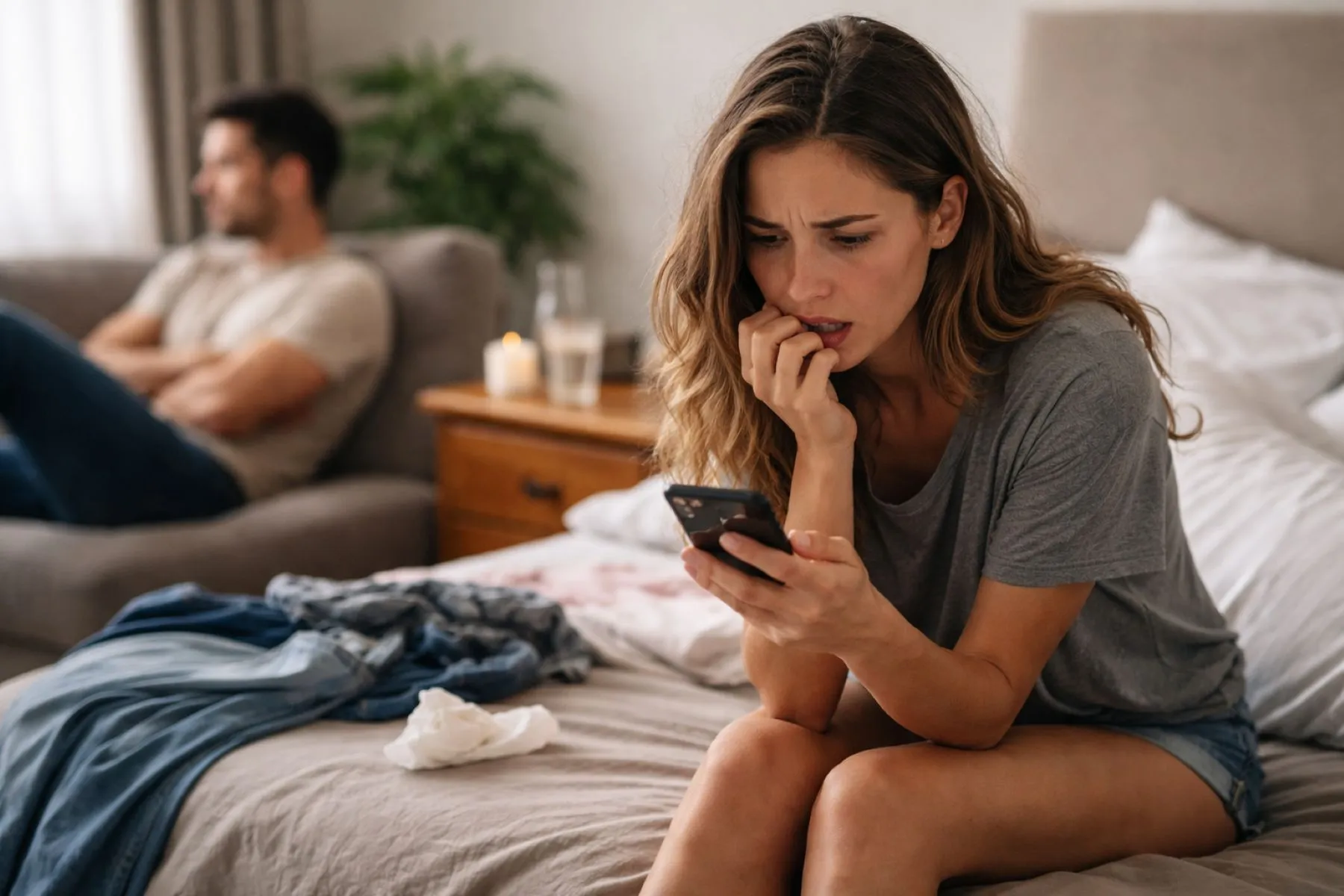
We are often taught that love should be “all-consuming.” From the sweeping romances of silver-screen cinema to the lyrics of chart-topping ballads, we are fed a steady diet of the idea that true love is a whirlwind that takes over our entire lives. But there is a thin, often blurry line between the passionate devotion of a healthy relationship and the frantic, hollow pull of love addiction. While healthy affection acts as a steady foundation that empowers us to be our best selves, a compulsive attachment functions more like a chemical dependency, leaving us feeling breathless, anxious, and ultimately depleted.
At its core, love addiction—also known as pathological love—is an emotional attachment style where a person becomes compulsively preoccupied with the “high” of romantic interest. It isn’t actually about the other person; it is about the way that person makes the addict feel, or the void they temporarily fill. Understanding this distinction is vital because mistaking obsession for intimacy can lead to a cycle of toxic relationships, lost identity, and deep emotional exhaustion.
The Nature of the Romantic High
To understand the mechanics of this condition, we have to look at how it mirrors substance abuse. When we fall in love, our brains are flooded with dopamine and oxytocin. In a healthy scenario, this initial “honeymoon phase” eventually transitions into a stable, long-term attachment. For someone struggling with love addiction, however, they become hooked on that initial surge of neurochemicals.
They aren’t looking for a partner; they are looking for a “fix.” This creates a narrative where the relationship becomes the center of the universe, and everything else—career, friendships, and self-care—slowly fades into the background. We often mask this struggle with labels like “being a hopeless romantic,” but these terms can hide a deeper issue with self-worth and emotional regulation.
12 Warning Signs You Are Experiencing Love Addiction
Recognizing these signs requires a high degree of honesty and self-compassion. This behavior is often a coping mechanism developed early in life, but it doesn’t have to be your permanent reality.
-
The Constant Need for External Validation: In a healthy relationship, praise is a bonus. In the cycle of addiction, it is a survival requirement. Your self-esteem becomes a mirror image of your partner’s current opinion of you.
-
Neglecting Personal Responsibilities and Goals: You may notice your work projects or hobbies evaporate. The “we” completely swallows the “I,” leading to a loss of personal ambition.
-
An Intense, Paralyzing Fear of Being Alone: Solitude feels like a physical threat rather than a time for reflection. This fear often drives people to stay in deeply unhappy or even abusive environments.
-
Obsessive Monitoring of Partner Activities: Constantly checking “last seen” statuses or social media followers is a hallmark of love addiction. This stems from a compulsive need to ensure your “source” isn’t leaving.
-
Rapidly Moving Between Romantic Relationships: The “serial monogamist” often seeks the feeling of falling in love rather than the person. There is rarely a mourning period between breakups; only a search for a replacement.
-
Using Romance to Escape Emotional Pain: Just as one might reach for a bottle to forget a bad day, an addict reaches for romance to numb feelings of depression, anxiety, or past trauma.
-
Sacrificing Personal Values for Others: You might find yourself adopting your partner’s views or tolerating behaviors you once swore you never would, all to keep them near.
-
Extreme Mood Swings Based on the Relationship: A minor disagreement feels like the end of the world. This volatility is a sign that the relationship has become your entire life rather than just a part of it.
-
Ignoring Clear Relationship Red Flags: This condition acts like a blindfold. You rationalize lies or toxic behaviors to protect your emotional “high” at the expense of your safety.
-
Feeling Incomplete Without a Partner: If you feel like a partial human being when single, you may be looking for a prosthetic for your soul rather than a genuine connection.
-
Mistaking Intense Drama for Passion: Many people confuse the “push-pull” dynamic and screaming matches for deep passion. In reality, that “spark” is often just a stressed nervous system.
-
Withdrawing from Friends and Family: As the relationship consumes your energy, other support systems wither. This isolation makes the love addiction even stronger, as you have no one else to turn to for perspective.
Moving Toward Healing and Healthy Affection
If these points resonate with you, the first thing to know is that you aren’t “broken.” Breaking the cycle requires a shift in focus from the “other” to the “self.” One effective practical tip is to embrace “planned solitude,” intentionally spending time alone to rediscover who you are outside of someone else’s gaze.
Therapy can also be an incredible tool, particularly modalities like Cognitive Behavioral Therapy (CBT), which help you identify the core beliefs that fuel the addictive cycle. Another powerful strategy is to practice “slow dating.” By slowing down the physical and emotional pace, you allow your brain to build a foundation of genuine friendship rather than a tower of chemical obsession.
Choosing Presence Over Preoccupation
True, healthy affection is quiet. It doesn’t demand your total surrender or require you to disappear. It is a slow-burning fire that provides warmth and light, allowing you to see the rest of your world more clearly. Love addiction, by contrast, is a wildfire—it is bright and intense, but it eventually leaves nothing but ash in its wake.
By recognizing these twelve warning signs, you are taking the first step toward a much more fulfilling version of intimacy. As you begin to heal your relationship with yourself, the need for a “fix” will fade, replaced by the steady, beautiful reality of authentic connection.