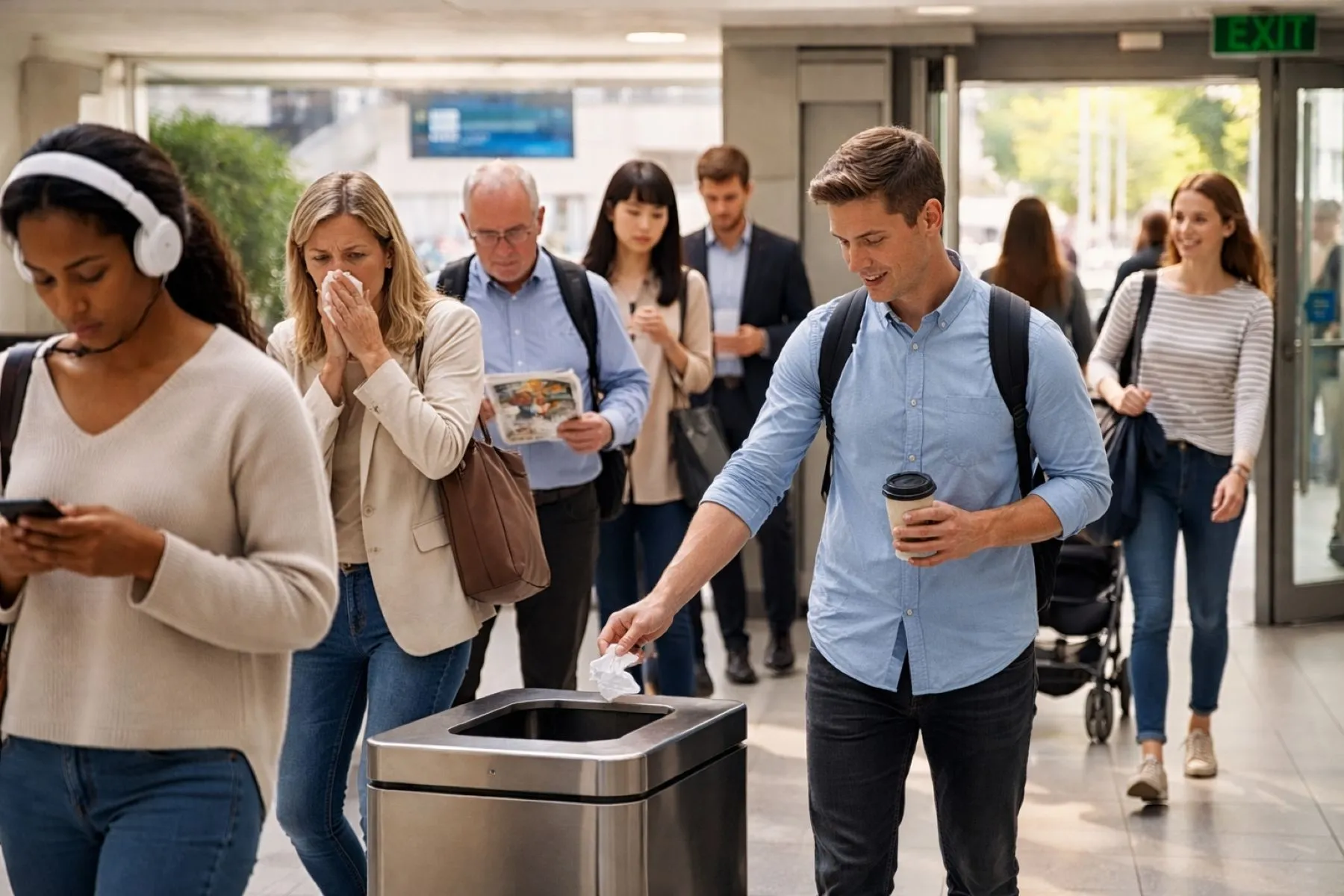
Navigating the modern world requires more than just technical skills or a polished resume. Often, the silent signals we send through our behavior in shared spaces speak louder than any introduction. Whether you are grabbing a coffee before a big meeting or commuting across the city, the way you interact with your surroundings defines your social intelligence. Mastering public etiquette isn’t about following rigid, outdated rules; it’s about fostering a sense of mutual respect that makes life smoother for everyone. When we prioritize these subtle social graces, we not only make the world a bit kinder but also significantly boost our own personal brand and professional standing.
Understanding the Essence of Public Etiquette
At its core, public etiquette is the set of unwritten rules that govern how we behave in communal spaces. It serves as a social lubricant, reducing friction between strangers and ensuring that shared environments—from parks to office lobbies—remain functional and pleasant. While some might view etiquette as a formality, it is actually deeply rooted in empathy. It involves being mindful of how our actions, noises, and physical presence impact the people around us. In a professional context, demonstrating high-level social awareness signals to peers and leaders that you are observant, disciplined, and respectful of others’ boundaries.
1. Maintain Appropriate Personal Physical Space
Respecting personal space is one of the most fundamental aspects of social harmony. We all carry an invisible “bubble” around us, and when someone enters it uninvited, it can trigger a natural stress response. In professional or public settings, being mindful of this distance shows that you are sensitive to others’ comfort levels.
Try to maintain at least an arm’s length of distance during conversations or while standing in line. This practice is especially important in crowded areas where people may already feel a bit overwhelmed. By giving others room to breathe, you project an image of a composed and considerate individual who understands social cues.
2. Practice Low Voice Volume Communication
Sound travels much further than we often realize, especially in enclosed spaces like cafes or libraries. Engaging in high-volume conversations can be disruptive to those trying to work or relax nearby. Practicing a modulated, lower voice volume is a hallmark of a sophisticated communicator.
When you speak at a moderate level, you ensure that your private business stays private while keeping the environment peaceful. It demonstrates that you are aware of your surroundings and that you don’t feel the need to dominate the space. This subtle adjustment in your delivery can make you appear much more approachable and professional.
3. Use Headphones for Personal Audio
In our digital age, it is tempting to catch up on a podcast or watch a quick video while waiting in public. However, playing audio through speakers in a shared space is generally considered a significant breach of public etiquette. What might be entertaining to you can be a distraction or even an annoyance to someone else.
Always keep a pair of headphones handy for your personal media needs. Using them shows that you value the collective peace of the environment over your immediate convenience. It is a small gesture that reflects a high level of digital citizenship and respect for the shared sensory experience of a room.
4. Respect Public Transport Seating Priority
Public transportation is a microcosm of society where etiquette is put to the test daily. One of the most impactful things you can do is remain vigilant about priority seating. These spots are specifically designated for the elderly, pregnant individuals, or those with disabilities who may find standing difficult or even dangerous.
Offering your seat before being asked is a powerful display of character. It shows that you are looking outward rather than being buried in your phone. This proactive kindness not only helps someone in need but also sets a positive example for everyone else in the carriage, reinforcing a culture of care.
5. Mind Proper Door Holding Etiquette
Holding a door is a classic gesture that never goes out of style. It takes only a second of your time but communicates a great deal about your upbringing and attention to detail. If someone is walking a few paces behind you, catching the door for them is a simple way to acknowledge their presence.
This isn’t just about chivalry; it’s about communal flow. If you see someone approaching with heavy bags or a stroller, stepping aside to hold the door open is an act of genuine utility. It builds a momentary bridge of goodwill between strangers and marks you as someone who is helpful and alert.
6. Avoid Blocking High Traffic Walkways
There is a specific rhythm to movement in public spaces, and standing in the middle of a busy sidewalk or at the top of an escalator can disrupt that flow entirely. If you need to check your map, take a phone call, or tie your shoelace, it is best to step to the side.
By keeping the “traffic lanes” clear, you show respect for other people’s time and schedules. This awareness of physical flow is particularly important in professional hubs where people are often moving between meetings. Being the person who doesn’t block the way characterizes you as someone who is efficient and mindful of the bigger picture.
7. Practice Discreet Mobile Phone Usage
While our phones are essential tools, they can also be significant barriers to etiquette. Taking loud calls in quiet areas or constantly looking at your screen while interacting with service staff can come across as dismissive. When in public, try to keep your phone usage as discreet as possible.
If you must take a call, consider moving to a more private area or keeping the conversation brief. Making eye contact and putting your phone away when speaking to a cashier or a colleague shows that you value the human interaction happening in the moment. This level of presence is a rare and respected trait in today’s distracted world.
8. Cover Mouth When Coughing Publicly
Health and hygiene have become central to our collective consciousness. Covering your mouth and nose with your elbow or a tissue when you cough or sneeze is no longer just a suggestion; it is an essential part of public etiquette. It shows that you are responsible and concerned for the well-being of those around you.
Following this simple habit prevents the spread of germs and reassures those in your vicinity. It is a fundamental sign of maturity and civic duty. Maintaining this standard of hygiene, especially in professional environments, signals that you are a reliable and considerate member of any team.
9. Follow Orderly Queuing Line Procedures
The queue is perhaps the ultimate test of a society’s patience and fairness. Whether you are waiting for a train or a morning bagel, respecting the line is vital. Attempting to cut ahead or “space-save” for a large group can lead to unnecessary tension and conflict.
Waiting your turn with patience demonstrates self-discipline and a respect for the “first-come, first-served” principle that keeps society organized. If a line is confusing, asking politely where it starts rather than assuming a spot shows a high level of social grace. It proves that you value fairness as much as your own time.
10. Dispose Waste in Designated Bins
The way we treat our physical environment reflects how we view our community. Leaving trash behind on a park bench or a cafe table is a clear sign of entitlement. Taking the extra few steps to find a trash or recycling bin is a small effort that yields a significant collective benefit.
Keeping public spaces clean is a shared responsibility. When you take care of your waste, you are essentially saying that you value the space for the next person who uses it. This habit of “leaving it better than you found it” is a trait highly prized in both personal friendships and professional partnerships.
11. Refrain From Offensive Body Language
Our bodies often speak before we do. Crossing your arms tightly, rolling your eyes, or sighing loudly while waiting can create a negative atmosphere without a single word being spoken. Being aware of your non-verbal cues is a key part of maintaining a professional image in public.
Aim for a posture that is open and neutral. Even if you are feeling frustrated by a delay or a crowd, maintaining a calm exterior prevents the escalation of stress in the environment. A relaxed, pleasant expression makes you seem more confident and in control, which are vital components of a strong personal reputation.
12. Practice Punctuality for Scheduled Appointments
Time is the most valuable resource we have, and being punctual is the ultimate way to show you respect it. Whether it is a lunch date with a friend or a formal business meeting, arriving on time—or a few minutes early—sets a tone of reliability and professionalism.
When you are late, it sends a message that your time is more important than theirs. Conversely, being on time builds trust and shows that you are organized and dependable. If an unavoidable delay occurs, a quick message to let the other party know is a necessary courtesy that can salvage your reputation even in a difficult situation.
Mastering the nuances of public etiquette is an ongoing journey of self-awareness. It isn’t about being perfect; it’s about being present. When we take the time to lower our voices, hold the door, or respect a queue, we are contributing to a more empathetic and functional society. These small acts of consideration ripple outward, often influencing others to act with similar kindness.