The concept of resilience is often discussed in modern psychology as a skill to be developed, yet for many, Baby Boomer resilience was a natural byproduct of the era they helped shape. Born into a world undergoing rapid transformation between the mid-1940s and mid-1960s, this demographic learned early on that stability isn’t a given; it is something built through persistence. Exploring the roots of this endurance offers more than just a history lesson; it provides a roadmap for navigating the complexities of our current fast-paced world with a bit more grace and grit.
Defining Baby Boomer Resilience in a Modern Context
Before we dive into the specific traits that define this generation, it is helpful to understand the underlying mechanics of Baby Boomer resilience. In a professional and sociological sense, this refers to the unique set of coping mechanisms and psychological strengths developed by individuals born during the post-World War II period.
This characteristic is defined by a “roll up your sleeves” attitude, a high tolerance for discomfort, and a communal approach to overcoming adversity. Unlike the digital-first flexibility of younger generations, this seasoned strength is rooted in physical presence, tangible problem-solving, and long-term endurance.
1. The Strength of Neighborhood Bonds
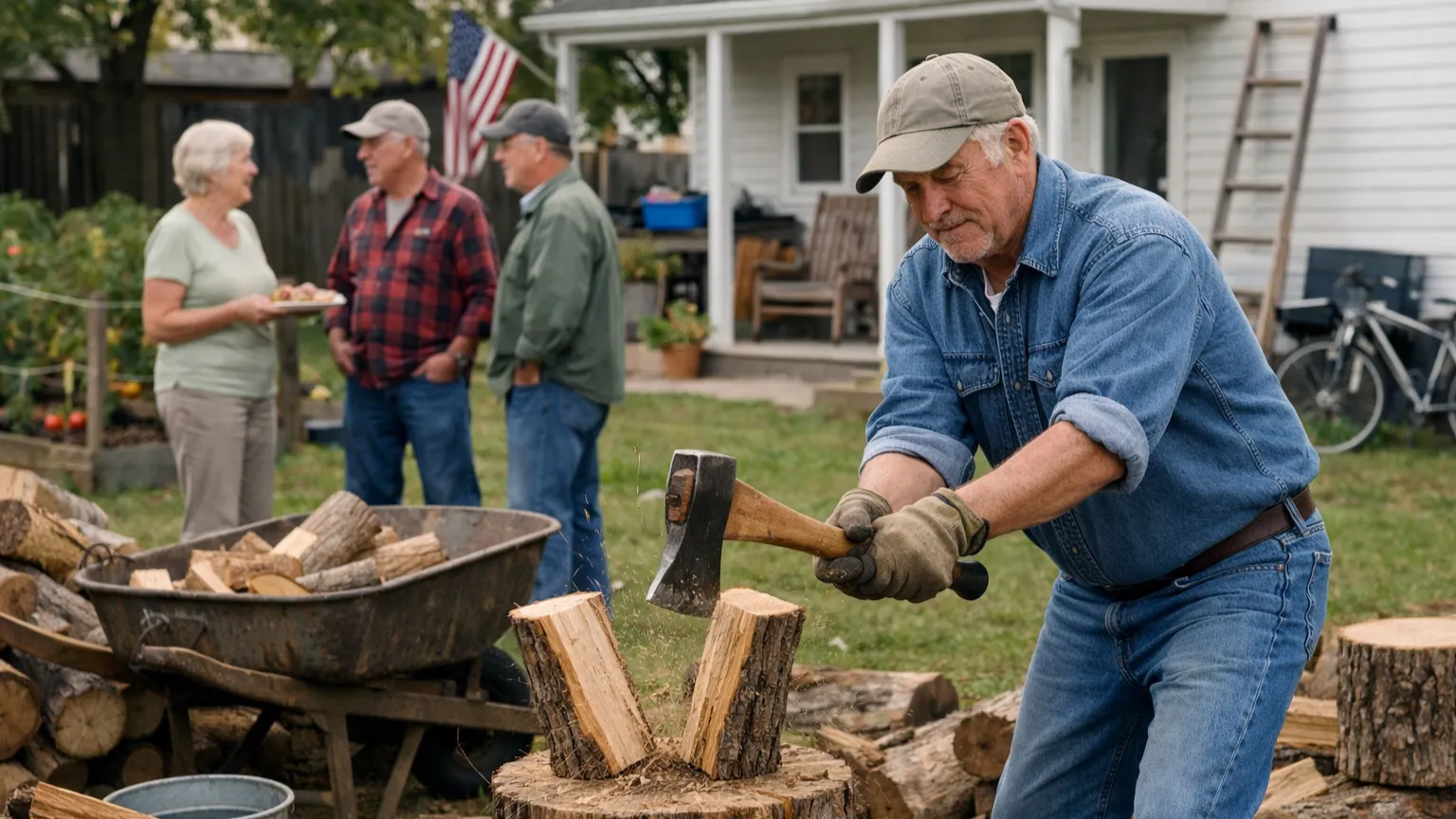
One of the most significant pillars of Baby Boomer resilience is the deep-seated value placed on community. Growing up in an era where “it takes a village” was a literal practice rather than a metaphorical phrase, Boomers developed a strong reliance on their neighbors. These bonds provided a safety net during lean times and a celebration circle during the good ones. This communal spirit fostered a sense of security, knowing that if a crisis hit, the people on their street would be the first to offer a helping hand.
2. A Foundation Built on Manual Labor
Many members of the Boomer generation entered the workforce or contributed to their households through manual labor at a young age. Whether it was helping in a family business, maintaining a home, or working in manufacturing, the physical demands of their youth instilled a certain mental toughness. This early exposure taught them that results are often the product of physical effort and sweat equity, creating a lasting “can-do” attitude that persists well into their later years.
3. Independence from Digital Technology
While the modern world is inextricably linked to the internet, Boomers spent their formative years navigating life without the immediate assistance of a smartphone. This lack of digital reliance forced them to develop sharp cognitive maps and a high degree of self-reliance. When they got lost, they consulted physical maps; when they needed information, they visited libraries. This independence fostered a unique type of mental flexibility, allowing them to remain calm when the “system” goes down.
4. Mastery of Delayed Gratification
In an age of instant downloads and next-day delivery, the Boomer perspective on patience is a breath of fresh air. They grew up in a world where saving for a purchase was the norm and waiting for a favorite television program was a weekly ritual. This mastery of delayed gratification is a cornerstone of Baby Boomer resilience, as it allows them to stay the course during long-term projects or economic downturns without losing focus or becoming discouraged by a lack of immediate results.
5. Navigating Significant Economic Shifts
From the post-war boom to the stagflation of the 1970s and various market crashes, Boomers have seen it all. Their experience navigating these major economic cycles has given them a seasoned perspective on money and security. They understand that while markets may dip and industries may shift, the ability to adapt one’s lifestyle and professional skills is the ultimate insurance policy. This history of financial navigation makes them exceptionally grounded during times of modern economic uncertainty.
6. Practical Problem Solving Without Tutorials
Before the era of “how-to” videos on YouTube, Boomers relied on trial, error, and shared knowledge to fix things. If a toaster broke or a sink leaked, the first instinct was to take it apart and understand the mechanics. This hands-on approach to life created a generation of practical problem solvers who aren’t afraid to get their hands dirty. They view obstacles as puzzles to be solved rather than insurmountable barriers.
7. The Art of Face-to-Face Communication
There is a subtle power in the way Boomers communicate. Having spent decades honing their interpersonal skills in person, they are often masters of reading body language and picking up on social cues that might be missed in an email or text. These deeply ingrained communication skills allow them to build trust quickly and manage conflict with a level of nuance and empathy that is sometimes lost in digital-only interactions.
8. A Lifelong Commitment to Stability
While “job hopping” has become a common strategy for career growth today, the Boomer generation often prioritized long-term commitment to their employers, families, and communities. This dedication wasn’t just about loyalty; it was a strategy for building a stable life. By investing years into a single path, they learned the value of compounding interest—not just in a bank account, but in their relationships and professional reputations.
9. Adaptability Amidst Societal Change
It is a common misconception that older generations are resistant to change. In reality, Boomers lived through some of the most radical societal shifts in history, including the Civil Rights Movement, the space race, and the birth of the personal computer. Their ability to integrate these massive cultural shifts into their worldview is a testament to their inherent adaptability. They have proven time and again that they can evolve alongside the world while keeping their core values intact.
10. Resourcefulness and the Scarcity Mindset
Many Boomers were raised by parents who lived through the Great Depression, passing down a profound respect for resources. This “waste not, want not” mentality encouraged a creative form of resourcefulness. Whether it was repurposing household items or finding ways to stretch a meal, this ability to find value in the overlooked is a key component of Baby Boomer resilience. It is a reminder that being “scrappy” is often more effective than having an unlimited budget.
11. The Power of Disciplined Routines
For many in this generation, success is built on the back of a consistent daily routine. The habit of waking up early, maintaining a tidy environment, and following a structured schedule provides a mental framework that reduces stress. This discipline acts as an anchor, allowing them to maintain their productivity and mental health even when the world around them feels chaotic.
12. Personal Accountability and Ownership
Finally, a defining trait of this era is a strong sense of personal accountability. There is a general cultural trend among Boomers to take ownership of their actions and their consequences. This “the buck stops here” attitude fosters a sense of agency; by accepting responsibility, they also claim the power to change their situation. It is perhaps the most empowering lesson they offer: that our resilience is ultimately our own responsibility.
A Reflective Summary of Lasting Strength
In reflecting on these twelve pillars, it becomes clear that Baby Boomer resilience is not about being “tough” in an unyielding way, but about being durable and resourceful. By blending a commitment to community with a disciplined, hands-on approach to life’s challenges, this generation has provided a blueprint for enduring the ups and downs of the modern age.
As we move forward, integrating these lessons of patience, face-to-face connection, and personal accountability can help us all build a more resilient future, regardless of the year we were born.