






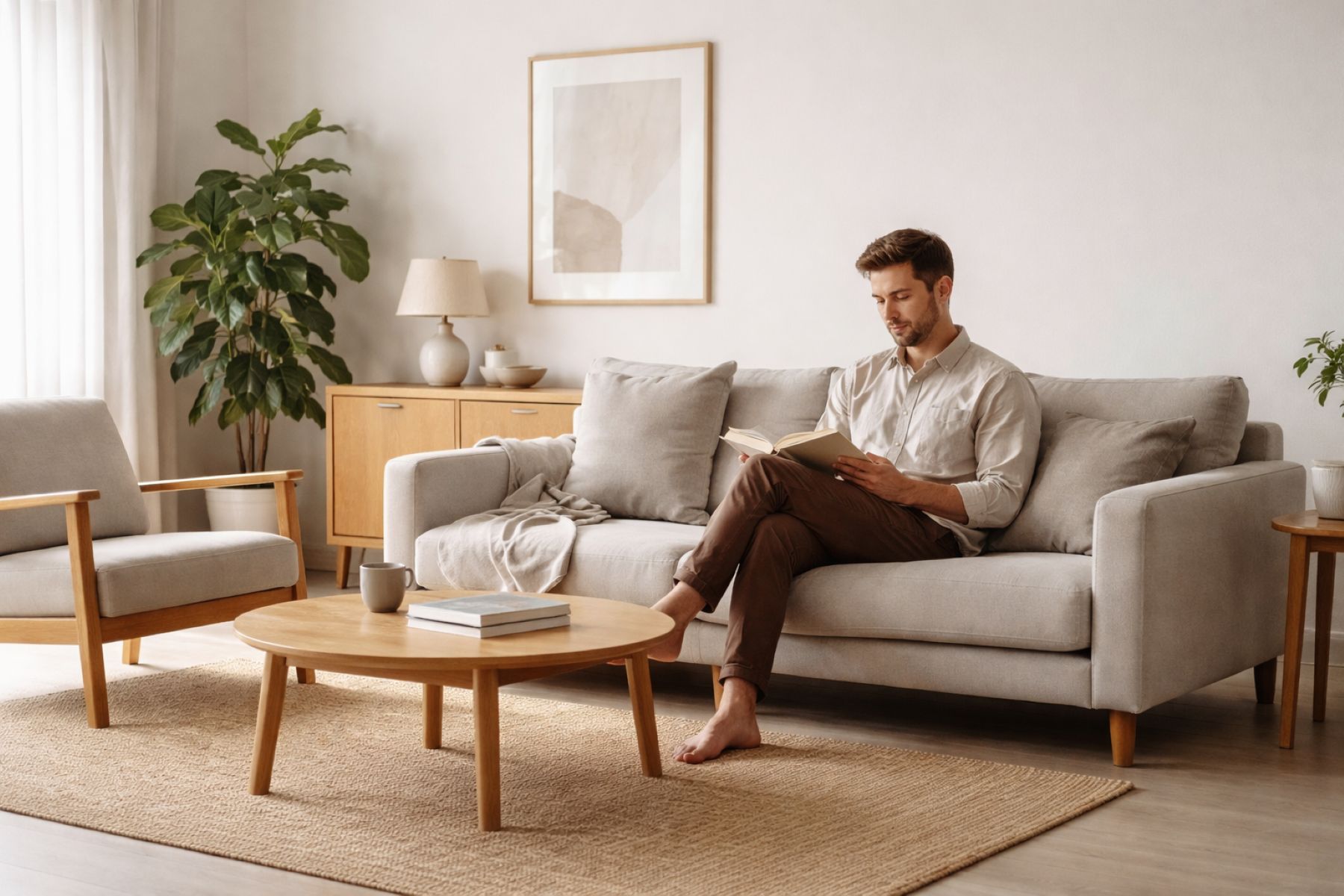
There is a profound difference between a house that is simply empty and one that is curated with intention. In recent years, the concept of a minimalist genius lifestyle has moved beyond a mere interior design trend, evolving into a sophisticated cognitive strategy. Highly intelligent individuals often view their living space as an extension of their minds. By choosing what not to include in their immediate environment, they protect their focus, reduce decision fatigue, and create a sanctuary that fosters deep reflection rather than constant distraction.
Understanding the Minimalist Genius Lifestyle
At its core, a minimalist genius lifestyle is not about deprivation; it is about the radical prioritization of mental clarity. Scientific studies on cognitive load suggest that our brains are constantly processing the visual stimuli in our surroundings. When a room is filled with unnecessary items, the brain must work harder to filter out “noise,” leaving less energy for creative problem-solving or complex thought. By stripping away the non-essential, people who prioritize high-level intellectual work create a “low-friction” environment where their ideas can breathe and develop without interruption.
1. Excessively Cluttered Decorative Trinkets
While it is tempting to fill every shelf with souvenirs or small ornaments, highly observant individuals often find that excessive decor serves as a visual tax on their attention. In a home designed for a minimalist genius lifestyle, every object usually carries a specific meaning or a functional purpose. Small, mismatched trinkets tend to collect dust and create a sense of “visual static.” Instead of dozens of small items, you are more likely to find a single, significant piece that evokes a specific memory or inspiration, allowing the eye—and the mind—to rest.
2. Low Quality Mass Produced Furniture
Intelligent living often involves a shift from a “throwaway” culture to one of long-term sustainability and comfort. Flimsy, mass-produced furniture that wobbles or breaks easily is rarely found in the homes of those who value efficiency. These items often require frequent replacement or repair, which represents a poor investment of both time and money. Choosing a few high-quality, ergonomically sound pieces ensures that the physical environment supports the body during long hours of study or work, reflecting a philosophy that values substance over temporary style.
3. Intrusive Constant Background Television Noise
One of the most significant barriers to deep thought is the “passive” consumption of media. Many people leave a television running in the background for company, but those practicing a minimalist genius lifestyle are protective of their auditory environment. Constant noise, especially the frantic pace of 24-hour news cycles or advertisements, can trigger a subtle stress response. By eliminating background noise, these individuals reclaim their ability to engage in internal dialogue or enjoy the restorative power of true silence, which is often where the best ideas are born.
4. Redundant Unused Kitchen Gadgetry
The kitchen is often the heart of the home, but it is also a magnet for “single-use” gadgets that promise to make life easier but mostly just take up space. Avocado slicers, specialized egg cookers, or multiple coffee makers rarely find a home with the intellectually minimalist. They prefer versatile, high-quality tools that can perform multiple tasks. This approach keeps surfaces clear and simplifies the process of daily living, ensuring that cooking remains a mindful activity rather than a struggle against a cluttered cabinet.
5. Obsolete Non Functional Technology Hardware
Holding onto old smartphones, tangled cables from the early 2000s, or printers that no longer work is a common habit, but it creates a heavy sense of stagnation. Highly organized individuals recognize that obsolete tech is simply “electronic clutter.” Removing these items from the home clears the path for a modern, functional workflow. It also reflects an understanding that technology should serve the user, rather than the user becoming a curator of a digital graveyard.
6. Generic Uninspiring Mass Market Artwork
The art on one’s walls should be a source of intellectual or emotional fuel. Often, mass-produced, generic prints are purchased simply to fill a void on a wall. However, those who follow a minimalist genius lifestyle prefer bare walls over art that doesn’t resonate with them. They understand that a blank space is a canvas for the imagination. When they do choose art, it is typically a piece that challenges them, inspires them, or holds a deep personal connection, rather than something chosen from a department store aisle.
7. Multiple Distracting Digital Screen Devices
In an era of hyper-connectivity, the most brilliant minds are often the ones who know how to unplug. Having a screen in every room—phones, tablets, laptops, and multiple TVs—fragments the attention span. By limiting the number of digital devices in the home, or designating specific “tech-free” zones, individuals can cultivate a sense of presence. This habit encourages more traditional forms of engagement, such as conversation, tactile hobbies, or deep reading, which are essential for maintaining a sharp and focused mind.
8. Large Collections of Unread Books
This may seem counterintuitive, as we often associate intelligence with vast libraries. However, there is a distinct difference between a working library and a “tsundoku” collection—books bought but never read. A minimalist genius lifestyle emphasizes the quality of information over the quantity of paper. Keeping only the books that have been read, or those that are actively being used for research, prevents the home from feeling like a storage unit for unfulfilled intentions. It turns the bookshelf into a curated map of one’s actual knowledge.
9. Complex High Maintenance Household Systems
Complexity is often the enemy of productivity. Intelligent individuals tend to avoid household systems—whether they be overly complicated smart-home setups or high-maintenance landscapes—that require constant troubleshooting. If a system takes more time to manage than the value it provides, it is often discarded. They seek a living environment that is self-sustaining and simple, allowing them to spend their cognitive “currency” on their passions and careers rather than on fixing a malfunctioning light switch or a complex watering schedule.
Adopting a minimalist genius lifestyle is a journey toward radical honesty about what we truly need to thrive. It is a realization that our physical surroundings act as a mirror to our internal state. When we clear away the uninspiring, the broken, and the redundant, we make room for the exceptional. By curating a home that prioritizes function, beauty, and quiet, we provide ourselves with the ultimate intellectual luxury: the space to think clearly and live purposefully.






No Response