






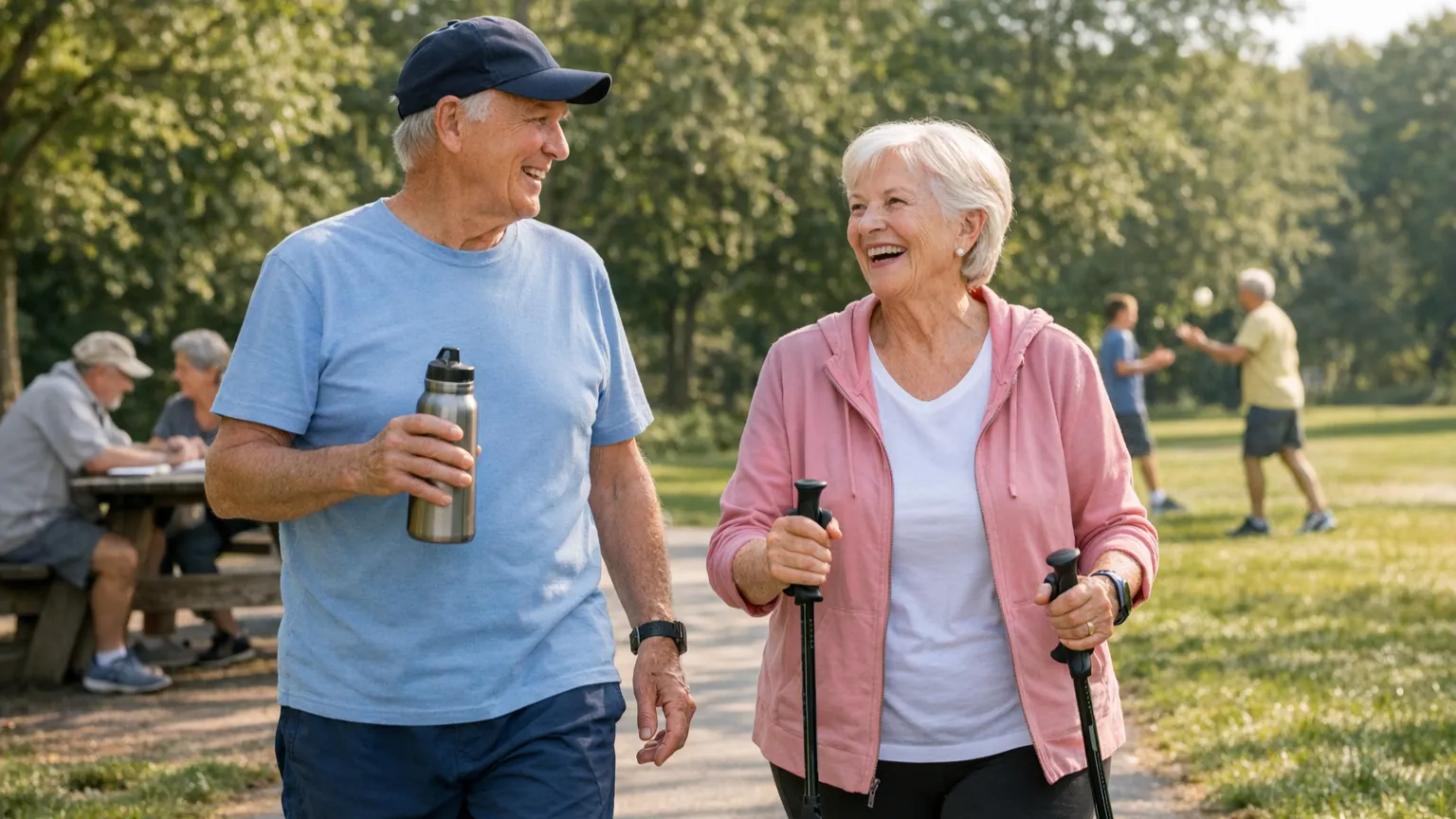
When we think about aging, our minds often jump straight to the visible markers: a few new silver strands in the hair or the fine lines that settle around the eyes. While the beauty industry spends billions trying to “fix” these external signs, true healthy aging habits are part of a much deeper, more intricate process. It isn’t about halting the clock; it’s about fine-tuning the engine so the ride remains smooth and enjoyable for as long as possible.
Healthy aging is a holistic transformation that encompasses how we move, how we think, and—perhaps most importantly—how we connect with the world around us. It is the art of maintaining functional independence and mental clarity, ensuring that our later years are defined by experiences rather than limitations. By shifting our focus from “looking young” to “functioning well,” we can adopt behavioral patterns that protect our vitality from the inside out.
Understanding these habits today is the best gift you can give your future self. Whether you are in your thirties looking to build a foundation or in your sixties looking to optimize your routine, focusing on core biological and social pillars can radically change your trajectory. This guide explores the essential habits that support longevity, proving that aging well is a proactive choice rather than a matter of mere luck.
The Foundation of Daily Vitality
The most significant contributors to a long, healthy life are often the most mundane. We tend to look for “bio-hacks” and expensive supplements, yet the body’s most profound healing happens during deep, high-quality sleep. Sleep is the brain’s primary cleaning service; it is when the glymphatic system flushes out metabolic waste and the body repairs cellular damage. Developing a consistent sleep rhythm—going to bed and waking up at the same time—regulates your internal clock and bolsters your immune system more effectively than any “superfood” ever could.
Parallel to rest is the necessity of consistent daily physical activity. Notice the word “activity” rather than “exercise.” While hitting the gym is great, maintaining healthy aging habits is more about reducing sedentary behavior. It’s the cumulative effect of walking to the store, gardening, or taking the stairs. These movements keep the cardiovascular system efficient and ensure that your metabolic health remains stable. When combined with a balanced nutritional intake—prioritizing whole foods over processed ones—you create a biological environment where your cells can thrive.
Nutrition in the context of aging isn’t just about weight management; it’s about fuel and protection. As we age, our bodies become less efficient at absorbing certain nutrients. This makes the quality of every meal paramount. Focusing on lean proteins, healthy fats, and a diverse array of colorful vegetables provides the antioxidants necessary to combat oxidative stress, which is a primary driver of the aging process.
Cognitive Sharpness and Emotional Resilience
A sharp mind is perhaps the most cherished asset in our later years. Cognitive wellness isn’t a static trait we are born with; it is a “use it or lose it” scenario. Engaging in lifelong learning—whether that’s picking up a new language, mastering a musical instrument, or simply reading deeply about a new subject—creates new neural pathways. This “cognitive reserve” acts as a buffer against age-related decline, keeping the brain adaptable and resilient.
However, mental clarity is often sabotaged by chronic stress. Effective stress management is a non-negotiable pillar of longevity. High levels of cortisol, the body’s primary stress hormone, can lead to systemic inflammation and memory impairment over time. Finding a “flow state”—an activity where you lose track of time—can be incredibly restorative. This might be through meditation, painting, or even woodworking. The goal is to give the nervous system a break from the “fight or flight” mode that modern life so frequently triggers.
Emotional resilience also stems from a sense of purpose. Waking up with a “reason to be”—a concept the Japanese call Ikigai—is statistically linked to a longer lifespan. This doesn’t have to be a grand career goal; it can be as simple as caring for a pet, volunteering, or being an active mentor in your community. When you feel that your presence matters, your body responds with better hormonal balance and a stronger will to maintain your health.
Lifestyle Patterns and Healthy Aging Habits
To truly support longevity, we must look at the small, repetitive choices that define our lifestyle. One of the most impactful habits is the drastic reduction of processed sugar consumption. Sugar is a major contributor to glycation, a process where sugar molecules attach to proteins, damaging collagen and causing systemic inflammation. By choosing natural sources of energy and staying adequately hydrated, you protect your kidneys, your skin, and your energy levels.
Environmental exposure also plays a subtle but vital role. Regular, safe outdoor sun exposure is the most natural way to maintain Vitamin D levels, which are crucial for bone density and immune function. Furthermore, staying on top of routine preventive health screenings allows for the early detection of issues before they become crises. Think of these check-ups as a “performance tune-up” for your body, ensuring that everything from blood pressure to cholesterol is trending in the right direction.
The Power of Social Integration
Humans are fundamentally social creatures, and isolation is one of the most significant, yet overlooked, risks to healthy aging. Strong social engagement and community participation act as a safety net for both mental and physical health. Regular interaction with friends and family provides emotional support, reduces the risk of depression, and even keeps the brain sharper through the complexities of social nuances.
Intergenerational interaction is particularly beneficial. Engaging with younger generations keeps your perspective fresh and prevents the feeling of being “left behind” by a changing world. Conversely, consistent volunteering habits allow you to share your hard-earned wisdom, reinforcing your sense of value. A safe and supportive living environment, combined with a robust family or social support system, creates a foundation of security that allows you to focus on thriving rather than just surviving.
Maintaining Mobility and Physical Function
As the years pass, the focus of physical health often shifts toward functionality. Can you get up from a chair easily? Can you catch yourself if you trip? Stable balance and coordination are the results of a healthy vestibular system and strong core muscles. Incorporating balance exercises, such as yoga or Tai Chi, can significantly reduce the risk of falls, which is a leading cause of injury in older adults.
Muscle grip strength and walking gait speed are often used by clinicians as “biological markers” of aging. They are excellent indicators of overall vitality and muscle mass. To maintain these, resistance training is essential. You don’t need to be a bodybuilder, but maintaining sufficient muscle mass (sarcopenia prevention) ensures that your joints stay protected and your metabolism stays active. Flexible joint range of motion and efficient cardiovascular recovery mean that your body can handle the physical demands of a busy, active life without excessive fatigue.
Actionable Steps for a Vital Future
Transitioning toward a lifestyle defined by healthy aging habits doesn’t require an overnight overhaul. In fact, small, sustainable changes are far more effective than temporary intensity.
-
Audit Your Movement: Don’t just count steps; count “movement breaks.” If you sit for an hour, stand and stretch for five minutes.
-
Prioritize Protein and Hydration: Ensure every meal has a clean protein source to support muscle maintenance, and carry a water bottle to keep your cellular processes running smoothly.
-
Schedule Your Social Life: Treat a coffee date or a community meeting with the same importance as a doctor’s appointment.
-
Challenge Your Brain: Pick one thing you’ve always wanted to learn and dedicate 20 minutes a day to it. The goal is progress, not perfection.
-
Practice “Functional” Fitness: Incorporate squats, lunges, and balance moves into your daily routine—even while brushing your teeth!
Building Your Legacy of Health
Healthy aging is not a destination you reach; it is a continuous journey of adaptation and self-care. It is about broadening our definition of health to include the strength of our friendships, the clarity of our thoughts, and the resilience of our spirits. When we stop obsessing over the mirror and start investing in our biological and emotional wealth, we unlock a version of ourselves that is capable of incredible things at any age.
The choices you make today—the walk you take, the friend you call, the glass of water you drink—are the building blocks of your future. You have the power to influence how you age by fostering healthy aging habits that honor your body’s complexity and potential.






No Response