






Many of us carry a specific set of memories that feel warmer and more grounded than the rest of our frantic, modern lives. It might be the scent of a specific spice in a kitchen, the steady ticking of a grandfather clock, or the memory of a hand-knitted sweater that never seemed to wear out. This nostalgic grandparent wisdom isn’t just a collection of old-fashioned stories; it is a foundational blueprint for living a meaningful, balanced life. As we navigate the complexities of the digital age, the quiet habits of our elders offer a refreshing sense of clarity and purpose that we often struggle to find elsewhere.
Defining the Essence of Nostalgic Grandparent Wisdom
When we speak of nostalgic grandparent wisdom, we are referring to a philosophy of life rooted in patience, resourcefulness, and deep human connection. It represents a time before the world was “always on,” where value was measured by the quality of one’s character and the strength of one’s handiwork rather than digital metrics. This wisdom is characterized by a “slow and steady” approach to life’s challenges, emphasizing long-term stability over instant gratification. By examining these habits today, we can rediscover practical tools for mental well-being and community resilience.
1. The Enduring Legacy of Simple Traditions
Grandparents have a unique way of turning the mundane into something sacred. Whether it was a specific way of celebrating a Sunday afternoon or a small ritual performed every morning, these simple traditions served as the emotional bedrock of the family. They created a sense of predictability and safety that allowed children to thrive.
Beyond mere routine, these traditions acted as bridges between generations. They provided a space where stories could be told and values could be whispered from one ear to another. By establishing a clear cultural identity early on, our grandparents ensured that we knew exactly where we came from, giving us the confidence to face an uncertain world.
2. Hand-Cooked Meals Using Basic Ingredients
In a world dominated by ultra-processed convenience, the grandparent’s kitchen remains a sanctuary of health and intentionality. There is a profound difference between a meal popped out of a plastic sleeve and one built from scratch using flour, salt, and water. Our grandparents prioritized health by controlling exactly what went into their bodies, long before “clean eating” became a marketing buzzword.
Cooking this way also taught us the mastery of patience. A stew cannot be rushed, and bread must be given time to rise. This infusion of genuine care into the food we eat transforms a biological necessity into an act of love. When we cook like our grandparents, we aren’t just feeding our bodies; we are nourishing our souls and practicing the art of waiting for something good.
3. The Art of Storytelling Without Screens
Before tablets and streaming services became the default babysitters, there was the human voice. Grandparents are the original curators of family history, using vivid oral storytelling to ignite a child’s imagination. This habit did more than just entertain; it helped us develop active listening skills that are increasingly rare in our notification-driven society.
These stories preserved unique family histories that would have otherwise been lost to time. By listening to the triumphs and struggles of those who came before us, we developed a deeper sense of empathy and a broader perspective on life. This screen-free engagement allowed our imaginations to fill in the blanks, fostering a creative spirit that remains with us well into adulthood.
4. Practical Handyman and Crafting Skills
There was a time when a hole in a sock or a wobbly chair leg wasn’t a reason to go shopping; it was an invitation to work. Our grandparents valued the ability to fix items instead of replacing them, a habit that reflected a deep respect for the physical world. This wasn’t just about saving money; it was about the satisfaction of manual labor and the pride of craftsmanship.
Valuing effort over ease is a core tenet of nostalgic grandparent wisdom. This mindset promotes sustainable living habits by reducing waste and encouraging us to appreciate the objects we own. When we learn to repair and maintain our surroundings, we develop a sense of agency and competence that bolsters our self-esteem in a way that modern consumption never can.
5. Consistent Gardening and Nature Connection
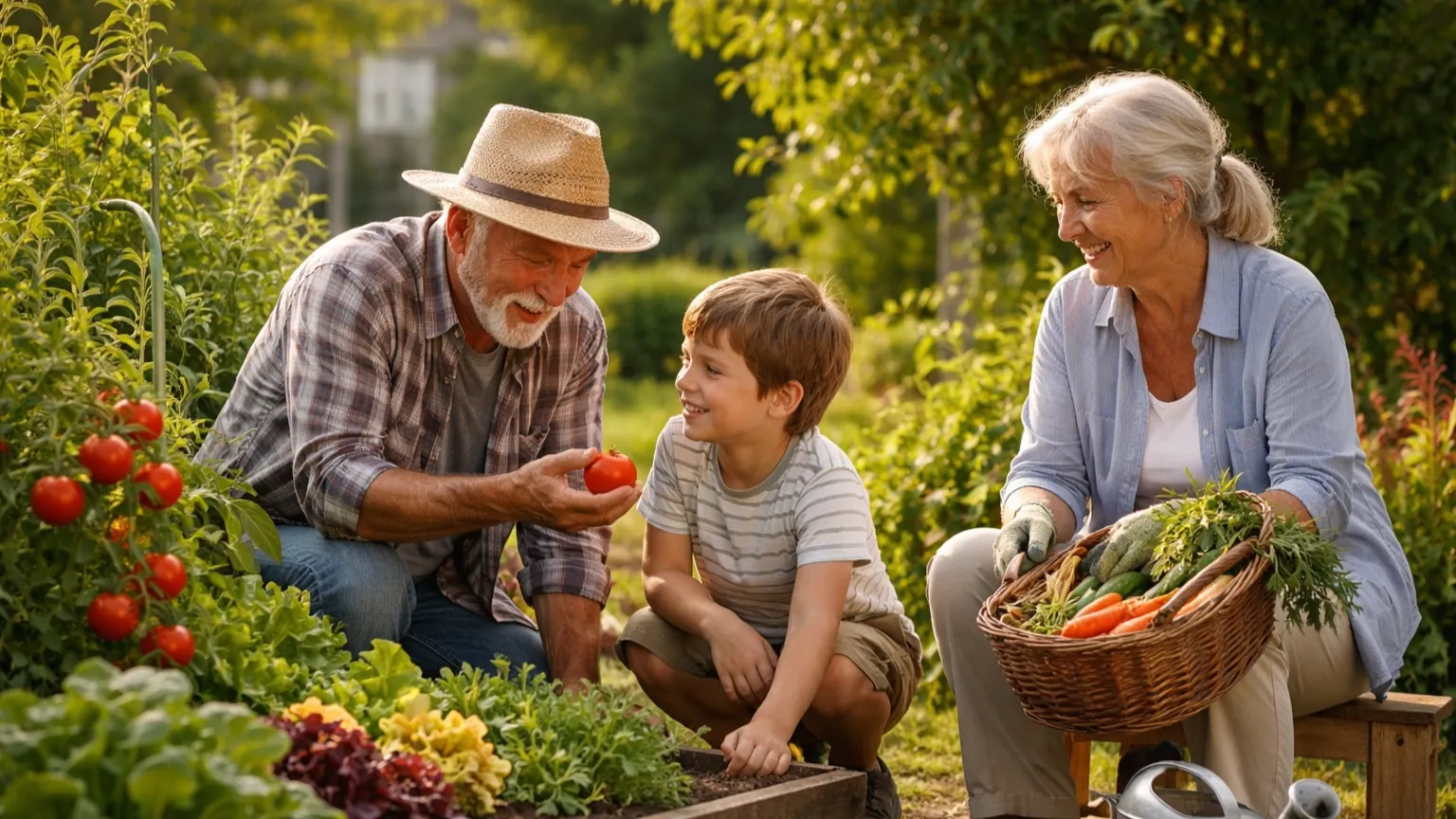
Whether it was a sprawling backyard vegetable patch or a few carefully tended pots on a windowsill, grandparents always seemed to have their hands in the dirt. This consistent connection to nature provided an intuitive understanding of the cycle of growth—that everything has a season and that growth cannot be forced.
Physical labor in the garden offered a unique kind of peace that a gym workout rarely matches. It fostered a quiet respect for the local environment and a realization of our place within the natural world. This habit taught us that the best rewards often come from consistent, quiet effort and that there is immense joy to be found in watching a seed eventually become a harvest.
6. Frugal Living and Financial Discipline
The financial habits of our grandparents were often forged in times of scarcity, leading to a profound sense of discipline. They understood the importance of saving for long-term security and viewed debt as something to be avoided whenever possible. This wasn’t about being “cheap,” but rather about being intentional with one’s resources.
By avoiding unnecessary modern debt, they gained a level of freedom that many today find elusive. This lifestyle taught us to appreciate small, earned luxuries—a special dessert or a new book—making them feel far more significant than the constant stream of purchases we often see today. Financial discipline, in their eyes, was the ultimate form of self-care.
7. Handwritten Correspondence and Physical Mail
In our era of instant messaging and fleeting emails, the handwritten note feels like a small miracle. Grandparents understood the power of intentional personal communication. Taking the time to sit down, select stationery, and carefully pen a letter was a way of honoring the recipient’s time and presence in their life.
These letters became tangible sentimental keepsakes, physical fragments of a person’s thoughts and feelings that could be tucked away and rediscovered years later. This habit taught us that the most meaningful connections are those where we give a piece of ourselves—quite literally, through our handwriting—to someone else.
8. Strict Yet Loving Discipline and Routine
The “old school” approach to discipline was rarely about being harsh; it was about building strong personal character. Grandparents often provided a structured environment where boundaries were clear and routines were respected. This early exposure to time management and accountability helped us navigate the responsibilities of adulthood with much more ease.
What made this discipline effective was the balance of boundaries with warmth. You knew where you stood, and you knew you were loved. This combination created a secure environment where we could learn from our mistakes without fear of losing support. It taught us that true love sometimes means saying “no” for the sake of long-term growth.
9. Prioritizing Face-to-Face Community Socializing
For our grandparents, the neighborhood was an extension of the home. They prioritized face-to-face interaction, whether it was chatting over a fence or visiting a local community center. This habit strengthened the social fabric of the neighborhood and acted as a powerful antidote to the digital isolation we often feel today.
By engaging directly with others, they mastered nuanced interpersonal cues—the tone of voice, the look in an eye, the silence between words. These social skills are vital for building deep, lasting relationships. Learning to navigate the complexities of a community in person taught us the value of tolerance, cooperation, and the simple joy of being known by those around us.
10. Slow Living and Mindful Presence
Perhaps the most radical habit of all was their rejection of the frantic modern pace. Grandparents didn’t feel the need to optimize every second of their day. They found joy in simple silence, whether it was sitting on a porch or watching the rain. This mindful presence allowed them to focus on the current moment without the anxiety of “what comes next.”
This aspect of nostalgic grandparent wisdom is a direct challenge to our culture of burnout. By slowing down, we give ourselves permission to actually experience our lives as they happen. We learn that we don’t always have to be productive to be valuable. In the quiet moments they shared with us, they taught us that the most precious thing we can give anyone is our undivided attention.
As we look back on these ten habits, it becomes clear that the value of our grandparents’ lifestyle wasn’t in the specific things they did, but in the spirit with which they did them. They lived with a sense of “enoughness” that is rare today. By integrating some of this nostalgic grandparent wisdom into our own lives—whether by cooking a meal from scratch or writing a letter to a friend—we can reclaim a sense of balance and heritage. These simple habits are not just relics of the past; they are timeless tools for a more grounded and joyful future.




No Response