

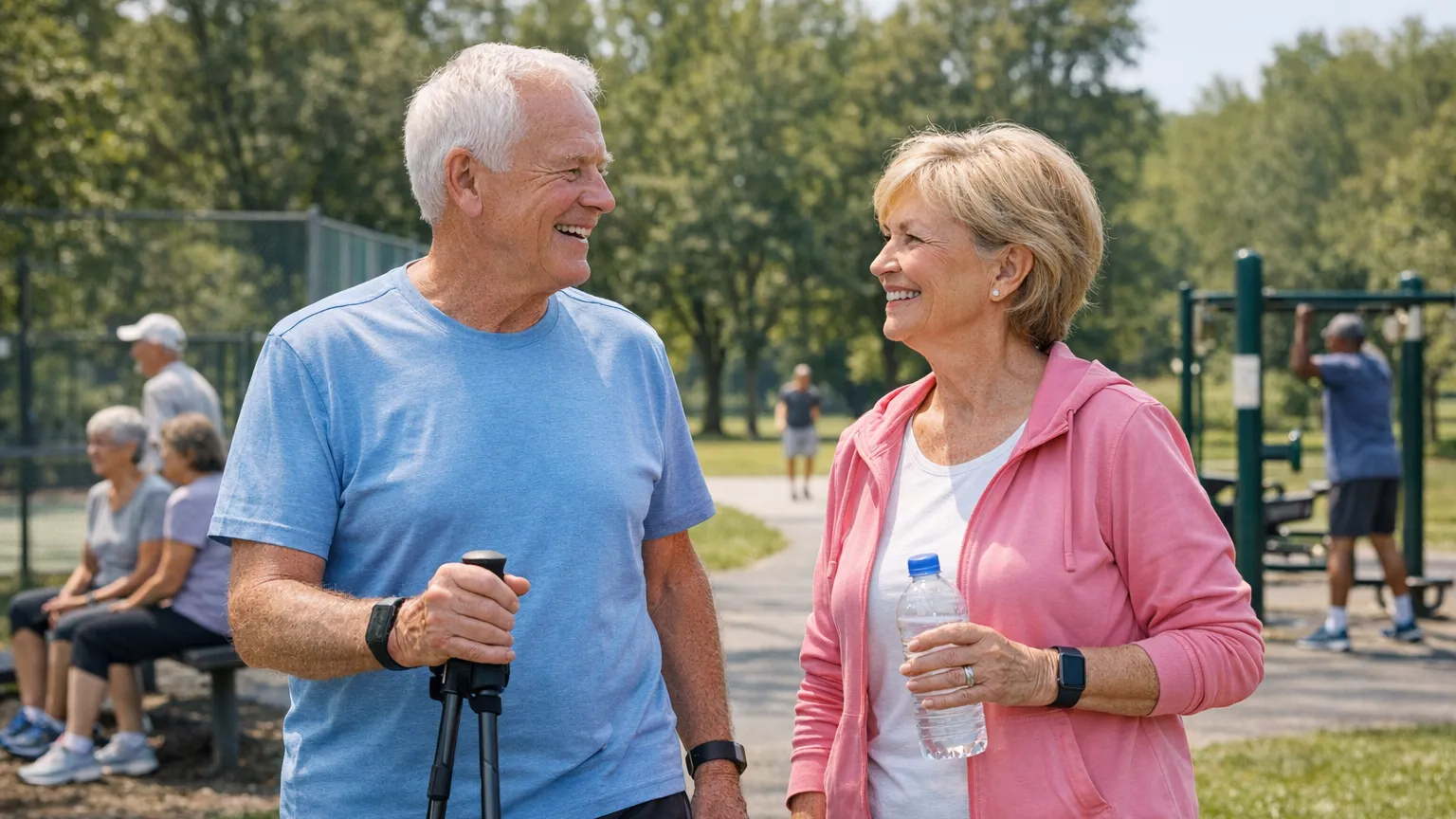
The concept of aging has undergone a massive transformation in recent years. No longer viewed simply as a period of inevitable decline, we now understand it as a dynamic phase of life that can be navigated with grace, strength, and sharp mental clarity. Healthy aging benefits extend far beyond the absence of disease; they encompass a proactive process of maintaining functional ability, mental well-being, and social connectedness. It is about ensuring that our “healthspan”—the years we spend in good health—matches our lifespan.
In a world obsessed with “anti-aging” products that are only skin-deep, the true secret lies in a holistic approach that prioritizes the brain, the heart, and the spirit. Many people approach their later years with a sense of trepidation, fearing the loss of independence. However, by understanding the core pillars of longevity, we can shift that narrative from one of fear to one of empowerment. This guide explores how intentional lifestyle choices can sharpen your intellect and ensure your golden years are lived with purpose.
Redefining the Journey: What Healthy Aging Truly Means
At its core, healthy aging is about adaptation. Our bodies and minds are remarkably resilient, but they require a different kind of care at sixty than they did at sixteen. It involves fostering environments and behaviors that allow people to be and do what they value throughout their lives.
When we talk about maintaining functional ability, we aren’t just talking about the physical capacity to walk or climb stairs. We are talking about the freedom to travel, the energy to play with grandchildren, and the mental bandwidth to engage in complex hobbies. By promoting health proactively rather than reactively, we create a buffer against typical age-related changes. The goal is to maximize quality of life so that age becomes a secondary factor in our personal happiness.
The Architect of the Mind: Preserving Mental Sharpness
One of the most significant healthy aging benefits is the preservation of high-level cognitive functions. For a long time, it was believed that the brain was a static organ that only moved toward decline. Modern neuroscience has debunked this, revealing the power of neuroplasticity—the brain’s ability to reorganize itself by forming new neural connections throughout life.
By engaging in lifelong learning—whether that is picking up a new language, mastering a musical instrument, or staying curious—we “thicken” the neural pathways that support memory and focus. This cognitive reserve acts as a shield, potentially reducing the risk of neurodegenerative diseases. When we challenge our brains, we improve our critical problem-solving skills, allowing us to navigate the complexities of modern life with dexterity.
The Quiet Strength of Emotional Resilience
Physical health often grabs the headlines, but the emotional stability that comes with a mindful lifestyle is perhaps its most underrated gift. As we age, we often develop a more nuanced understanding of the world. Adopting a wellness-focused mindset fosters a sense of emotional regulation that allows us to ride the waves of life without being swept away.
This resilience is built on a foundation of positive psychological outlooks and strengthened coping mechanisms. Research shows that older adults who prioritize their mental well-being experience fewer mood fluctuations and a deeper sense of empathy. This “positivity effect” helps in managing stress, which is a known silent killer. By mastering our emotional landscape, we don’t just feel better; we actually improve our physiological health by keeping cortisol levels in check.
Building the Foundation: Physical Healthy Aging Benefits
While the mind is the captain, the body is the vessel. A proactive approach to aging pays massive dividends in physical independence. One of the most critical aspects is maintaining bone density and muscle strength. Sarcopenia, or age-related muscle loss, is a major contributor to frailty, but it is largely preventable through consistent resistance training and proper nutrition.
Beyond visible strength, staying active optimizes our internal systems. It keeps our cardiovascular and metabolic health in peak condition, reducing the risk of hypertension and type 2 diabetes. Furthermore, a lifestyle focused on longevity boosts the immune system’s efficiency and reduces chronic inflammation—often referred to as “inflammaging.” This means we don’t just live longer; we live with less pain and more mobility.
| Benefit Category | Key Advantage | Impact on Daily Life |
| Cognitive | Neuroplasticity | Better memory and problem-solving |
| Physical | Muscle Retention | Continued independence and mobility |
| Emotional | Stress Regulation | Lower cortisol and higher happiness |
| Financial | Preventative Health | Reduced long-term medical costs |
The Social Fabric: Connection and Purpose
Humans are fundamentally social creatures, and the healthy aging benefits extend far into our communities. Isolation is a significant risk factor for cognitive decline and depression in older adults. Conversely, those who pursue an active social life often find themselves with deeper interpersonal connections and more active community engagement.
There is a profound sense of life purpose that comes from sharing accumulated wisdom. Whether through mentoring younger generations or volunteering, the social rewards are reciprocal. It keeps the mind engaged and the heart full. When we continue to pursue hobbies and stay involved in social circles, we create a support system that provides both emotional comfort and practical help.
Autonomy and the Economics of Aging
There is a practical, even financial, side to this conversation. Healthy aging is an investment that yields high returns in personal autonomy. By maintaining our health, we significantly lower long-term healthcare expenditures. The costs associated with managing chronic illnesses and assisted living can be staggering; staying healthy is the best insurance policy one can have.
Furthermore, being healthy allows for continued productivity. Whether you choose to work part-time, consult, or run a passion project, your ability to contribute provides a sense of dignity. This autonomy ensures that you remain the primary decision-maker in your life, choosing where you live and how you spend your time.
Practical Steps to Start Your Journey
Transitioning into a longevity-focused lifestyle doesn’t require a radical overhaul. It is about small, consistent choices:
-
Prioritize Movement: Aim for a mix of walking, balance exercises (like Tai Chi), and light strength training.
-
Eat for the Brain: Focus on a Mediterranean-style diet rich in leafy greens, healthy fats, and lean proteins.
-
Cultivate “Beginner’s Mind”: Take a course or learn a new craft to keep your synapses firing.
-
Audit Your Social Circle: Spend time with people who energize you and encourage healthy habits.
-
Practice Mindfulness: Spend ten minutes a day in meditation to lower blood pressure.
A Future Defined by Vitality
Healthy aging is not a destination you reach; it is a way of traveling. It is the realization that while we cannot stop the clock, we can certainly choose how we wind it. By investing in our cognitive health and physical strength, we transform the aging process from a period of “winding down” into a vibrant new chapter of growth.
The healthy aging benefits of this proactive lifestyle are clear: a sharper mind, a more stable emotional life, and the physical freedom to enjoy the fruits of your labor. The best time to start was yesterday; the second-best time is today. Your future self will thank you for the resilience and clarity you are building right now.