

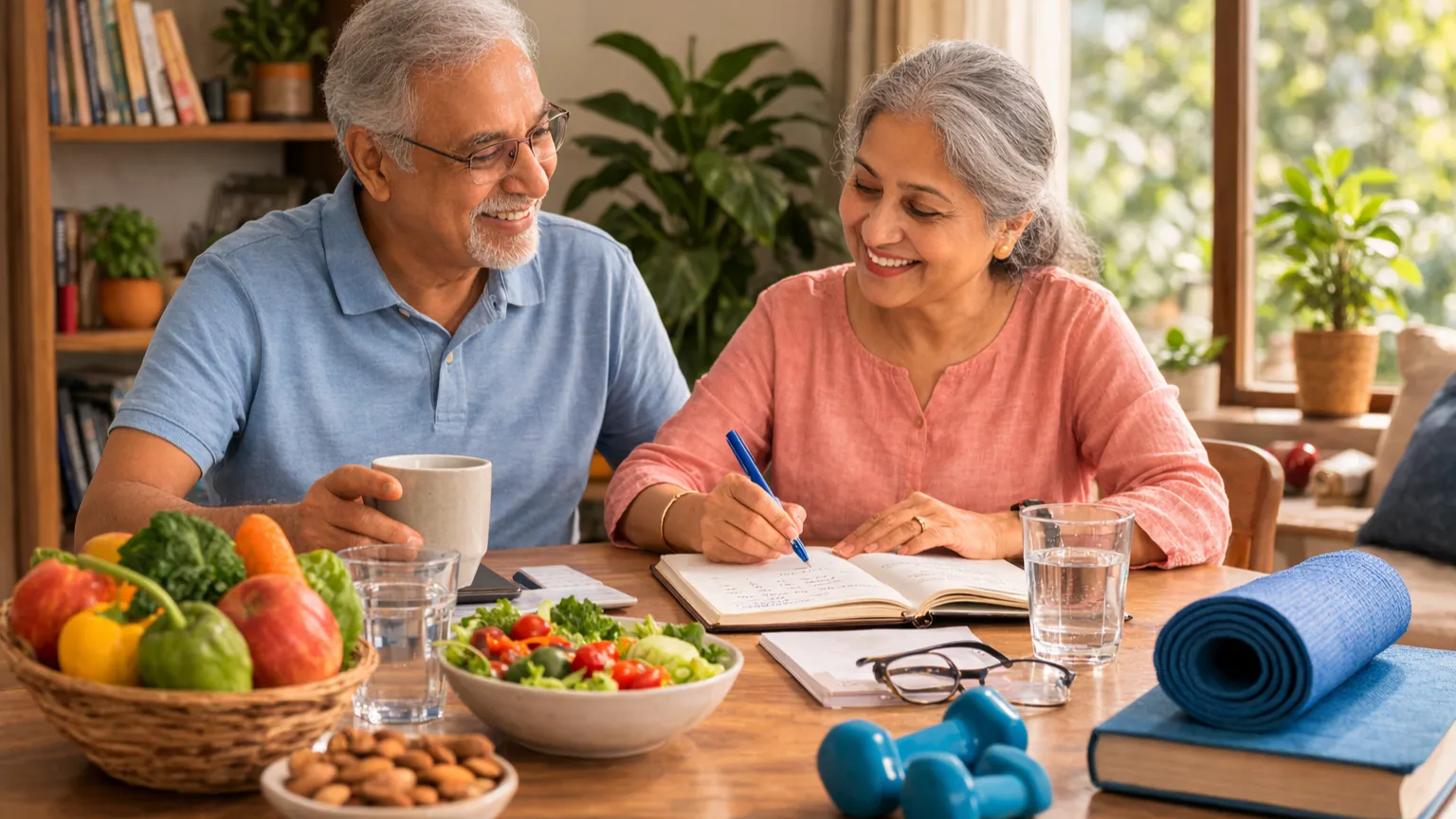
The passage of time is perhaps the only universal experience we all share, yet the prospect of growing older often stirs a complex mix of emotions. While society frequently focuses on the challenges of aging, there is a profound beauty in the transition toward seniority—a phase defined by seasoned wisdom, deeper self-awareness, and a refined perspective on life. Adopting healthy aging strategies is not merely about adding years to your life, but about adding vibrant, meaningful life to your years. By shifting our focus from fear to preparation, we can transform the aging process into a journey of empowerment and grace.
Defining Healthy Aging and Overcoming Gerascophobia
At its core, healthy aging is the process of developing and maintaining the functional ability that enables wellbeing in older age. It involves a holistic balance of physical health, mental clarity, and social engagement. However, many individuals struggle with Gerascophobia, which is a persistent and often irrational fear of growing old. This anxiety typically stems from several common concerns, such as the potential loss of independence or a decline in physical appearance.
Beyond the mirror, many people experience significant stress regarding potential cognitive decline or the idea of no longer being “useful” in a fast-paced world. Understanding that these fears are a natural response to cultural narratives is the first step toward overcoming them. When we define aging not as a series of losses, but as a continuous evolution of the self, we reclaim our agency. Recognizing these anxieties allows us to address them proactively through mindful lifestyle choices and psychological shifts.
Psychological Shifts to Stop Worrying
The journey toward a fulfilling later life begins in the mind. One of the most effective psychological shifts involves practicing mindfulness and staying anchored in present awareness. Often, aging anxiety is rooted in a future that hasn’t happened yet. By focusing on the “now,” we can appreciate our current capabilities rather than mourning what might change. It is equally vital to challenge negative ageist stereotypes that suggest older age is a period of stagnation. In reality, this stage of life is frequently the most creatively and intellectually fertile.
Cultivating a positive self-perception is a powerful tool for longevity. When we focus on the wisdom and experience we have gathered over decades, we begin to see physical changes as natural markers of a life well-lived. Accepting a changing reflection in the mirror becomes easier when we value the depth of character behind the eyes. Embracing this reflective mindset fosters a sense of peace, allowing us to navigate the years with curiosity rather than trepidation.
Essential Lifestyle Habits and Healthy Aging Strategies
Physical vitality is the engine that supports our aspirations as we age. Maintaining a routine of regular, low-impact physical activity—such as walking, swimming, or yoga—keeps the body resilient without placing undue stress on the joints. These activities promote circulation and balance, which are essential for maintaining independence. Complementing this movement with a diet rich in nutrient-dense, anti-inflammatory foods provides the cellular fuel necessary to repair and protect our systems.
Sleep and hydration are often overlooked but are foundational to long-term wellness. Ensuring seven to nine hours of quality sleep allows the brain to clear metabolic waste and the body to recover. Similarly, consistent hydration is vital for maintaining skin elasticity and kidney function. By avoiding tobacco and limiting alcohol consumption, we significantly reduce the internal stressors on our organs, ensuring that our “biological machinery” remains efficient and capable for the long haul.
Maintaining Cognitive and Mental Health
A sharp mind is one of our greatest assets, and cognitive health requires consistent cultivation. Lifelong learning—whether through picking up a new language, mastering a musical instrument, or attending local lectures—creates new neural pathways. Solving puzzles and engaging in brain games can be a fun way to keep the mind agile, but deep intellectual engagement is what truly builds cognitive reserve.
Managing chronic stress is equally crucial, as prolonged cortisol exposure can impact memory and emotional stability. Meditation and deep-breathing exercises offer accessible ways to calm the nervous system. Furthermore, there is no shame in seeking professional therapy to navigate the emotional transitions of aging. Building emotional resilience ensures that we can handle life’s inevitable ebbs and flows with a steady heart and a clear head.
Social Connection and Purpose
Humans are inherently social creatures, and isolation is one of the greatest risks to health in later years. Building strong, multi-generational social circles provides a sense of belonging and keeps our perspectives fresh. Engaging with younger generations through mentorship roles or simply sharing stories allows for a beautiful exchange of energy and wisdom. Spending quality time with loved ones reinforces the support systems that sustain us during challenging times.
Finding a sense of purpose is perhaps the “secret sauce” of longevity. Volunteering for meaningful community causes or joining hobby-based social groups provides a reason to get up each morning with enthusiasm. When we share our knowledge and give back to our communities, we reinforce our value and relevance. This sense of contribution is a powerful antidote to the loneliness that sometimes accompanies the retirement years.
Proactive Medical Care as Part of Healthy Aging Strategies
While lifestyle habits do the heavy lifting, proactive medical care provides a necessary safety net. Scheduling annual comprehensive health screenings allows for the early detection of issues that are much easier to manage when caught in their infancy. It is particularly important to monitor bone density and cardiovascular health, as these are the pillars of physical mobility and stamina. Staying current with vaccinations and boosters is another simple yet effective way to protect the immune system.
Managing existing chronic conditions with diligence—whether it’s hypertension or diabetes—prevents minor issues from escalating into major hurdles. Additionally, consulting specialists like dermatologists for skin protection and screenings is a vital part of a holistic health plan. By viewing healthcare as a partnership with your providers, you can create a customized roadmap that supports your specific physiological needs and goals.
Financial and Practical Future Planning
Peace of mind in later life is often the result of sound preparation. Creating a stable retirement fund and investing in long-term health insurance are practical steps that alleviate the stress of financial uncertainty. It is also wise to organize legal documents, such as healthcare power of attorney and clear end-of-life preferences, ensuring your wishes are respected and your family is not left with difficult decisions during emotional times.
Practicality also extends to our living environments. Downsizing to a more manageable space or modifying a home for safety can prevent accidents and reduce the burden of maintenance. These steps are not admissions of weakness, but rather strategic moves to maximize comfort and autonomy. When the “logistics” of life are settled, you are free to focus on the experiences and relationships that truly matter.
A Reflection on the Golden Years
Ultimately, aging is a privilege denied to many. By integrating these healthy aging strategies into our daily lives, we move away from a mindset of “declining” and toward a mindset of “ripening.” It is a time to celebrate the resilience of the human spirit and the vast wealth of knowledge we carry. When we care for our bodies, nurture our minds, and stay connected to our communities, the later chapters of life can truly become the most rewarding ones.