

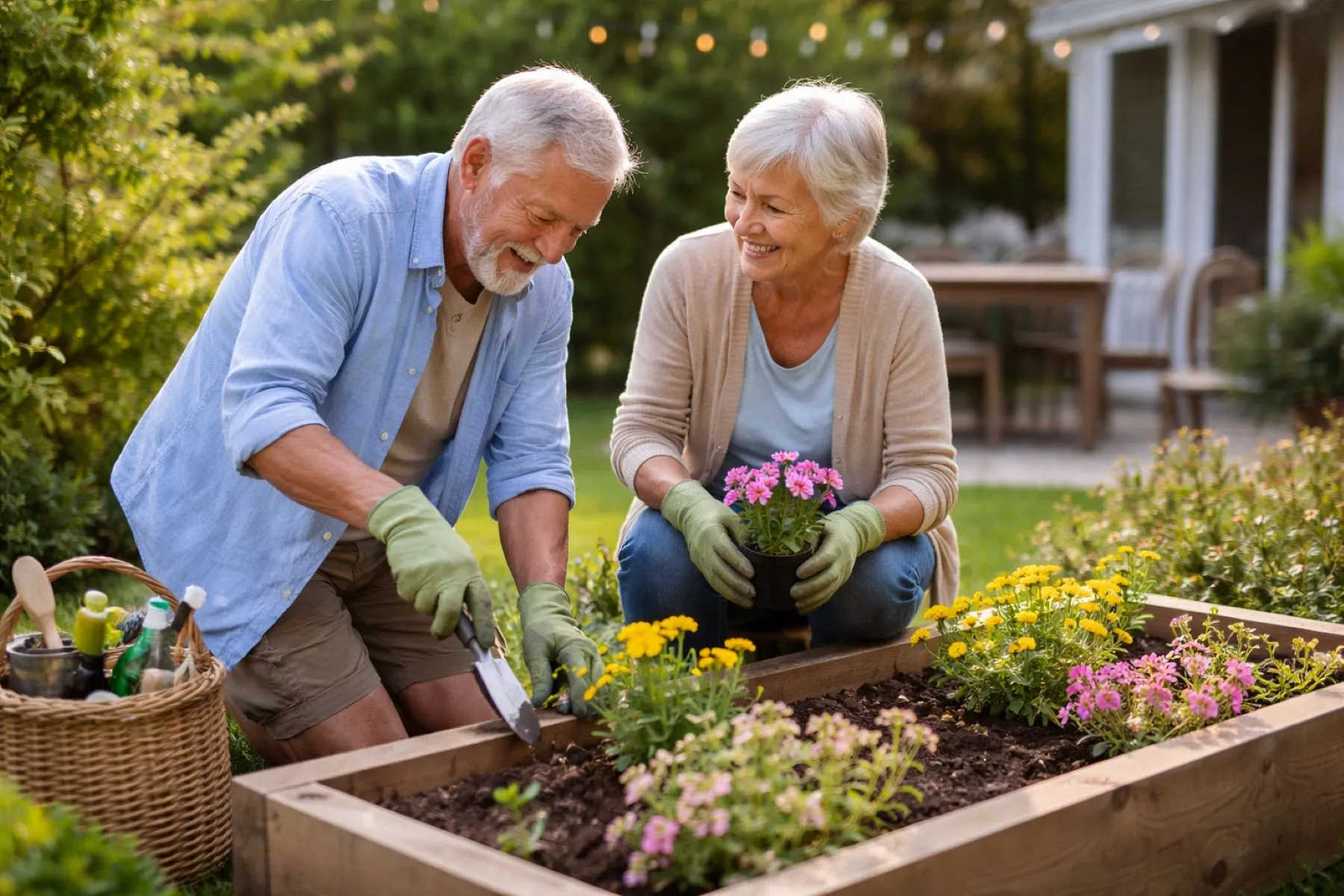
Stepping into the seventh decade of life often feels like crossing an invisible threshold. For many, the noise of mid-life ambition—the relentless pursuit of career milestones, the heavy lifting of raising a family, and the constant accumulation of “more”—finally begins to fade. But as that old noise dies down, a new question tends to echo in the quiet: What now? When we talk about life after 70, the conversation too often centers on decline or preservation. However, by shifting our focus toward elderly life priorities, we can transform aging from a biological process to be managed into a profound opportunity for a radical realignment of values.
If you are navigating this chapter, you’ve likely realized that the goals that served you at 40 or 50 no longer carry the same weight. The quest for meaning in your 70s requires a different compass. It’s about moving from a life of “doing” to a life of “being,” and from a focus on success to a focus on significance. By making intentional shifts in how you spend your energy, you can transform these years into a period of unprecedented clarity and joy.
Reclaiming Freedom through Physical Functionality
In our younger years, we often view exercise as a means to an end—burning calories or building muscle. After 70, the goal shifts toward a much more vital currency: autonomy. Prioritizing physical mobility and balance isn’t about hitting the gym for intensity; it’s about ensuring you can still reach for a book on a high shelf, walk through a park without fear, or get down on the floor to play with grandchildren.
The shift here is from “fitness” to “functionality.” When maintaining an active lifestyle becomes one of your top elderly life priorities, it changes the rhythm of your day. Simple habits like daily stretching, tai chi, or steady walking are radical acts of self-preservation. They provide the physical foundation upon which all other forms of fulfillment are built. By keeping the body limber, we keep our world large and accessible.
Depth Over Breadth in Human Connection
There is a particular kind of social exhaustion that comes with middle age—the endless networking and “obligatory” friendships. One of the most liberating shifts a senior can make is the move toward emotional essentialism. This means choosing to cultivate deep, resonant emotional connections every single day while letting the superficial ones drift away.
In your 70s, time is the most precious asset you own. Spending it on “small talk” or draining relationships is a cost many are no longer willing to pay. Instead, focus on the people who see you and love you unconditionally. When we prioritize depth, we combat the isolation that often haunts the later years, replacing it with a rich tapestry of shared history and current intimacy.
The Art of the Intentional Edit
We spend the first half of our lives gathering things, and the second half realizing those things eventually own us. For seniors over 70, simplifying the personal living environment is a radical reclamation of mental space. A home filled with the visual noise of decades past can feel heavy, tethering us to the past in a way that prevents us from living fully in the “now.”
Imagine walking through a home where every object has a purpose or a story that brings a smile. This shift toward minimalism is an act of kindness toward your future self. By reducing the physical maintenance of your life, you free up energy for creativity and rest. It’s not about getting rid of memories; it’s about curating them so they no longer bury the present.
Shifting Focus: From Success to Storytelling
Most of our lives are spent building a resume, but the 70s are for building a legacy. This doesn’t necessarily mean an inheritance; it means the intentional passing down of wisdom, values, and stories. Shifting your elderly life priorities toward legacy allows you to view your life’s struggles not as scars, but as lessons intended for the next generation.
Storytelling is a way of making sense of the chaos of a long life. Whether you are writing a memoir or mentoring a younger person, you are bridging the gap between the past and the future. This shift provides a powerful sense of purpose, reminding you that your experiences have value beyond your own timeline.
The Power of the Present Breath
We are a society addicted to the “next thing.” Even in retirement, many seniors find themselves rushing through the day or worrying about the “what ifs” of health. A radical shift toward mindfulness habits can change the entire texture of daily life. Mindfulness isn’t a complex spiritual practice; it’s simply the decision to be where your feet are.
When you prioritize the present moment, a morning cup of coffee becomes a sensory experience rather than a routine. This shift reduces the chronic stress that often accelerates aging and opens the door to “micro-joys”—those small, fleeting moments of beauty. For a senior over 70, the present is where life actually happens.
Keeping the Mind a Vibrant Playground
Cognitive health is often discussed with an air of anxiety, but it’s more helpful to view it as a pursuit of curiosity. Managing mental sharpness through constant stimulation is a priority that keeps the world interesting. The brain is remarkably plastic, even at 75 or 85, but it requires a diet of novelty.
This radical shift involves moving away from passive consumption and moving toward active engagement. Learn a new language, take up an instrument, or dive deep into a subject you never had time for. When we challenge our brains, we remain participants in the human story rather than just spectators. A sharp mind is the lens through which we experience all other joys.
Finding the Quiet Center
Finally, many seniors find that their 70s bring a natural leaning toward the spiritual or philosophical. After seven decades of striving, there is a profound beauty in surrender—not a surrender of defeat, but a surrender of trust.
Prioritizing philosophical peace means asking the big questions and being okay with not having all the answers. It involves reconciling with old regrets and finding a sense of “enough-ness.” When you are at peace with yourself, the external world loses its power to upset you. This internal stability is perhaps the greatest gift of aging.
Designing Your New Normal
Making these radical shifts isn’t something that happens overnight. It starts with a single choice—a decision to stop living by the rules of your 40-year-old self and start listening to the wisdom of your 70-year-old soul. Life after 70 shouldn’t be a slow fade; it should be a vivid, intentional crescendo.
By re-evaluating your elderly life priorities—focusing on mobility, connection, simplicity, legacy, mindfulness, cognition, and peace—you are redefining what it means to live a good life. You are proving that fulfillment isn’t reserved for the young; it is the hard-earned reward of those who have the courage to evolve.