






Entering the sixth decade of life is often described as a second act—a period where the frantic pace of early career and family building transitions into a more intentional way of living. However, navigating wellness during this time can feel overwhelming due to a constant barrage of conflicting advice and outdated myths. Truly thriving after 50 isn’t about reclaiming your twenties; it’s about understanding the unique, sophisticated needs of your body as it matures. By focusing on health tips for over 50s that are grounded in modern science rather than hearsay, you can maintain a high quality of life, energy, and independence for decades to come.
Understanding Health Tips for Over 50s in a Modern Context
When we discuss health in the context of aging, we are really talking about “healthspan”—the period of life spent in good health, free from chronic disease and disabilities. For those over 50, the biological landscape changes; metabolism shifts, bone density requires more attention, and cognitive health becomes a top priority.
Understanding these shifts isn’t about focusing on decline, but rather about specializing your self-care. It involves moving away from “one-size-fits-all” fitness and nutrition and adopting a strategy that supports the body’s changing architecture.
Redefining Physical Activity Needs
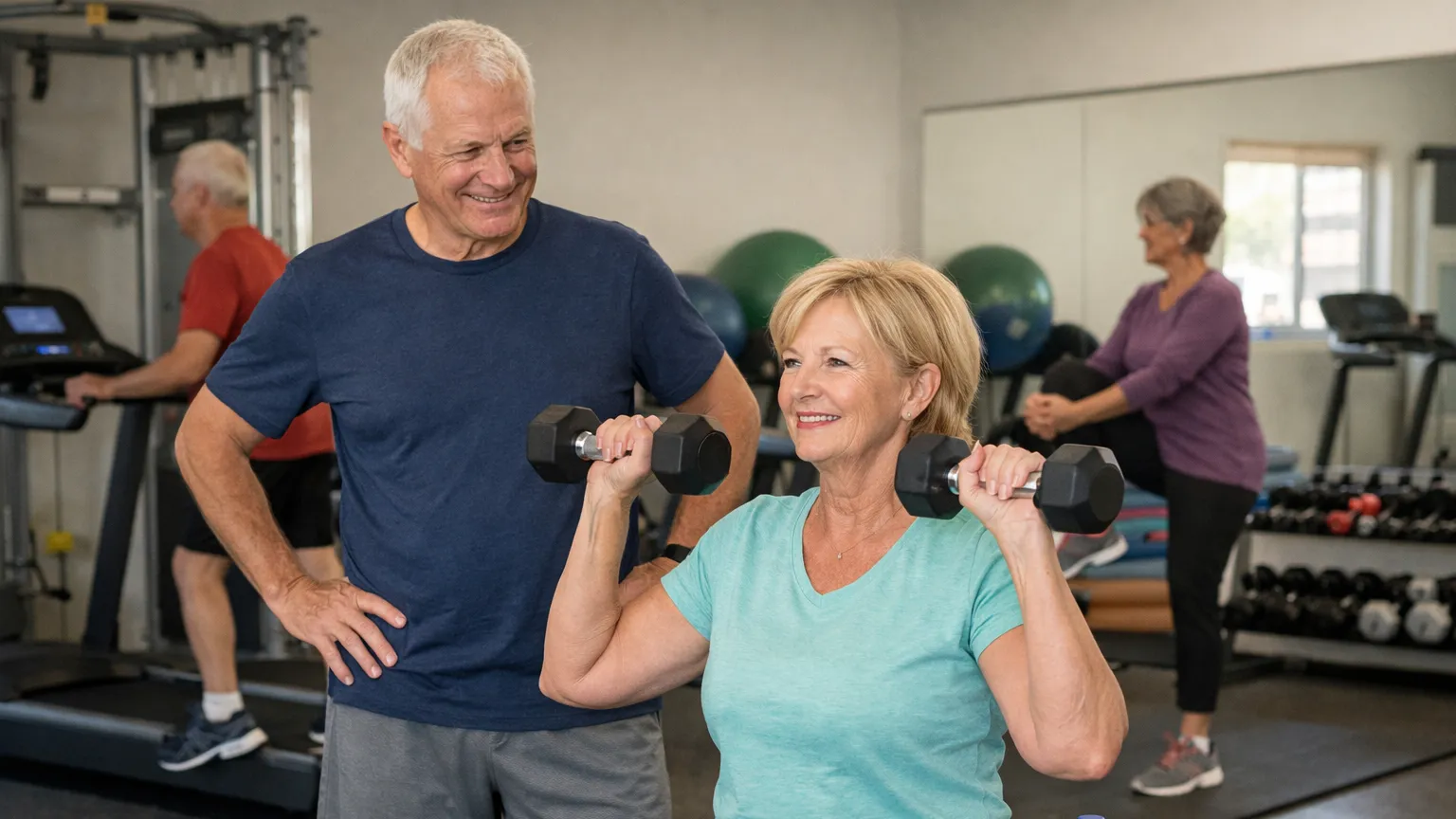
One of the most persistent myths is that aging requires us to “slow down” to avoid injury. In reality, the type of movement matters more than the intensity alone. Focusing on functional strength training is the cornerstone of longevity. This means prioritizing exercises that mimic real-life movements, such as squatting, reaching, and lifting, which protect your joints and keep you mobile.
Consistency is far more valuable than occasional bursts of high-intensity effort. Maintaining a daily movement pattern—whether it’s a brisk walk, gardening, or yoga—keeps the lymphatic system active and the heart healthy. Furthermore, prioritizing flexibility and balance exercises is essential for fall prevention, which is a critical factor in long-term independence.
Core Nutritional Requirements and Health Tips for Over 50s
As we age, our bodies actually become less efficient at processing certain nutrients, making the quality of our diet more important than ever. One of the most vital health tips for over 50s is to increase high-quality lean protein intake. Protein is the building block of muscle, and muscle mass is your greatest metabolic asset as you age.
Micronutrients also require a closer look. Many seniors find they need to monitor Vitamin B12 and Vitamin D more closely, as natural absorption can wane. Boosting fiber intake is another “must-do” for digestive health and heart safety, while reducing sodium becomes a practical necessity to manage blood pressure. Think of your plate as a colorful, nutrient-dense fuel source rather than just a collection of calories.
The Reality of Cognitive Health
The fear of cognitive decline is common, but the brain is remarkably plastic and capable of growth well into late adulthood. To keep your mind sharp, engage in continuous lifelong learning. This could mean picking up a new language, learning an instrument, or simply reading deeply about a new subject. These activities create new neural pathways, providing a “cognitive reserve.”
Beyond mental puzzles, lifestyle factors play a massive role in brain health. Prioritizing deep, restorative sleep cycles allows the brain to clear out metabolic waste. Similarly, maintaining active social connection networks has been shown in numerous studies to reduce the risk of cognitive impairment. By managing chronic stress and keeping cortisol levels in check, you protect your brain from the “wear and tear” of modern life.
Navigating Weight Management and Health Tips for Over 50s
Weight management after 50 is often misunderstood. Many people attempt the same rapid, restrictive dieting methods they used in their thirties, only to find they no longer work—or worse, they cause muscle loss. The goal now should be muscle mass preservation. Losing weight is counterproductive if a large portion of that loss is the very muscle that keeps you strong.
It is more effective to monitor visceral fat accumulation—the fat stored around the internal organs—rather than just the number on the scale. Balancing your caloric intake with a naturally slowing metabolism requires a focus on nutrient density. Small, sustainable shifts in how you eat are far more effective for long-term health than any fad diet.
Essential Preventative Screenings
Proactive maintenance is the best way to ensure a smooth journey through your senior years. Regular screenings are not about looking for problems, but about maintaining peace of mind. Scheduling regular colonoscopy examinations is a vital preventive step that has saved countless lives through early detection.
In addition to digestive health, performing annual cardiovascular stress tests can help you understand how your heart handles physical activity. Monitoring bone density through DEXA scans is equally important, especially for women, to catch signs of thinning bones early. Finally, keeping a close eye on blood glucose and A1C levels allows you to manage insulin sensitivity before it leads to more serious metabolic issues.
Metabolic Changes and Hormonal Shifts
It is a biological fact that our metabolic rate slows as we age, but this doesn’t mean weight gain is inevitable. It simply means our bodies are becoming more efficient with energy. Understanding this shift allows you to adjust your portions and activity levels accordingly. Hormonal changes, such as declining estrogen or testosterone, also play a significant role in how we feel and how our bodies store fat.
Supporting your endocrine system is key. You can regulate insulin sensitivity through a diet low in refined sugars and high in whole foods. Additionally, supporting thyroid function with adequate iodine and minerals can help maintain your energy levels. These biological adjustments are natural, and working with them rather than against them makes the transition much smoother.
Joint and Bone Health Management
Strong bones are the frame upon which your health is built. Incorporating weight-bearing resistance training daily is one of the most effective ways to signal to your body that it needs to keep those bones dense. Whether it’s lifting weights or walking with a weighted vest, that gentle pressure is a positive biological signal.
Nutrition plays a supporting role here as well. Ensuring you have adequate calcium and magnesium is fundamental for bone structure and muscle relaxation. For those already dealing with joint discomfort, practicing low-impact aquatic therapy sessions provides a way to stay active without pain. Furthermore, reducing systemic inflammatory food triggers can significantly decrease daily aches and stiffness.
Hydration and Kidney Function
As we get older, our natural “thirst signal” can become less sensitive, meaning we might be dehydrated without even realizing it. Increasing your water intake systematically throughout the day is a simple yet profound way to support kidney function and energy levels.
It is also important to monitor your electrolyte balance; simply drinking water isn’t always enough if your minerals are depleted. Limiting excessive caffeine and alcohol will help prevent unnecessary dehydration. By learning to recognize the subtle signs of thirst—like a slight headache or a dip in energy—you can stay ahead of the curve and keep your systems running smoothly.
Mental Well-being: Crucial Health Tips for Over 50s
Finally, we must address the internal landscape. Mental health is just as critical as physical health, yet it is often overlooked in traditional health tips for over 50s. Age-related anxiety and depression are real challenges that deserve attention and compassion. Practicing daily mindfulness or meditation can help ground you in the present moment and reduce the “noise” of daily worries.
There is no shame in seeking professional therapy to navigate the transitions of aging, such as retirement or the loss of loved ones. Cultivating purposeful hobbies and interests gives you a reason to get out of bed with a smile. Whether it’s volunteering, art, or mentoring others, having a sense of “Ikigai”—or purpose—is perhaps the greatest longevity secret of all.
Aging is not a process of “undoing,” but a process of becoming. By focusing on these evidence-based health tips for over 50s, you aren’t just adding years to your life; you are adding life to your years. Take one small step today—perhaps a longer walk or an extra glass of water—and build your foundation for a vibrant future.






No Response