

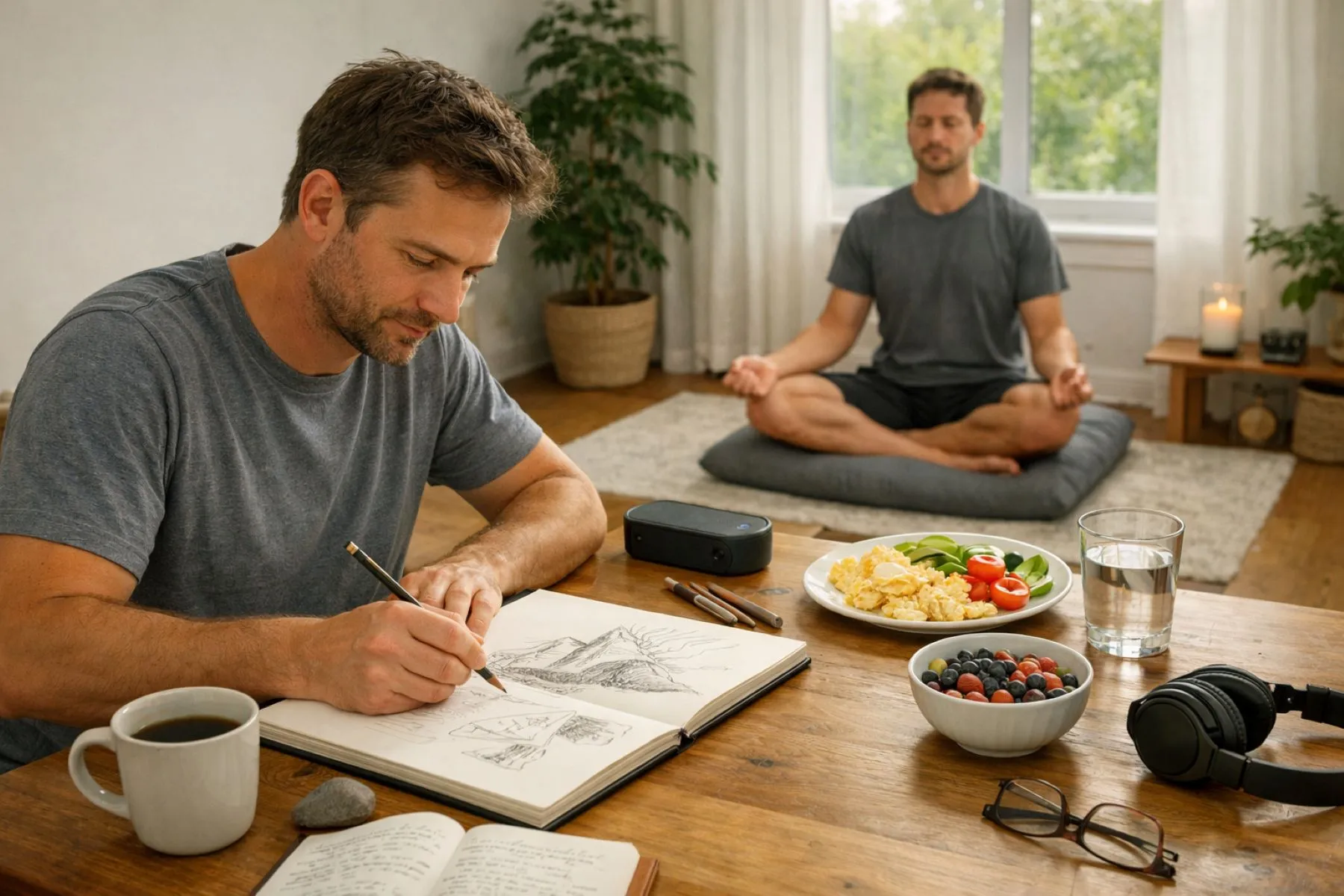
The first hour of your day acts as a rudder for the rest of your morning, steering your mental energy toward either reactive stress or proactive inspiration. For many professionals and artists, finding a consistent flow of morning creativity habits is the difference between a day spent fighting mental blocks and one characterized by effortless “flow” states. While many people focus on productivity hacks, true creativity requires a more delicate touch—a blend of neurological stimulation and psychological space.
Understanding the Essence of Morning Creativity Habits
Before we dive into the specific rituals, it is helpful to understand what we mean when we talk about morning creativity habits. At its core, these are intentional behaviors designed to transition the brain from the “theta” brainwave state—often associated with dreaming and deep relaxation—into a focused “alpha” or “beta” state without the jarring interruption of external stressors. By nurturing this transition, you allow your subconscious mind to bring forward the insights it processed during sleep, giving your creative projects a head start before the logistical demands of the workday take over.
1. Harness the Subconscious with Morning Pages
One of the most profound ways to clear the mental clutter that prevents deep work is the practice of drafting “morning pages.” This involves writing long-form, stream-of-consciousness thoughts immediately after waking up. Unlike a structured journal, there is no need for perfect grammar or even a coherent narrative; the goal is simply to move the “static” from your brain onto the paper.
When you engage in this habit, you effectively drain the reservoir of lingering anxieties and “to-do” lists that often crowd out original ideas. By the time you finish three pages of writing, you’ll likely find that your mind feels lighter and more spacious. This clarity is the perfect soil for new, creative seeds to take root, allowing you to approach your professional tasks with a fresh perspective that isn’t weighed down by the debris of yesterday’s worries.
2. Cultivate Stillness Through Mindful Meditation
Following the mental release of writing, practicing twenty minutes of mindful meditation serves to stabilize your focus. Creativity is not just about having a million ideas; it is about having the presence of mind to recognize which ideas are worth pursuing. Meditation trains the brain to remain observant rather than reactive.
During these twenty minutes, you aren’t trying to force inspiration. Instead, you are building the “attention muscle” that will help you stay seated at your desk when a project gets difficult. By returning to your breath again and again, you learn to navigate the distractions of the modern workspace with grace. This quietude provides a necessary buffer against the upcoming noise of emails and notifications, ensuring your creative spark isn’t extinguished by the first fire you have to put out.
3. Energize the Mind with Light Aerobic Activity
Movement is a powerful catalyst for cognitive function, but it doesn’t always require a grueling gym session. Engaging in light aerobic physical activity, such as a brisk walk or a gentle yoga flow, increases blood flow to the brain and releases neurotrophic factors that support brain plasticity.
Many of history’s greatest thinkers were avid walkers. There is something about the rhythm of movement that seems to loosen the gears of the mind. As your heart rate rises slightly, you may find that solutions to complex problems suddenly appear. This physical engagement acts as a bridge, moving you from the stillness of meditation into a state of active, energized readiness for the day’s challenges.
4. Fuel Long-Term Focus with a High-Protein Breakfast
The biological component of creativity is often overlooked, yet your brain is an energy-hungry organ. To maintain the stamina required for deep creative work, it is generally helpful to consume a high-protein breakfast. While a sugary pastry might provide a temporary spike in energy, it is often followed by a crash that leaves you feeling lethargic by mid-morning.
Opting for proteins—such as eggs, Greek yogurt, or plant-based alternatives—provides a steady release of amino acids and keeps blood sugar levels stable. This nutritional foundation ensures that your brain has the fuel it needs to synthesize information and maintain high-level cognitive tasks for several hours. When your body feels supported and satiated, your mind is free to wander into more imaginative territories without the distraction of hunger or fatigue.
5. Create an Auditory Sanctuary with Ambient Nature Sounds
The environment in which you work plays a significant role in how easily you can access your creative reserves. Many professionals find that listening to ambient nature sound recordings—like falling rain, distant thunder, or forest birds—helps to mask distracting household or office noises without being as demanding as music with lyrics.
These sounds tap into our evolutionary biology, often signaling a safe and predictable environment. This sense of safety allows the nervous system to relax, which is a prerequisite for creative experimentation. Nature sounds provide a gentle “white noise” that occupies the wandering part of the brain, allowing the executive part of the brain to focus entirely on the task at hand.
6. Protect Your Mental Space by Avoiding Digital Screens
Perhaps the most challenging yet rewarding of all morning creativity habits is the commitment to avoid digital screens for the first sixty minutes of the day. In our hyper-connected world, the urge to check emails or social media as soon as we open our eyes is intense. However, this immediately puts the brain into a reactive, defensive mode, where you are responding to other people’s agendas rather than your own.
By keeping the first hour screen-free, you protect the sanctity of your internal world. You allow your own thoughts to solidify before they are diluted by the opinions and demands of the outside world. This period of “digital fasting” ensures that your creative output is truly yours, born from your own reflections rather than a reaction to a trending topic or a stressful message.
7. Visualize Success Through Daily Sketching
Finally, you can anchor your creative goals by engaging in a few minutes of daily sketching or visual mapping. You don’t need to be a professional artist to benefit from this; the act of putting pen to paper to represent an idea visually engages a different part of the brain than writing does.
Visualizing your goals through sketches or diagrams helps to solidify abstract concepts and makes them feel more attainable. It turns a vague ambition into a tangible “thing” that you can see. This simple act of daily creation—no matter how small or “messy”—reaffirms your identity as a creator every single morning, building a momentum that carries you through the most demanding workdays.
Integrating these morning creativity habits is not about achieving perfection, but about creating a supportive structure for your unique talents to shine. When we treat our mornings with reverence and intentionality, we aren’t just becoming more productive; we are becoming more present and more satisfied with our work. Each of these rituals offers a way to honor your mental health while pushing the boundaries of what you can achieve professionally.