






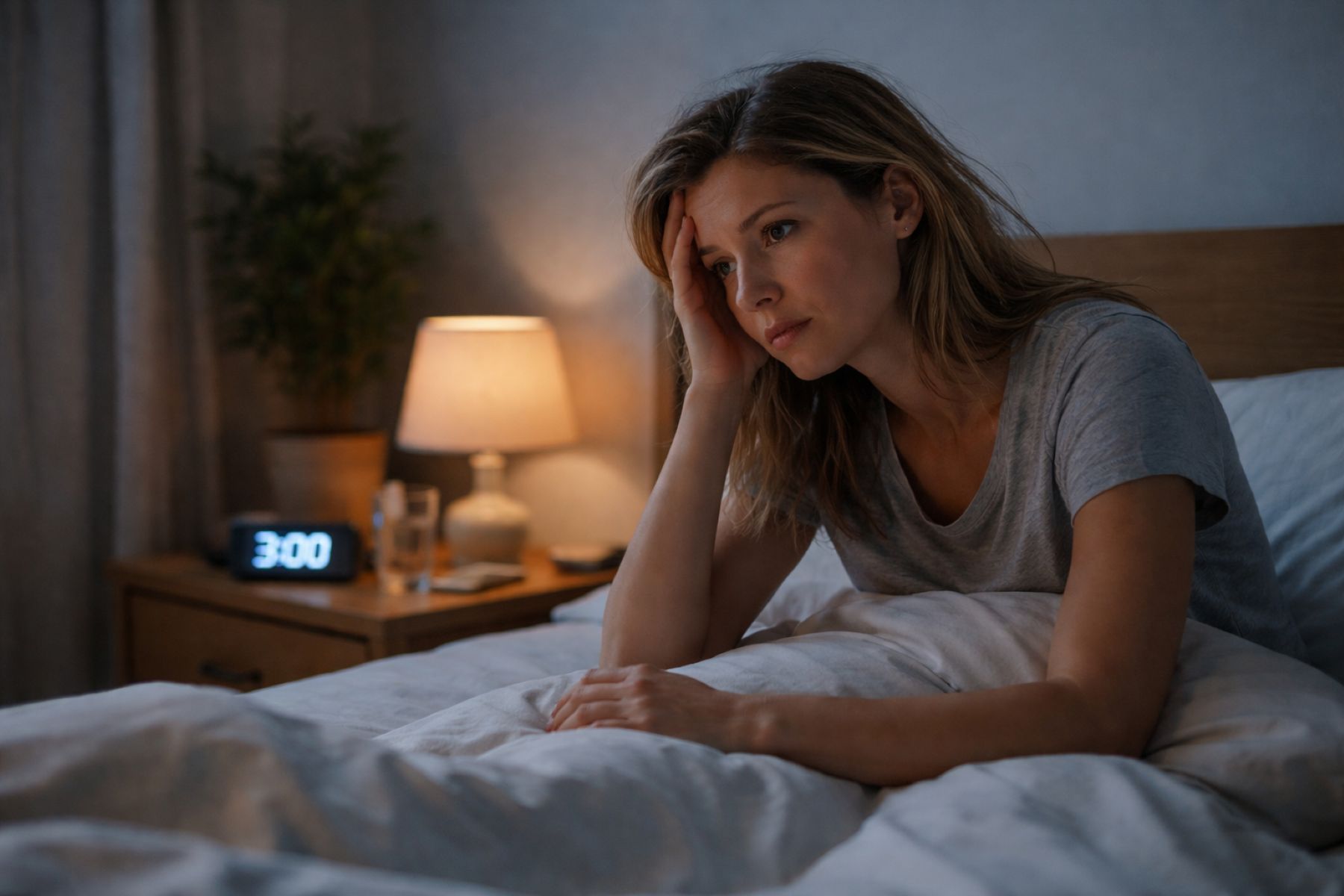
We have all been there. The clock reads 3:15 AM, the house is silent, and despite your best efforts to drift back into a dream, your mind is suddenly racing. While many of us dismiss waking up at night as a simple byproduct of a late-coffee habit or a noisy neighbor, our sleep patterns often serve as a sophisticated mirror reflecting our internal emotional landscape. When the sun goes down, our biological systems and our psychological states engage in a complex dance that can either facilitate deep restoration or trigger persistent wakefulness.
To understand why we find ourselves staring at the ceiling in the early hours, we must first look at what nighttime awakenings represent in a broader context. In professional health circles, these disruptions are often referred to as sleep maintenance insomnia. Unlike the struggle to fall asleep initially, waking up in the middle of the night and finding it difficult to return to rest often signals that the body’s “alert system” is being triggered by internal stressors. This isn’t just about being “awake”; it is about how our brain processes the day’s events while we are vulnerable.
Defining the Mechanics of Waking Up at Night
Before diving into the psychological nuances, it is helpful to define what we mean by waking up at night in a clinical yet relatable sense. Generally, it is normal to wake up briefly between sleep cycles—which last about 90 minutes. However, a significant awakening is one where you remain conscious for more than 20 minutes and feel a sense of alertness or distress. These episodes are often the body’s way of communicating that the nervous system is stuck in a state of “high arousal,” making the transition back into deep REM or slow-wave sleep nearly impossible.
Identifying Common Sleep Disruption Patterns
When we look at sleep through a professional lens, we notice that patterns matter just as much as the disruption itself. Some people experience “middle-of-the-night” insomnia, where they wake up around 2:00 or 3:00 AM, while others face “terminal” insomnia, waking up much earlier than intended and being unable to return to sleep. Recognizing these patterns is the first step in understanding the underlying narrative. If your wakefulness follows a predictable schedule, it is rarely a coincidence; rather, it is often a sign that your biological clock is reacting to a specific chemical or emotional trigger.
Recognizing Underlying Anxiety Symptoms
Anxiety is perhaps the most frequent guest at 3:00 AM. Unlike the logical worries we tackle during the day, nighttime anxiety feels more visceral and physical. You might notice a fluttering in your chest or a sense of impending dread that doesn’t have a clear source. This happens because, during the night, our “executive brain”—the part that uses logic to solve problems—is less active, leaving the emotional centers of the brain to run free. If you find yourself waking up at night with a racing heart, it is often a signal that your mind is attempting to process unresolved tension from your waking hours.
Linking Cortisol Spikes to Wakefulness
Our bodies operate on a delicate hormonal rhythm regulated by the circadian cycle. Normally, our levels of cortisol, the “stress hormone,” should be at their lowest point around midnight and gradually rise to help us wake up in the morning. However, when we are under significant pressure, this rhythm can shift. A premature spike in cortisol can act like an internal alarm clock, jolting you awake long before the sun rises. This biological “glitch” is often the physical manifestation of a mind that doesn’t feel safe enough to remain in a deep state of rest.
Evaluating Chronic Stress Impact Levels
While a single bad night is usually manageable, chronic stress changes the very architecture of our sleep. When the body remains in a state of “fight or flight” for extended periods, it prioritizes vigilance over recovery. This means that even when you are asleep, your brain remains slightly tethered to the environment, making you much more likely to experience waking up at night due to the slightest noise or change in temperature. It is a protective mechanism that, unfortunately, becomes counterproductive when the “threat” is simply a long to-do list or a difficult conversation.
Assessing Depressive Disorder Sleep Signals
The relationship between sleep and mood is a two-way street. While anxiety often makes it hard to fall asleep, depressive symptoms are frequently linked to early morning awakenings. Many people experiencing low mood find themselves awake at 4:00 AM, feeling a profound sense of heaviness or emptiness. These early awakenings are considered a “vegetative” symptom of depression, suggesting that the brain’s internal regulatory systems are struggling to maintain the steady neurochemical balance required for a full night’s rest.
Analyzing Nocturnal Panic Attack Triggers
One of the more distressing reasons for waking up at night is the experience of a nocturnal panic attack. Unlike a nightmare, which you might remember as a story, a nocturnal panic attack is a purely physical surge of adrenaline. You may wake up gasping for air or feeling a sense of intense fear without a clear “dream” to blame it on. These events are often a sign that the body has reached its limit for processing stress during the day and is “overflowing” during the night, requiring a gentle and compassionate approach to nervous system regulation.
Understanding the Mind-Body Connection
It is essential to view sleep not as a mechanical “off switch” but as a holistic process. Our physical sensations—like a tight jaw or shallow breathing—are inextricably linked to our mental state. When we experience waking up at night, it is often the body’s way of asking for attention. By acknowledging that our physical wakefulness is a message from our psyche, we can move away from frustration and toward a more curious, kind investigation of what we truly need to feel safe and settled.
Debunking Supernatural Myths About Insomnia
In many cultures, waking up during the “witching hour” is often shrouded in superstition or myth. While these stories can be culturally significant, they often add an unnecessary layer of fear to an already stressful experience. From a psychological perspective, there is no evidence that certain hours carry mystical weight. Instead, science points toward the transition between sleep stages and the natural dip in body temperature as the most likely culprits for why we wake up at specific times. Grounding ourselves in biology can help reduce the “fear of the dark” that keeps us awake.
Monitoring Repetitive Negative Thought Loops
Once we are awake, the biggest challenge is often the “rumination trap.” This involves the repetitive cycling of negative thoughts—replaying a mistake from work or worrying about a future event. Because the world is quiet and dark, these thoughts seem much larger and more “true” than they would at noon. Learning to recognize these loops for what they are—symptoms of a tired brain rather than objective reality—is a powerful tool in breaking the cycle of waking up at night.
Identifying Emotional Exhaustion Physical Cues
Sometimes, we aren’t just tired; we are emotionally depleted. Emotional exhaustion can manifest as a specific type of sleep disruption where the body is physically exhausted, but the mind feels “wired.” You might find that even if you are incredibly sleepy, your brain refuses to shut down. Identifying these cues, such as feeling “heavy” but restless, can help you realize that you might need more than just “more sleep”—you might need better emotional boundaries and more meaningful periods of rest during the day.
Measuring Psychological Resilience Through Rest
Interestingly, our ability to navigate waking up at night without spiraling into frustration is a sign of psychological resilience. Those who can stay calm, accept the wakefulness, and practice gentle breathing exercises often find that their sleep quality improves over time. Resilience isn’t about never waking up; it’s about how you treat yourself when you do. Viewing these moments as an opportunity for self-care rather than a failure can fundamentally change your relationship with the night.
Addressing Trauma-Related Sleep Disturbances
For individuals who have experienced trauma, the night can feel like a vulnerable time. Hypervigilance—the state of being constantly on guard—doesn’t always turn off when we close our eyes. Trauma-related disruptions often involve vivid dreams or a “startle response” upon waking. Addressing these issues usually requires more than just sleep hygiene; it involves creating a sense of deep internal and environmental safety, often with the support of a professional who understands the nuances of the nervous system.
Improving Cognitive Function Via Sleep
The primary reason we strive to minimize waking up at night is for the cognitive benefits. During deep sleep, the brain performs a “glymphatic wash,” essentially cleaning out metabolic waste. When sleep is fragmented, we may feel “foggy,” irritable, and less able to solve problems the next day. By improving our sleep continuity, we aren’t just getting more hours of rest; we are giving our brain the essential time it needs to repair, reorganize, and prepare for the challenges of a new day.
Establishing Healthy Evening Mental Boundaries
To protect your sleep, it is vital to create a “buffer zone” between your busy day and your rest. This means setting mental boundaries—deciding that after a certain hour, you will no longer engage with stressful emails or heavy topics. Think of it as a gradual “powering down” process. By signaling to your brain that the day’s work is done and that you are safe, you significantly reduce the likelihood of waking up at night and improve your chances of waking up feeling truly refreshed.
In the end, waking up at night is not an enemy to be conquered, but a signal to be understood. It is a deeply human experience that invites us to look inward and ask ourselves what we might be carrying that needs to be set down. By approaching our sleep with curiosity and empathy, we can transform the quiet hours of the night from a time of distress into a space for healing and reflection. Remember, a single night of disrupted sleep does not define your health, but listening to what those disruptions are trying to tell you can lead to a more balanced, resilient, and peaceful life.






No Response