

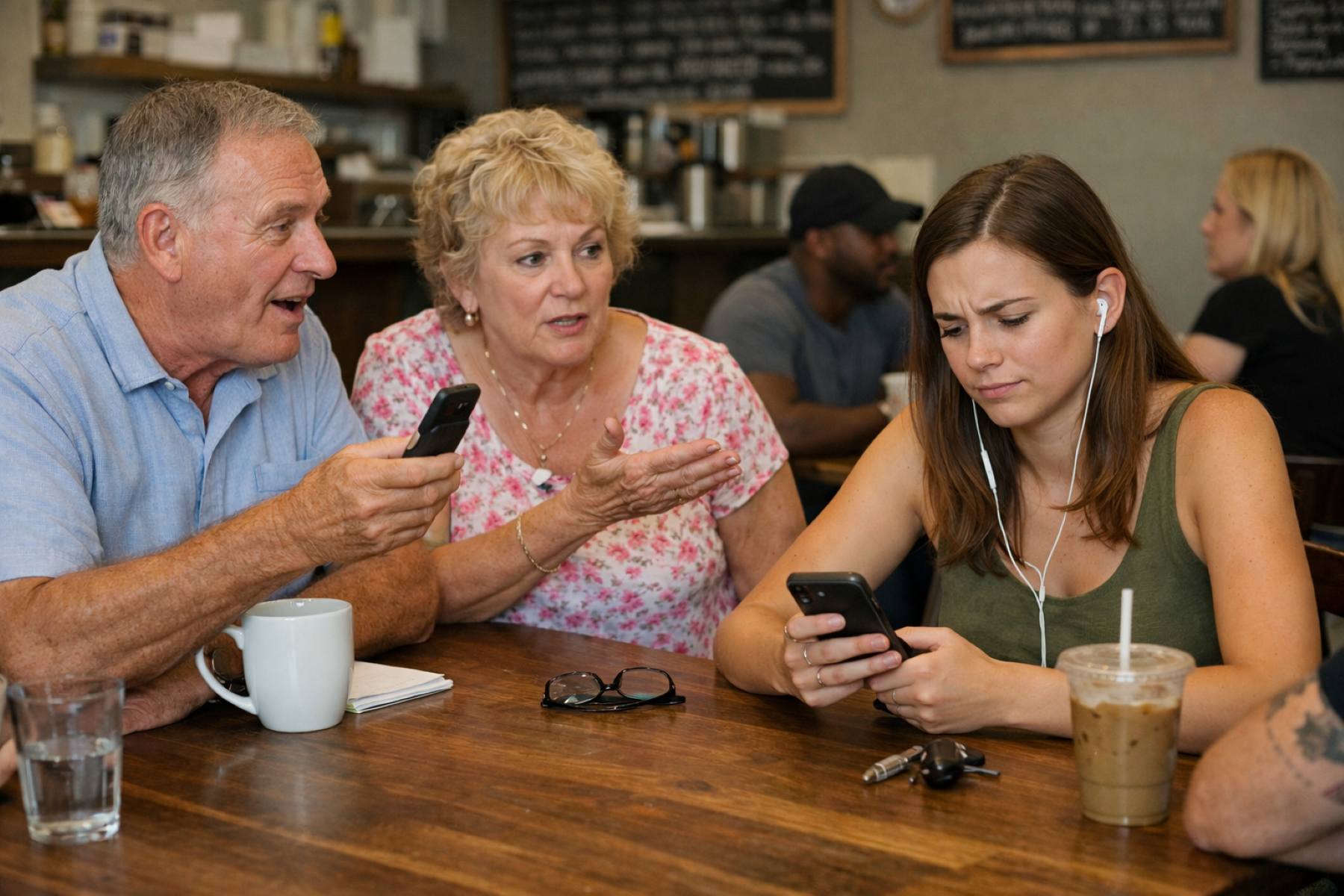
Social norms are rarely static; they evolve alongside technology, economic shifts, and cultural sensitivities. Today, we are witnessing a fascinating shift in how different age groups perceive “politeness.” What one generation views as helpful guidance, another might see as an overstep. This phenomenon, often referred to as Generational Etiquette Gaps, describes the friction that occurs when the social “rulebook” of the Baby Boomer era meets the digital-first, boundary-conscious expectations of Millennials and Gen Z.
Understanding Generational Etiquette Gaps
At its core, the term Generational Etiquette Gaps refers to the differences in social expectations, communication styles, and boundary-setting between distinct age cohorts. These gaps aren’t usually born out of malice. Rather, they stem from being raised in different socio-economic environments. While Baby Boomers were often taught that directness and hierarchical respect were the pillars of society, younger generations tend to prioritize emotional intelligence, digital consent, and individual autonomy. When these two worlds collide, well-intentioned gestures can unfortunately be perceived as intrusive or even disrespectful.
The Friction of Unsolicited Advice and Digital Privacy
One of the most common friction points involves unsolicited lifestyle and career advice. For many older adults, sharing “pearls of wisdom” is a sign of care and mentorship. However, in a rapidly changing modern economy where the cost of living and job markets look nothing like they did forty years ago, this advice can feel patronizing. Younger people often feel that their unique challenges are being dismissed by those who haven’t navigated the current landscape.
This sense of intrusion often extends into the digital realm. Neglecting personal digital privacy boundaries is a major point of contention. Whether it is tagging someone in an unflattering photo without asking or sharing private family news on a public social media wall, these actions can feel like a violation of the carefully curated digital personas that younger generations maintain. To a Boomer, it’s just a “post,” but to a younger person, it’s a breach of social trust.
Communication Styles and the Telephone Dilemma
The way we use our devices has perhaps created the widest gap in etiquette. Many members of the older generation still value the “direct line” and expect immediate telephonic availability. To them, a phone call is a sign of urgency and connection. Conversely, younger generations often view an unscheduled phone call as an intrusion or even an anxiety-inducing event. They prefer the “text-first” etiquette, which allows the recipient to respond when they have the mental bandwidth, honoring their time and current focus.
Mental Health and Social Formality
The conversation surrounding mental health has shifted significantly. Younger generations are generally more open about their struggles, viewing vulnerability as a strength. When these discussions are met with criticism or labeled as “oversharing,” it creates a deep emotional rift. Dismissing these sensitive topics as mere complaints ignores the progress made in psychological awareness and can make younger individuals feel unsupported in their pursuit of well-being.
Furthermore, the tendency to formalize casual social environments unnecessarily can feel stifling to younger cohorts. While Boomers might find comfort in strict dress codes or rigid table manners, Millennials and Gen Z often find that these “rules” create a barrier to genuine connection. They tend to value authenticity and comfort over the performance of formality, leading to a clash in expectations at family gatherings or workplace events.
Sensitivity to Language and Personal Space
Language evolves, and using outdated or offensive terminology—even if done without “harmful intent”—is a frequent source of disrespect. Younger generations are highly attuned to the impact of language on marginalized groups. When older adults resist updating their vocabulary, it is often seen as a lack of empathy or a refusal to acknowledge modern social progress.
Similarly, disregarding modern personal space norms can cause significant discomfort. The “social hug” or a pat on the back, once considered standard friendly behavior, is now often viewed through the lens of physical autonomy. Younger people tend to prefer asking for consent before physical contact, a shift that can feel “cold” to older generations but is deeply rooted in respect for personal boundaries.
Commentary on Bodies and Life Choices
Commenting on physical weight changes is a habit that many younger people find particularly egregious. In an era of body positivity and an awareness of eating disorders, a “compliment” about someone losing weight can be just as triggering as a critique of weight gain. Younger generations generally believe that a person’s body is not a topic for public commentary, regardless of the relationship.
This extends to questioning diverse family planning choices. In the past, asking “When are you having kids?” was standard small talk. Today, with increasing rates of infertility, economic instability, and a rise in child-free lifestyles, such questions are seen as deeply intrusive and insensitive. Respecting the privacy of a person’s domestic life is now a cornerstone of modern etiquette.
Economic Realities and Workplace Hierarchy
Perhaps the most heated debates occur around financial struggles. Dismissing younger financial economic struggles with anecdotes about “working through college” can feel incredibly invalidating. When the math of housing costs and tuition no longer aligns with the realities of the 1970s, these comparisons feel less like advice and more like a lack of empathy for the systemic hurdles younger people face.
This tension follows them into the office. The traditional demand for hierarchical workplace respect—where respect is given based on title rather than merit or mutual humanity—is fading. Modern employees value collaborative environments where every voice is heard. When older leaders demand “unearned” respect based solely on tenure, it can alienate a talented younger workforce that thrives on inclusivity and transparency.
Environmental Consciousness as a Social Norm
Finally, ignoring environmental sustainability lifestyle changes has become a subtle but significant etiquette gap. For many younger people, sustainability isn’t just a hobby; it’s an ethical imperative. Dismissing the importance of recycling, plant-based diets, or reducing plastic use can be seen as a disregard for the future of the planet. What an older generation might see as an “inconvenience,” the younger generation sees as a necessary social responsibility.
Navigating Generational Etiquette Gaps isn’t about declaring one side “right” and the other “wrong.” It is about a mutual willingness to listen and adapt. While it is helpful for younger generations to recognize the well-meaning intent behind some traditional habits, it is equally important for older generations to acknowledge that the world has changed.
True etiquette is, and always has been, about making the people around you feel comfortable and respected. By practicing empathy and staying curious about each other’s perspectives, we can bridge these gaps and foster deeper, more meaningful connections across all ages.