






We often think of our digital footprint as a series of deliberate strides—a “like” here, a “follow” there, or a specific search query entered into a glass screen. However, the modern internet doesn’t just watch where we walk; it feels the weight of our every step. Behind the scenes, sophisticated algorithms are no longer just looking at your explicit clicks. They are analyzing digital micro-behavior, the tiny, almost subconscious actions you take while navigating an app or website.
What Exactly Is a Digital Micro-Behavior?
A digital micro-behavior refers to the granular, passive interactions a user has with digital content that fall short of a traditional “conversion” or “engagement” metric. While a “Like” is a loud statement of intent, a micro-behavior is a whisper. It includes the milliseconds you spend lingering on a photo or the way your thumb hesitates before scrolling past a headline. For platforms like TikTok, Instagram, and YouTube, these tiny signals are often more honest indicators of your true interests than the buttons you choose to click.
1. The Power of Hovering Over Specific Image Thumbnails
When you are browsing a gallery or a news feed, your cursor or your focus often rests on an image for a split second before you decide whether to click. This act of hovering is a primary digital micro-behavior that signals curiosity. Even if you never actually open the article or the product page, the platform notes that the visual caught your eye.
This data point helps algorithms understand your aesthetic preferences. If you consistently hover over minimalist interior design photos but only click on tech news, the system learns that while you read about gadgets, you are visually inspired by architecture. Over time, your feed will begin to reflect these “unclicked” interests.
2. Why Re-watching Short Video Clip Segments Matters
In the era of short-form video, the “loop” is king. However, it isn’t just about watching a video twice; it’s about which specific part you re-watched. If you skip to the middle of a cooking video three times to see the final plating, or rewind a comedy sketch to hear a specific punchline again, you are providing high-intensity feedback.
This specific digital micro-behavior tells the algorithm exactly which “hook” or “value proposition” resonated with you. By analyzing these segments, platforms can refine their recommendations to show you content that contains similar emotional peaks or visual cues.
3. The Significance of Pausing During High-Speed Feed Scrolling
We have all experienced the “infinite scroll,” where our thumbs move almost autonomously. But every so often, we stop. This sudden pause—even if it only lasts for two or three seconds—is a vital digital micro-behavior. It represents a break in a habitual pattern, suggesting that something in the stream of data was potent enough to disrupt your flow.
Algorithms measure the velocity of your scroll and the duration of your “stop-and-stare” moments. If you consistently slow down when passing by financial advice or fitness transformations, the system categorizes those topics as “high-stop” content for you.
4. Expanding Collapsed Comment Section Threads
Engagement is often measured by whether you write a comment, but the act of reading them is just as telling. When you click “View more replies” or expand a collapsed thread, you are exhibiting a digital micro-behavior that signals deep social interest or a desire for context. This suggests that the topic isn’t just interesting at a surface level; it has provoked a need for community perspective.
By tracking which types of discussions you choose to unroll, platforms can determine your stance on certain topics. Someone who expands technical debates on a software forum is treated differently than someone who expands humorous banter on a celebrity post.
5. The Intent Behind Checking Profile Pages After Viewing
Sometimes, a single piece of content isn’t enough. You might find a video or a post so intriguing that you click through to the creator’s profile page, browse their bio, and look at their past work—all without hitting the “Follow” button. This is a powerful digital micro-behavior that indicates a high level of “brand” or “creator” affinity.
From an algorithmic standpoint, a profile visit is a strong signal that the content wasn’t just a lucky hit; it was a gateway. Even if you decide not to follow them today, the algorithm will likely prioritize that creator’s next post in your feed, knowing that you’ve already displayed a “deep dive” interest.
6. Sharing Links via Private Messages and DMs
Public sharing is becoming less common as users move toward “dark social”—sharing content via private Direct Messages (DMs). While the public can’t see this, the platform certainly can. The act of copying a link or hitting the “Send” icon to a friend is a significant digital micro-behavior in terms of “true” value.
When you share something privately, you are essentially saying that the content is high-quality enough to represent you in a one-on-one conversation. Algorithms treat these private shares as “super-likes,” suggesting the content is highly relevant to your inner social circle.
7. Capturing Screenshots of Visual Content
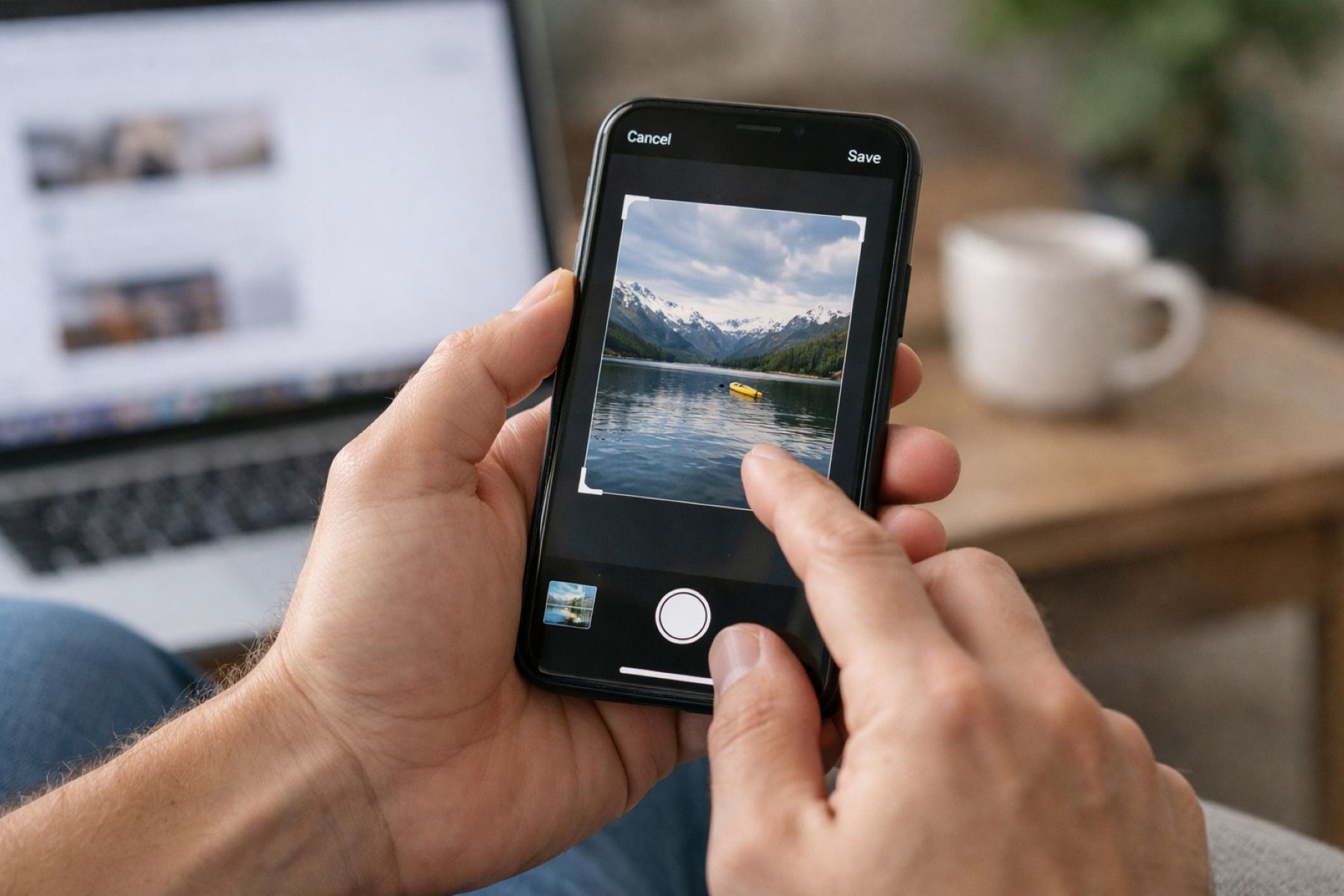
Finally, one of the most personal types of digital micro-behavior is the screenshot. When you take a screenshot, you are moving a piece of the digital world into your private, offline storage. Whether it’s a recipe, a fashion look, or an inspirational quote, a screenshot is a definitive marker of utility or deep resonance.
Many apps can detect when a screenshot is taken and use that data to weight your interest in that specific category of content. It is a signal of “save for later” intent that carries more weight than a standard bookmark.
Understanding these digital micro-behavior patterns allows us to see our online experience through a new lens. Our feeds are not random; they are a mirror of our most subtle inclinations. Every hover, pause, and private share is a piece of a puzzle that the internet is constantly solving to make your experience feel more personal and engaging.
By being mindful of these habits, we can become more intentional about how we interact with technology. The next time you find yourself pausing over a specific post, remember that you are effectively “teaching” your digital environment how to treat you.






No Response