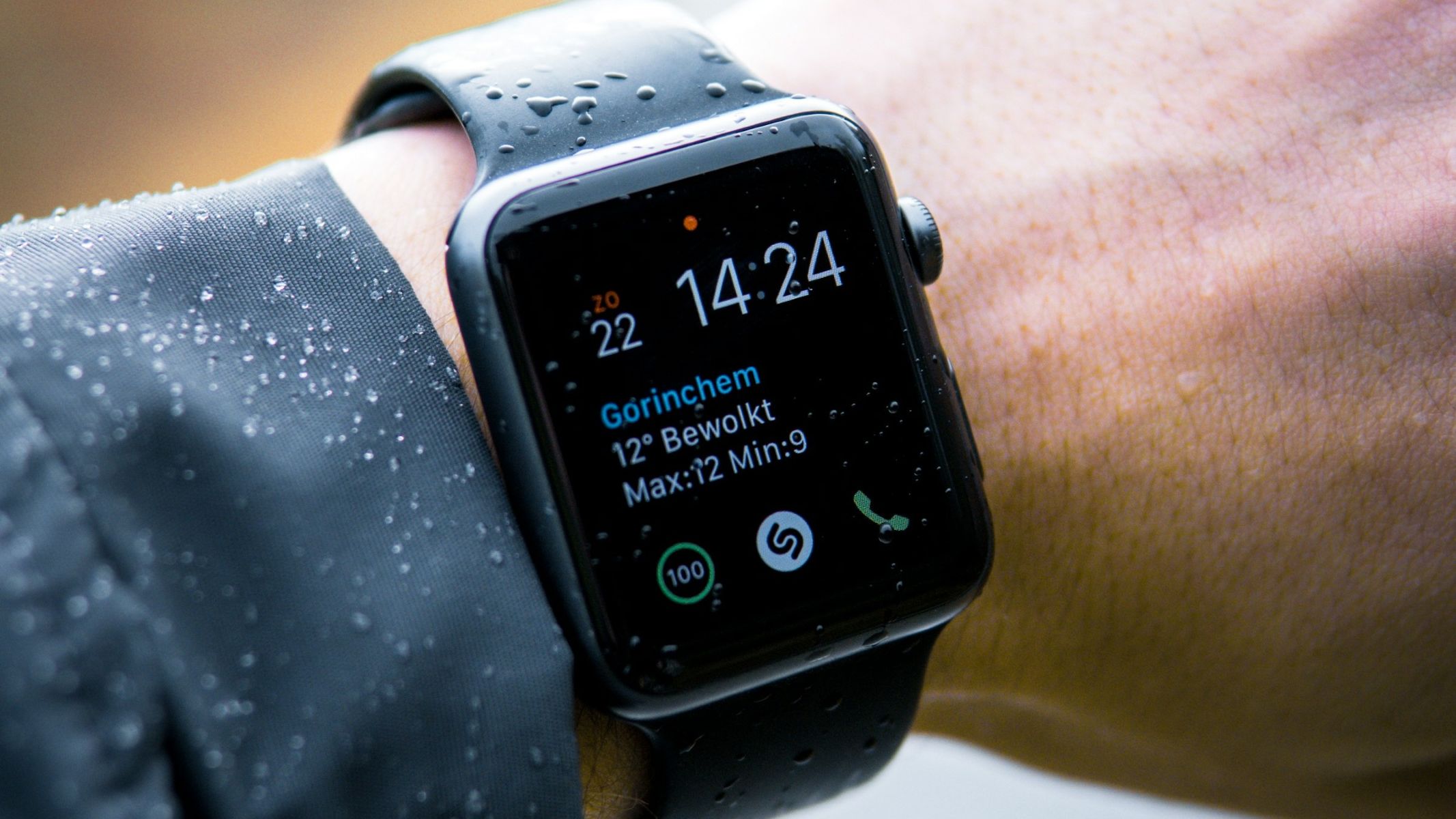
The way we interact with technology has shifted from heavy desktop computers to slim smartphones, and now, to the very pulse of our wrists. Over the last decade, the smartwatch has transitioned from a niche gadget for tech enthusiasts into a mainstream staple of modern life. It’s no longer just a digital timepiece; it is a sophisticated, wearable hub that bridges the gap between our digital presence and our physical well-being. By blending the classic appeal of a wristwatch with the immense power of mobile computing, the smartwatch offers a level of convenience that was once the stuff of science fiction.
Defining the Modern Smartwatch
At its core, a smartwatch is a wearable computing device featuring a touchscreen interface designed to be worn on the wrist. While its primary form factor mimics a traditional watch, its internal architecture is much closer to that of a smartphone. These devices serve as a seamless extension of your mobile phone, syncing via Bluetooth or Wi-Fi to deliver a continuous stream of information.
Whether it’s alerting you to an incoming call during a meeting or tracking your heart rate during a morning jog, the smartwatch acts as a personal assistant that never leaves your side. Some advanced models even feature independent LTE connectivity, allowing them to function entirely on their own—meaning you can leave your phone at home while you go for a run and still stay connected to the world.
Versatile Functionality and Daily Use
The true magic of a smartwatch lies in its versatility. Beyond the simple act of telling time, these devices are designed to streamline your digital life. One of the most immediate benefits is the notification system. Instead of constantly reaching for your pocket or digging through a bag every time your phone pings, a quick glance at your wrist tells you if that email is urgent or if a social media update can wait. This subtle shift significantly reduces “screen time fatigue” and allows for a more present, engaged lifestyle.
Health and fitness monitoring have become perhaps the most significant drivers of smartwatch adoption. Modern sensors can track everything from your daily step count and calories burned to more complex metrics like blood oxygen levels and sleep architecture. By providing real-time feedback on your physical state, these devices encourage a more active lifestyle, turning the abstract goal of “getting fit” into a series of manageable, data-driven milestones.
Seamless Connectivity and Hardware Excellence
To support these diverse functions, smartwatches are packed with impressive hardware. Most utilize vibrant OLED or LCD touchscreens that remain legible even under direct sunlight. Inside, a suite of sensors—including accelerometers, gyroscopes, and optical heart rate monitors—work tirelessly to collect data.
Connectivity is the backbone of the experience. By pairing with an iOS or Android device, the smartwatch becomes a remote control for your life. You can skip tracks on your playlist, ask a voice assistant for the weather forecast, or even use contactless payment systems to buy a coffee with a flick of your wrist. This integration creates a cohesive ecosystem where your devices work in harmony rather than in isolation.
Understanding the Differences: Smartwatch vs. Other Devices
It is easy to confuse smartwatches with other portable tech, but they occupy a unique middle ground. When compared to smartphones, smartwatches are naturally more limited by their screen size, yet they offer superior accessibility. You wouldn’t write a long essay on a watch, but for quick replies or navigation prompts, the watch is infinitely more efficient.
The distinction between a smartwatch and a fitness tracker has blurred recently, but it remains significant. Fitness trackers are often slimmer and more focused on biometric data with limited app support. A smartwatch, conversely, offers a robust app ecosystem, allowing you to check news, manage calendars, and interact with third-party software in a way that basic trackers cannot.
Finally, the comparison to traditional horology is a matter of philosophy. A traditional mechanical watch is a feat of timeless engineering that can last generations without a battery. A smartwatch is a high-performance tool that requires regular charging—daily or weekly depending on the model—but offers a level of utility that a mechanical movement simply cannot match.
Popular Models and Real-World Use Cases
The market today is diverse, offering something for every lifestyle. The Apple Watch remains a leader for its deep integration with the Apple ecosystem and its advanced health features, such as ECG readings. On the Android side, the Samsung Galaxy Watch provides a refined experience with a focus on holistic wellness and sleek design. For those who prioritize endurance and athletic metrics, brands like Garmin and Fitbit offer specialized tools that cater to marathon runners and outdoor adventurers alike.
In daily practice, these devices find their way into countless scenarios. A commuter might use GPS haptics—small vibrations on the wrist—to navigate a new city without looking at a map. A busy parent might use voice commands to set reminders while their hands are full. Even in the realm of safety, features like fall detection and emergency SOS calls have proven to be literal lifesavers, providing peace of mind for users and their families.
A Reflective Look at the Future of Wearables
As we look forward, the smartwatch continues to evolve from a “luxury want” to a “practical need.” It represents a shift toward more intentional technology use—one where our devices serve us by providing the right information at the right time, without demanding our total attention. By helping us monitor our health, stay connected to loved ones, and navigate our world more efficiently, the smartwatch has earned its place as a truly valuable companion. Whether you are a fitness enthusiast or a professional looking to optimize your workflow, the intelligence on your wrist is a powerful tool for a modern, balanced life.