For years, the back of a computer or the side of a smartphone was a chaotic landscape of mismatched ports. We had different cables for charging, separate ones for transferring photos, and bulky connectors for hooking up to a monitor. Most of us remember the frustration of trying to plug in a USB cable, only to find it was upside down—not once, but often twice. Fortunately, those days are fading into the past thanks to a slim, elegant solution that has become the modern gold standard: USB-C.
Whether you are unboxing a brand-new iPhone 16, setting up a high-end workstation, or simply looking for a faster way to charge your laptop, USB-C is likely at the center of your experience. It is more than just a new shape; it represents a unified vision for how our electronic lives should work. By consolidating power, data, and video into a single interface, it has simplified our tech bags and revolutionized how we interact with our favorite gadgets.
Defining USB-C: More Than Just a Connector
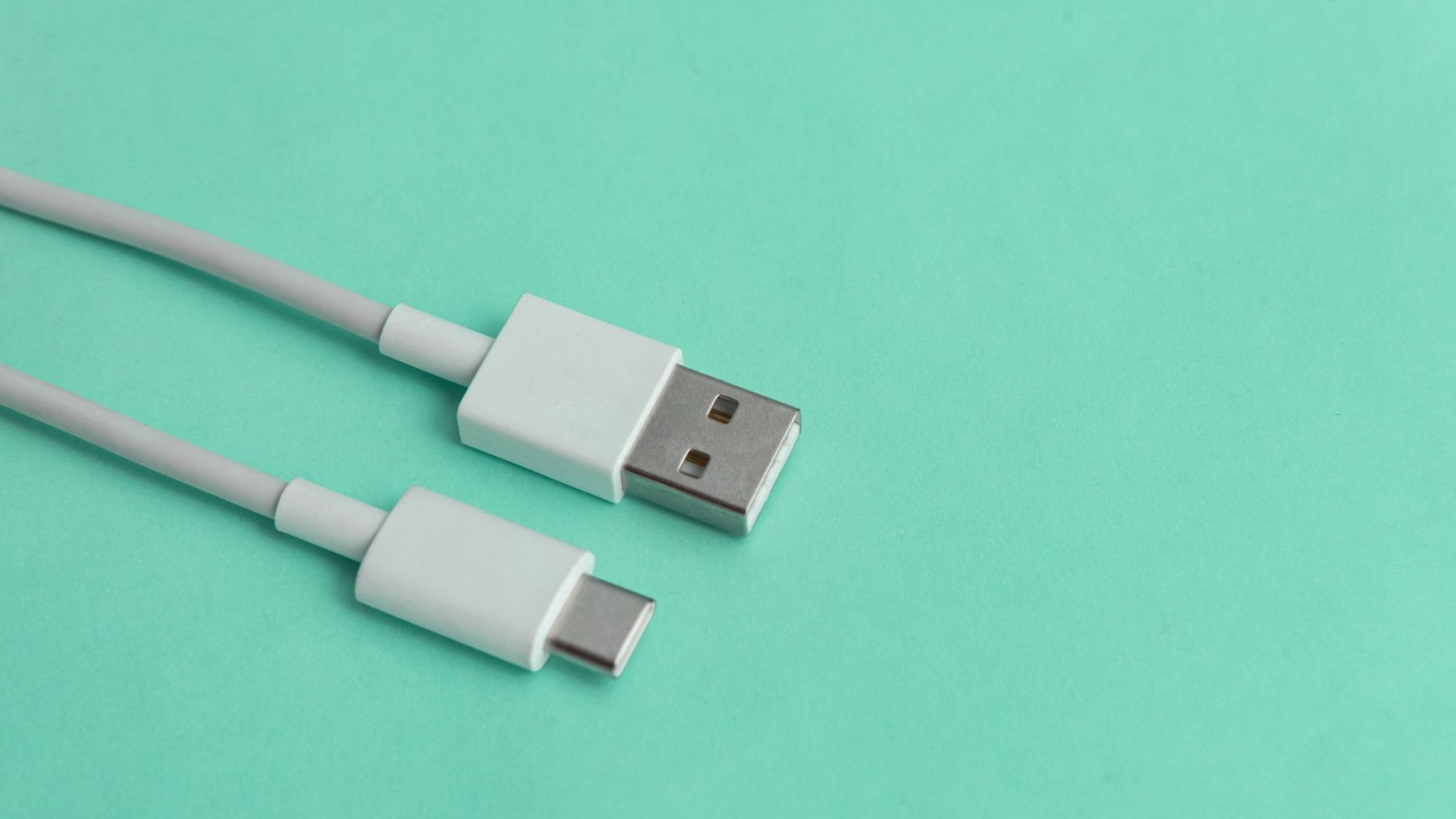
To understand the impact of this technology, we must first define what it actually is. USB-C, officially known as USB Type-C, is a 24-pin, reversible connector system. Unlike its predecessors, which required a specific orientation, the USB-C plug is symmetrical. This means there is no “right side up,” allowing you to plug it in successfully on the first try, every time.
It is important to clarify that USB-C refers specifically to the physical shape of the plug and the port. It serves as a universal vessel that can carry various types of “cargo,” such as electricity for charging or digital signals for high-definition video. Because it is designed to be slim and compact, it fits perfectly into everything from the thinnest ultra-book to the most powerful modern smartphones, effectively superseding the aging USB-A and Micro-USB standards.
The Genius of Reversible Design
The most immediate benefit of USB-C is its reversible design. While this might seem like a minor convenience, it represents a significant leap in user-centric engineering. Traditional USB ports were notorious for being difficult to navigate, especially in low-light conditions or when reaching behind a desktop computer. By making the plug identical on both ends and eliminating the up-or-down orientation, USB-C removes a common daily friction point.
This symmetry also contributes to the longevity of our devices. Because users no longer have to “force” a connection or wiggle the cable to find the right fit, there is far less physical wear and tear on the internal pins of the port. It is a thoughtful design choice that prioritizes the human experience, making technology feel a little more intuitive and a lot less frustrating.
Universal Compatibility and Versatility
One of the most inspiring aspects of USB-C is its role as a universal bridge. In the past, owning multiple devices meant managing a “tangled nest” of proprietary cables. You might have needed one cable for your camera, another for your tablet, and a bulky power brick for your laptop. USB-C aims to end this clutter by acting as a single, versatile port capable of handling almost any task.
Whether you are connecting a mouse, an external hard drive, or a high-resolution monitor, the same USB-C port can often do it all. This versatility is particularly helpful for professionals who travel frequently; instead of carrying five different chargers, a single high-quality USB-C cable and wall adapter can often power an entire ecosystem of devices. It is a step toward a more sustainable and organized digital lifestyle.
High Power Delivery: Charging Reimagined
Beyond its physical convenience, USB-C is a powerhouse when it comes to energy. Through a technology known as USB Power Delivery (USB-PD), these cables can carry significantly higher levels of power than older versions. While a standard USB port of the past might have struggled to charge a phone quickly, modern USB-C connections can deliver up to 240W of power.
This high capacity is what allows a single cable to charge large devices like high-end gaming laptops or professional workstations. It also enables “fast charging” for smartphones, allowing users to go from a low battery to a significant charge in just a few minutes. This efficiency ensures that our devices spend less time tethered to a wall and more time in our hands, helping us stay connected to what matters most.
Blazing Fast Data and Video Transfer
The “speed” of USB-C isn’t limited to charging; it also applies to how quickly we move information. For those who work with large video files or high-resolution photography, the speed of data transfer is critical. With the advent of USB4, these ports can support speeds of up to 40Gbps. This means a full-length high-definition movie can be transferred in just seconds.
Furthermore, USB-C is intelligent enough to handle video signals. By using “Alt Modes” like DisplayPort or Thunderbolt, a single cable can send 4K or even 8K video to an external monitor while simultaneously charging the laptop and connecting to a keyboard. This “one-cable setup” has transformed modern offices into clean, minimalist spaces where productivity can truly thrive.
Understanding the Difference: USB-C vs. USB Versions
A common point of confusion for many users is the distinction between the connector and the protocol. It is helpful to remember that USB-C is simply the shape of the “door,” while terms like USB 3.2 or USB4 describe the “speed of the hallway” behind it. Not every USB-C port is created equal; some are designed primarily for charging, while others support the full suite of Thunderbolt features.
When shopping for cables or devices, it is generally a good idea to check the manufacturer’s specifications. Some ports might look identical but offer different data speeds or video capabilities. Understanding this nuance helps you make informed choices, ensuring that the cable you buy is capable of meeting your specific needs, whether that’s high-speed gaming or simple phone charging.
Common Uses in Our Daily Lives
Today, USB-C is virtually everywhere. It is the standard for the latest Android devices and has been fully embraced by the iPhone 15 and 16 series, finally bringing the major smartphone platforms under one cable standard. It is also the primary connection point for modern MacBooks and Windows laptops, facilitating easy connections to docking stations that turn a portable computer into a full desktop experience.
From connecting high-speed external SSDs for backups to powering the latest wireless headphones, USB-C has become the heartbeat of modern connectivity. Its adoption across the industry reflects a rare moment of technological harmony, where different manufacturers agree on a standard that ultimately benefits the consumer.
The transition to USB-C represents a thoughtful shift toward simplicity and efficiency in the tech world. By combining power, data, and video into a single, reversible interface, we have moved away from the confusion of the past and toward a future where our devices work together more seamlessly. It is a testament to how good design can make our lives feel a little more effortless.
As we continue to integrate technology into every corner of our lives, having a reliable and universal way to stay connected is invaluable. USB-C isn’t just a port; it’s a promise of a more streamlined, powerful, and user-friendly world.